In the Oil & Gas sector, where every stage of the production process presents complex and potentially critical operating conditions, safety cannot be relied solely on the quality of equipment or emergency procedures. The ability to promptly identify the presence of hazardous gases is a key element in protecting people, infrastructure, and the environment.
From offshore platforms to refining plants, from storage terminals to processing units, gas detection plays a strategic role in preventing fires, explosions, and toxic exposures, helping to ensure production continuity and compliance with international safety standards.
An effective gas detection system is therefore not just a control device, but an essential component of every Oil & Gas facility’s risk management strategy.
Index
Why is gas detection essential in oil and gas plants?
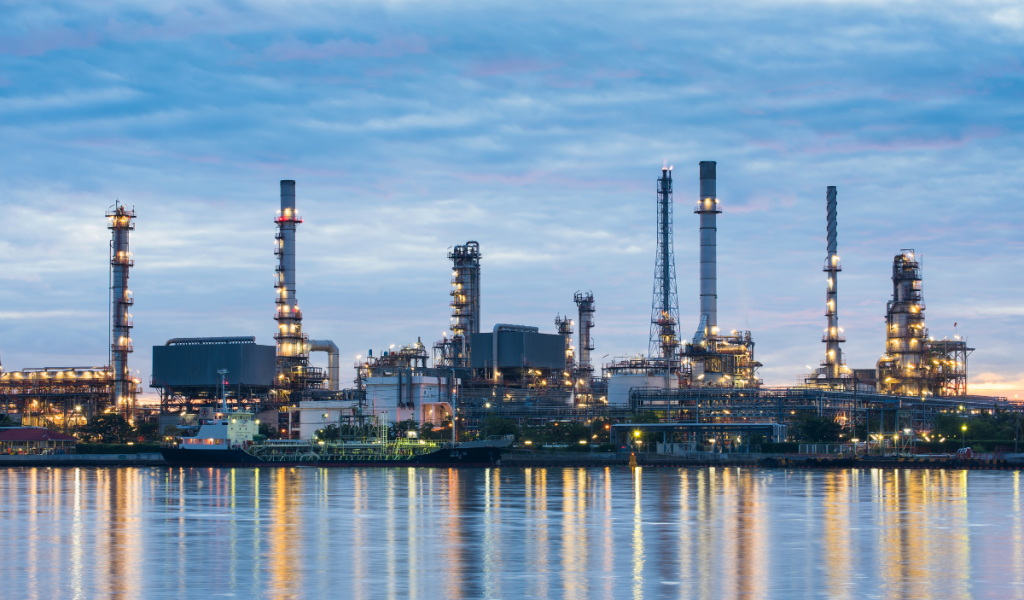
Oil and gas facilities operate in environments characterized by the constant presence of highly flammable, toxic, or potentially asphyxiating substances.
During hydrocarbon extraction, processing, transportation, and storage, even a small leak can quickly become a critical event if not detected and addressed promptly.
The main areas where gas releases can occur include:
- Extraction units and wellheads, where the pressure of process fluids can cause sudden escapes;
- Treatment and refining plants, characterized by the presence of numerous high-temperature and high-pressure processes;
- Pipelines and transfer systems, where corrosion, damage, or operational anomalies can cause leaks;
- Storage tanks and loading/unloading areas, particularly exposed during handling operations;
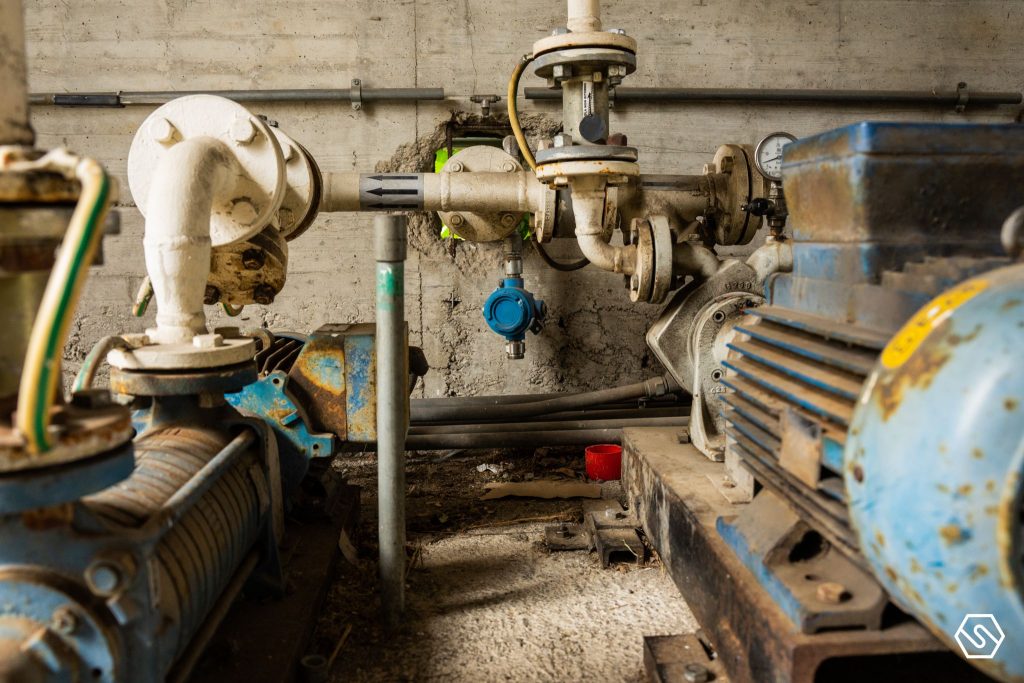
- Compressors, valves, flanges, and connections, often identified as critical points for accidental emissions;
- Offshore installations, where severe environmental conditions make emergency management even more complex.
In these scenarios, detection speed is a key factor: intercepting a leak in its early stages allows for the activation of alarm systems, isolation procedures, and corrective actions before the situation evolves into a major incident.
What are the risks associated with the types of gas to be monitored in the Oil and Gas sector?
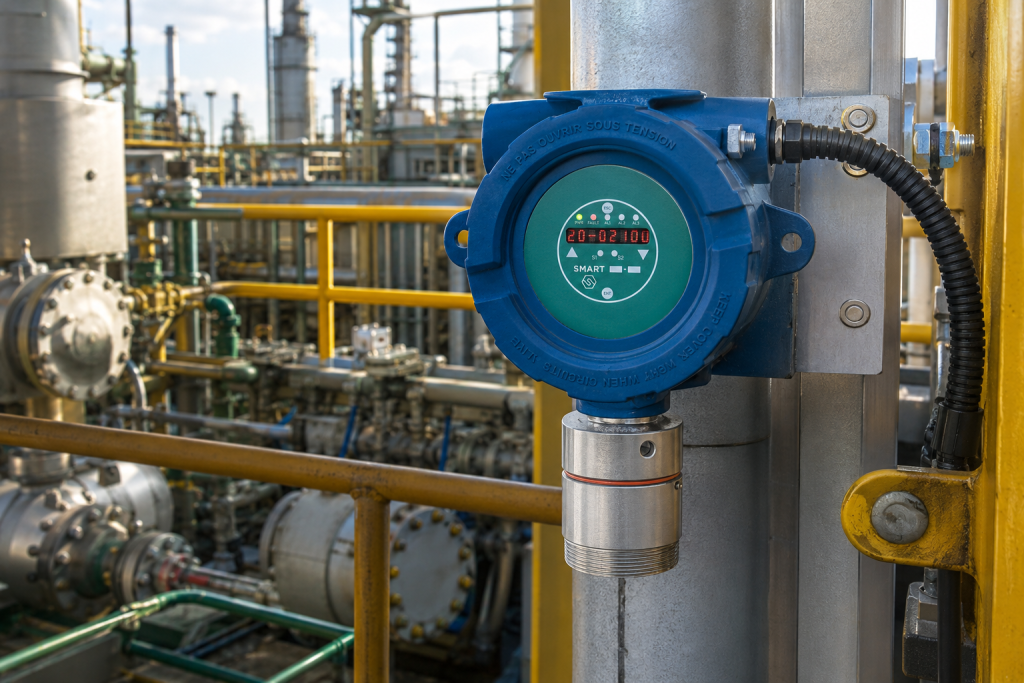
The choice of gases to monitor depends on the characteristics of the plant, the processes involved, and the substances used or produced. Each gas presents specific risks that require dedicated detection technologies.
Flammable gases: methane, propane, butane and combustible hydrocarbons
Flammable gases represent one of the main risks in Oil & Gas plants. When their concentration reaches the lower flammability limit (LEL – Lower Explosive Limit), the presence of an ignition source can cause fires or explosions.
Continuous monitoring of combustible gases allows you to quickly identify any leaks and intervene before a dangerous concentration is reached.
Hydrogen sulfide (H₂S)
Characterized by a typical “rotten egg” odor even at very low levels (as it can quickly impair the sense of smell), H₂S requires reliable and continuous monitoring systems, especially in areas of extraction, gas processing, and drilling.
Carbon monoxide (CO)
Carbon monoxide is a colorless, odorless gas produced primarily by incomplete combustion processes. Its presence can be difficult to detect without specialized instruments, but it poses a serious risk to workers.
CO monitoring is essential in areas where combustion systems, generators, turbines, or thermal equipment are present.
Volatile organic compounds (VOCs)
VOCs can arise from the processing and handling of hydrocarbons. In addition to the flammability risk, some substances can have negative effects on the health of workers and the environment.
VOC detection helps improve emissions control and environmental safety management.
Oxygen (O₂)
Oxygen monitoring is essential for identifying abnormal conditions such as:
oxygen deficiency, with the risk of asphyxiation;
oxygen enrichment, which can increase the likelihood of combustion.
Correctly identifying the gases to be monitored is the first step in designing an effective, reliable detection system suited to the actual operating conditions of the plant.
Reference standards for safety in oil and gas plants
Oil and gas facilities must comply with stringent regulations that ensure high levels of operational safety, including:
- ATEX directives for equipment installed in potentially explosive atmospheres;
- IECEx certifications for international applications;
- Guidelines for worker health and safety.
Beyond ensuring legal compliance, these regulations represent a benchmark for industry best practices. Implementing certified gas detection solutions reduces the risk of non-compliance, strengthens customer and stakeholder trust, and helps consolidate the company’s long-term reputation.
The advantages of an integrated gas detection system
Integrating an advanced gas detection system means transforming safety management from a reactive approach to a preventative model.
A properly designed system allows you to:
- Rapidly detect gas leaks, even at low concentrations, reducing response time to critical events;
- Protect operators and technical personnel from exposure to toxic substances or hazardous atmospheres;
- Prevent fires and explosions, limiting the likelihood of major accidents;
- Protect strategic assets and infrastructure, avoiding damage to high-value machinery and equipment;
- Reduce unplanned production downtime, improving plant reliability and availability;
- Optimize maintenance interventions, thanks to timely and accurate information on anomalies;
- Ensure compliance with international safety standards.
Gas detection therefore becomes an investment in the operational resilience of the plant: not only a tool for responding to emergencies, but a fundamental technology for preventing critical events and ensuring safe, efficient, and sustainable production over time.
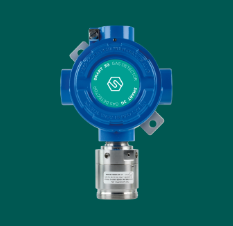
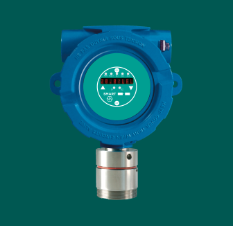
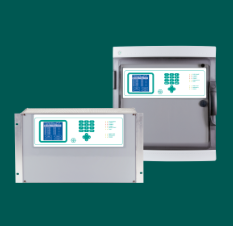
Discover our detectors for flammable, toxic and VOC gases
Rely on Sensitron's expertise
For more than 35 years, Sensitron has been developing gas detection solutions designed to ensure safety, reliability, and high performance even in the most complex industrial environments. Founded in 1988 in the province of Milan and now part of the Halma plc group, the company combines research and development, field experience, and regulatory expertise to deliver technologies that are both dependable and compliant with the highest international standards.
Sensitron systems are designed to detect flammable, toxic, refrigerant gases as well as oxygen, and are used across numerous sectors: industry, energy, infrastructure, healthcare, construction, and marine applications. All products are CE‑tested and certified, and engineered to ensure accurate and long‑lasting performance over time.