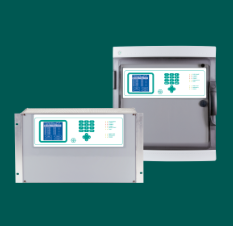
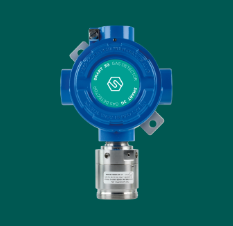
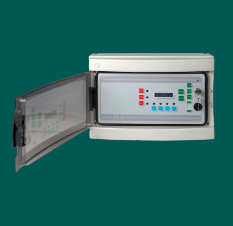
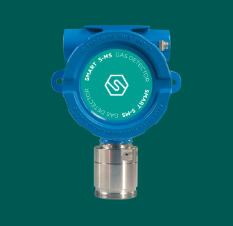
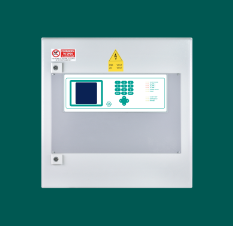
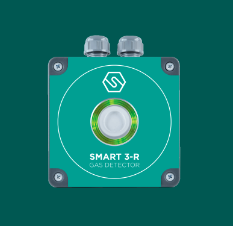
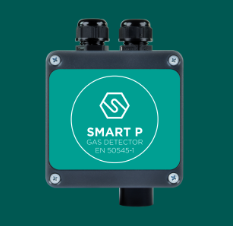
Sensitron products are made and tested to perform precisely even under the harshest application conditions.
MOST DETECTED GASES
OXYGEN (O2), AMMONIA (NH3), LPG/LPG, HYDROGEN (H2), METHANE (CH4), ACETONE (C3H6O), ETHYL ACETATE (C4H8O2), HEXANE (C6H14), STYRENE (C8H8), PENTANE (C5H12), PROPANE (C3H8), BUTANE (C4H10), TOLUENE (C6H5CH3)
POSSIBLE SOLUTIONS
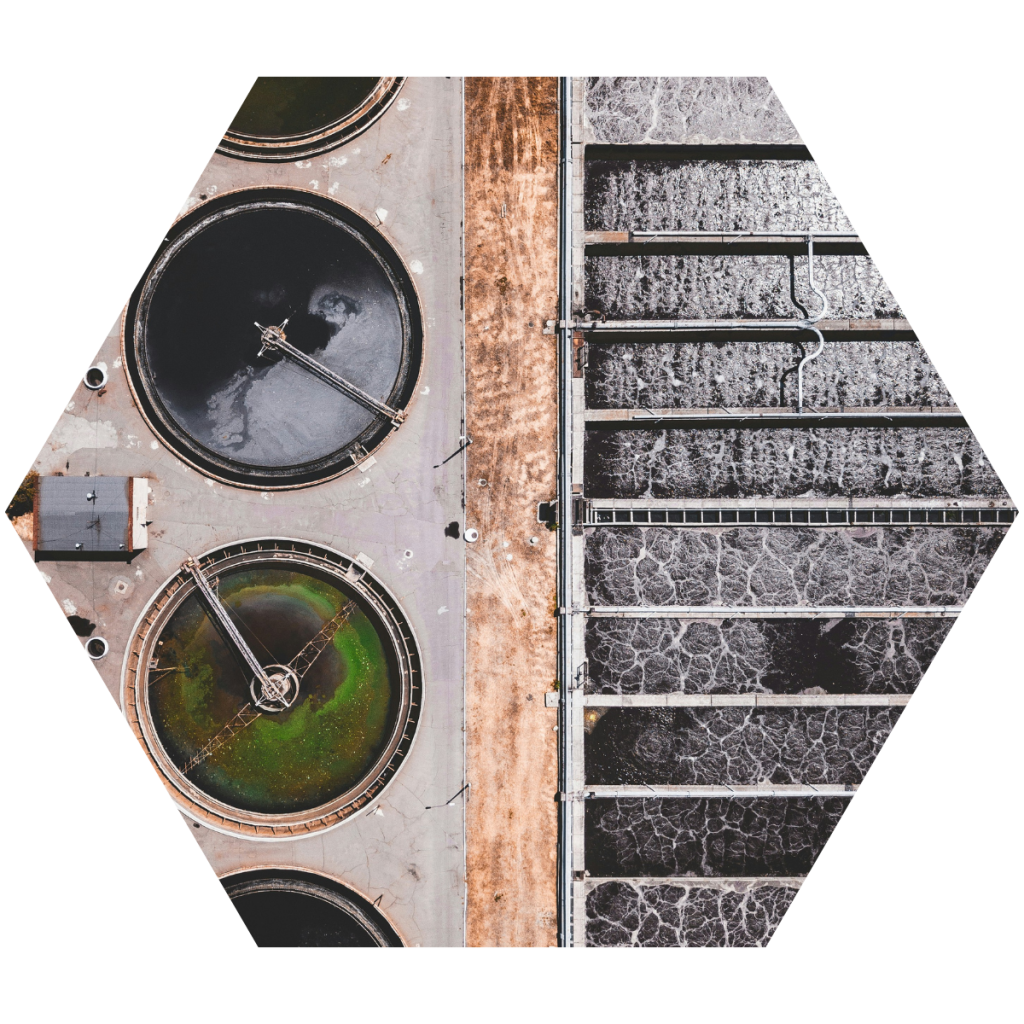
In wastewater facilities, the most common hazards come from sources such as sewers, aeration tanks, sludge digestion tanks and deodorization plants.
MOST DETECTED GASES
METHANE (CH4), HYDROGEN (H2), CHLORINE (CL2), SULFUR DIOXIDE (SO2), AMMONIA (NH3), CARBON DIOXIDE (CO2), ETHYLENE OXIDE (C₂H₄O), OZONE (O3)
POSSIBLE SOLUTIONS
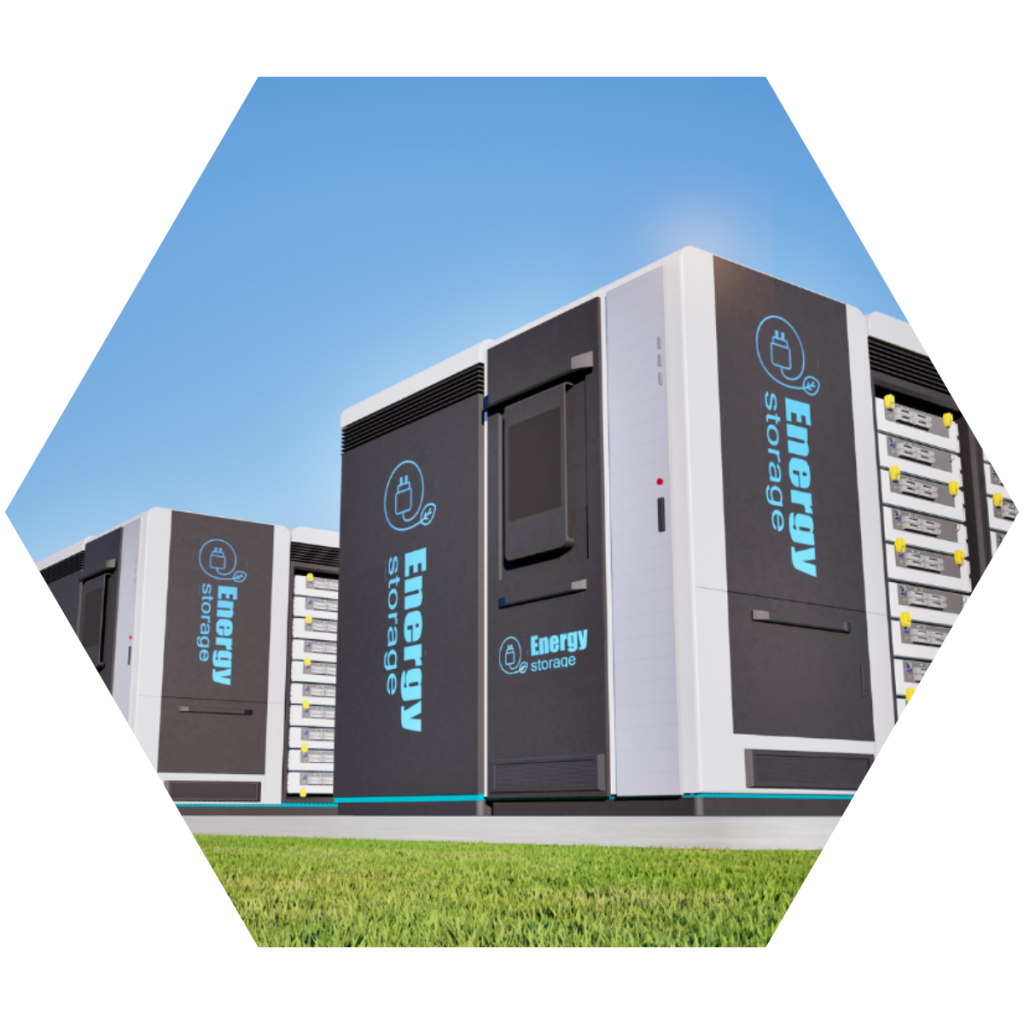
Within a Battery Energy Storage System (BESS), it is critical to detect the presence of hydrogen, a highly flammable gas that can accumulate in battery charging and storage areas.
MOST DETECTED GAS
HYDROGEN (H2)
POSSIBLE SOLUTIONS
In the paper industry, gas detection is crucial during printing processes, coating, and during paper bleaching and ink usage
MOST DETECTED GASES
METHANE (CH4), HYDROGEN (H2), SULFUR DIOXIDE (SO2), CHLORINE (CL2), AMMONIA (NH3), SULFUR DIOXIDE (SO2), ETHYLENE OXIDE (C₂H₄O)
POSSIBLE SOLUTIONS
In the marine industry gas detection is essential to prevent dangers arising from gas from ship exhaust, and the transport of dangerous goods by sea may require
monitoring of toxic gases and/or pollutants.
MOST DETECTED GASES
METHANE (CH4), METHANOL (CH3OH), PROPANE (C3H8), HYDROGEN (H2), SULPHUR DIOXIDE (SO2), AMMONIA (NH3), CARBON MONOXIDE (CO), CHLORINE (CL2), SULPHURIC ACID (H2SO4), CARBON DIOXIDE (CO2), ORGANIC COMPOUNDS VOLATILE (VOC)
POSSIBLE SOLUTIONS
Gas detection is crucial during extraction, processing and refining processes in the petrochemical industry.
MOST DETECTED GASES
METHANE (CH4), ETHANE (C2H6), PROPANE (C3H8), HYDROGEN (H2), HYDROGEN SULPHIDE (H2S) SULPHUR DIOXIDE (SO2), CARBON MONOXIDE (CO), CARBON DIOXIDE (CO2), HYDROGEN SULPHIDE (H2S), HYDROGEN CHLORATE (HCI), NITROGEN (N2), VOLATILE ORGANIC COMPOUNDS (VOC)
POSSIBLE SOLUTIONS
Within buildings such as hospitals and hotels, it is necessary to detect possible leaks in air conditioning and refrigeration systems, as well as monitor environments such as kitchens, canteens, or laundries.
MOST DETECTED GASES
A1 and A2L REFRIGERANT GASES, CARBON DIOXIDE (CO2)
POSSIBLE SOLUTIONS
Within the hospital sector, particularly within critical areas such as operating rooms or intensive care units, gas detectors are used to ensure the safety of environments.

MOST DETECTED GASES
OXYGEN (O2), CARBON DIOXIDE (CO2), METHANE (CH4)
POSSIBLE SOLUTIONS
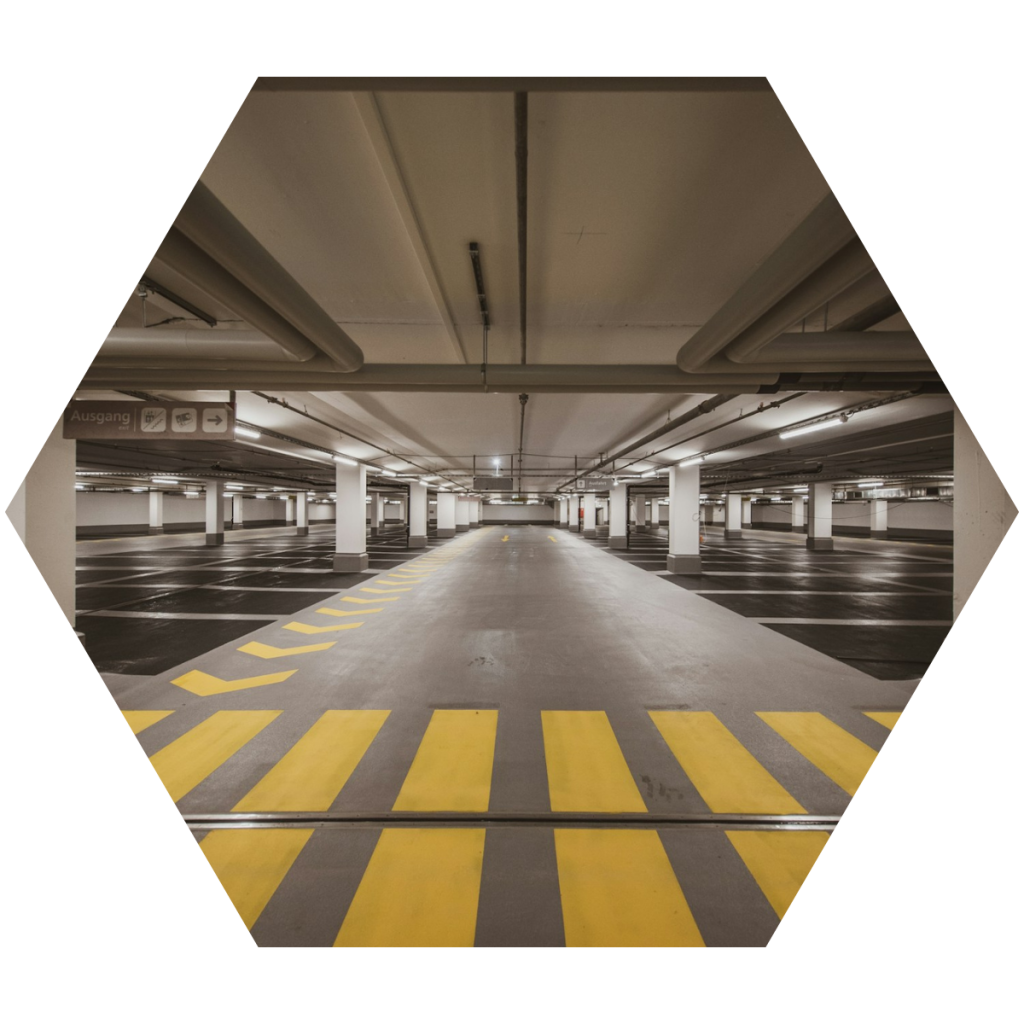
Inside underground garages, air circulation can be complex, and dangerous gas concentrations could increase the risk of explosion and poisoning.
MOST DETECTED GASES
LPG, METHANE (CH4), CARBON MONOXIDE (CO), VOLATILE HYDROCARBONS (VOC)
POSSIBLE SOLUTIONS
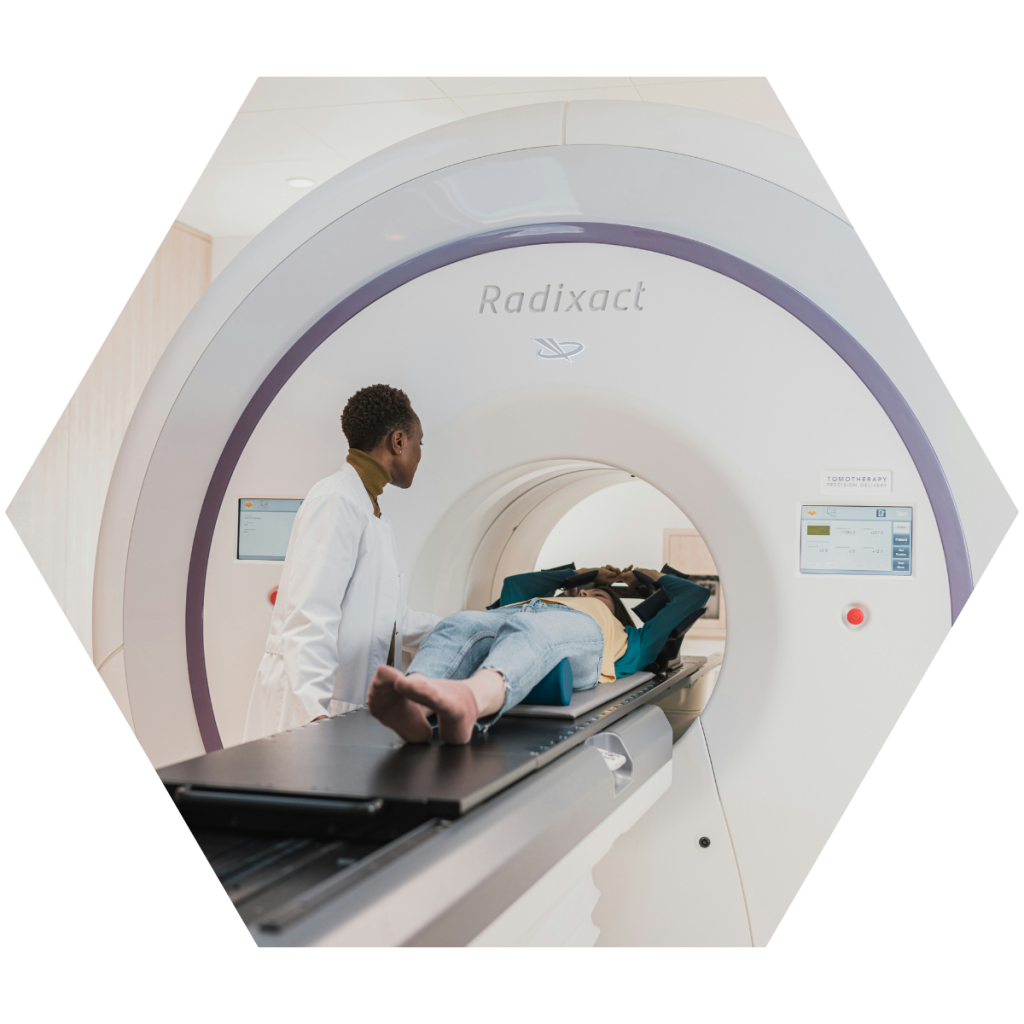
An MRI machine requires the use of cryogenic gases that make it necessary to carefully detect the oxygen level.
MOST DETECTED GAS
OXYGEN (O2)
POSSIBLE SOLUTIONS
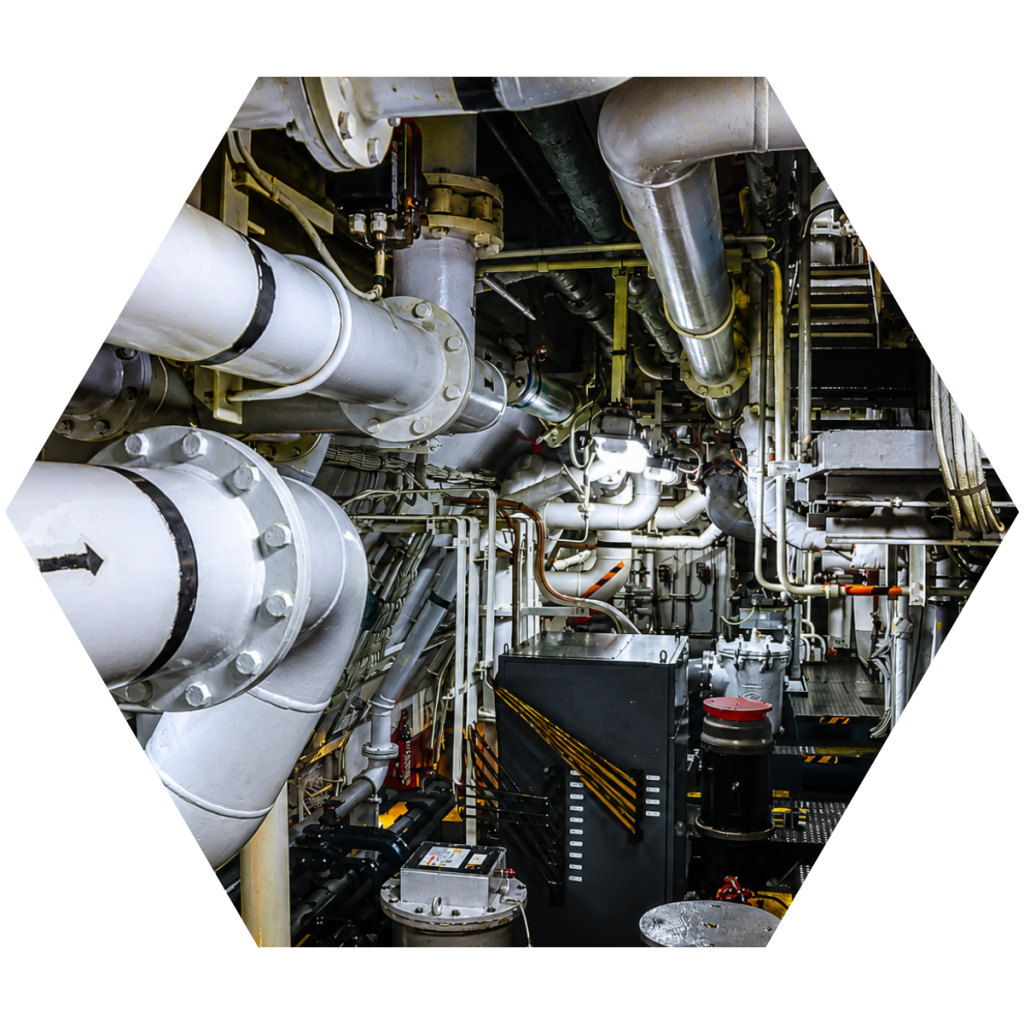
Engine rooms are confined spaces that often house complex engines and machinery that may run on diesel, gas, or electric power.
MOST DETECTED GASES
METHANE (CH4), PROPANE (C3H8), HYDROGEN (H2), SULPHUR DIOXIDE (SO2), AMMONIA (NH3), CARBON MONOXIDE (CO), CHLORINE (CL2), SULPHURIC ACID (H2SO4), ORGANIC COMPOUNDS VOLATILE (VOC)
POSSIBLE SOLUTIONS