
The growing adoption of lithium batteries in energy storage systems, industrial facilities, and critical infrastructure is making dedicated rooms for their storage and charging increasingly common.
However, in these environments, abnormal conditions such as overheating, overcharging, or physical damage can lead to the formation of potentially hazardous gases. Understanding the associated risks and implementing reliable gas detection solutions is therefore a key factor in preventing fires, explosions, and dangerous situations for personnel.
Index
What are lithium batteries?
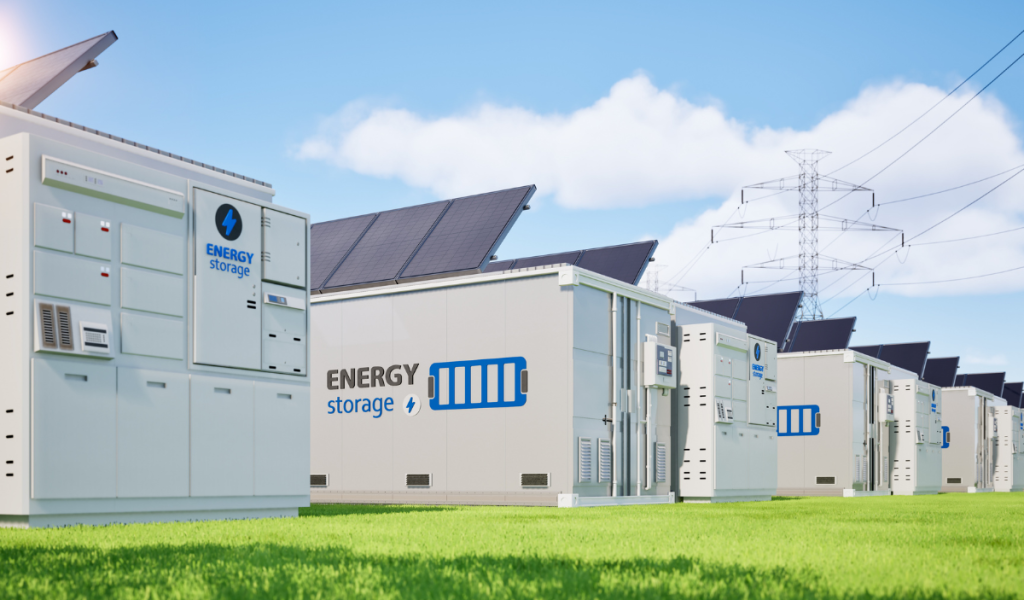
Lithium batteries are electrochemical devices used to store and release electrical energy. Thanks to their high energy density, long lifespan, and low weight, they are now one of the most widespread technologies for energy storage.
They are used in a wide range of applications: electronic devices, electric vehicles, uninterruptible power supply (UPS) systems, and storage installations for renewable energy such as solar and wind power.
Their ability to store large amounts of energy in relatively small spaces has made lithium batteries a key solution for the energy transition.
How is a lithium battery made?
A lithium battery is composed of several electrochemical cells connected together.
Each cell contains four main components:
- Anode: typically made of graphite, it is the electrode that releases lithium ions during discharge.
- Cathode: made of lithium-containing metal compounds (such as lithium oxides), it receives the ions during discharge.
- Electrolyte: a chemical substance that enables the movement of lithium ions between the anode and the cathode.
- Separator: a membrane that keeps the two electrodes apart to prevent direct contact, while still allowing ion flow.
During operation, lithium ions move between the anode and the cathode, generating the electric current that powers the devices connected to the battery
How long do lithium batteries last?
The lifespan of lithium batteries depends on several factors, including the specific technology used, operating conditions, and the number of charge and discharge cycles.
In general, these batteries can reach anywhere from 1,000 to over 5,000 charge cycles while maintaining good performance for many years. In energy storage systems or industrial applications, their service life can reach 10–15 years when the battery is properly managed and maintained.
What are lithium batteries used for?
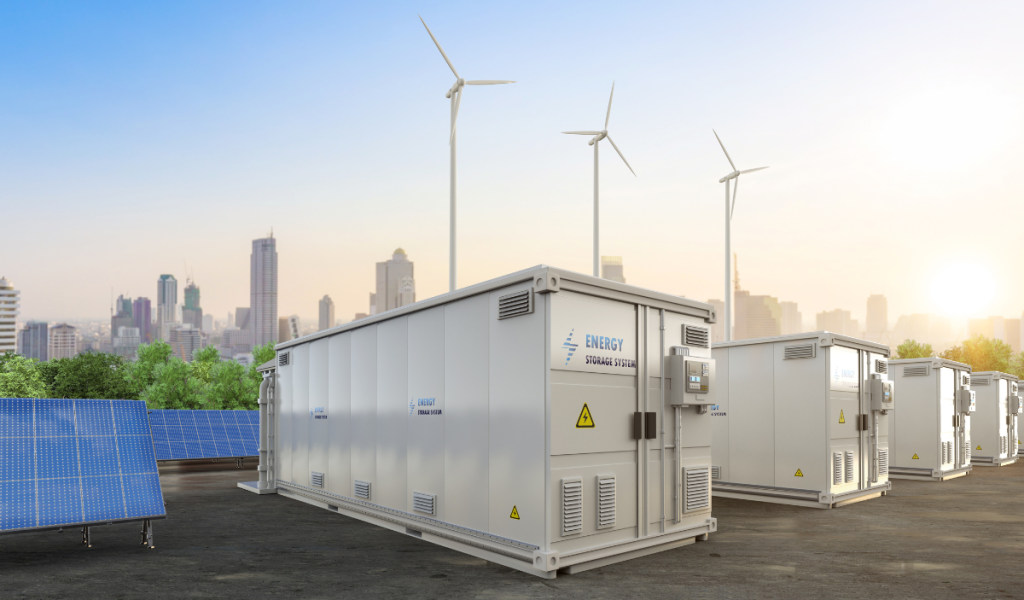
Batteries have been used for more than two centuries to store and release electrical energy, but it is especially in recent years that their use has grown significantly. The rise of renewable energy sources such as solar and wind power has increased the need for storage systems capable of preserving the energy produced and making it available when needed.
Where are lithium batteries used?
Today, lithium batteries are increasingly found in a wide range of applications: industrial plants, data centers, critical infrastructure, photovoltaic installations, and uninterruptible power supply (UPS) systems. Their characteristics — high energy density, long lifespan, and low weight — make them the most widespread technology for storage systems.
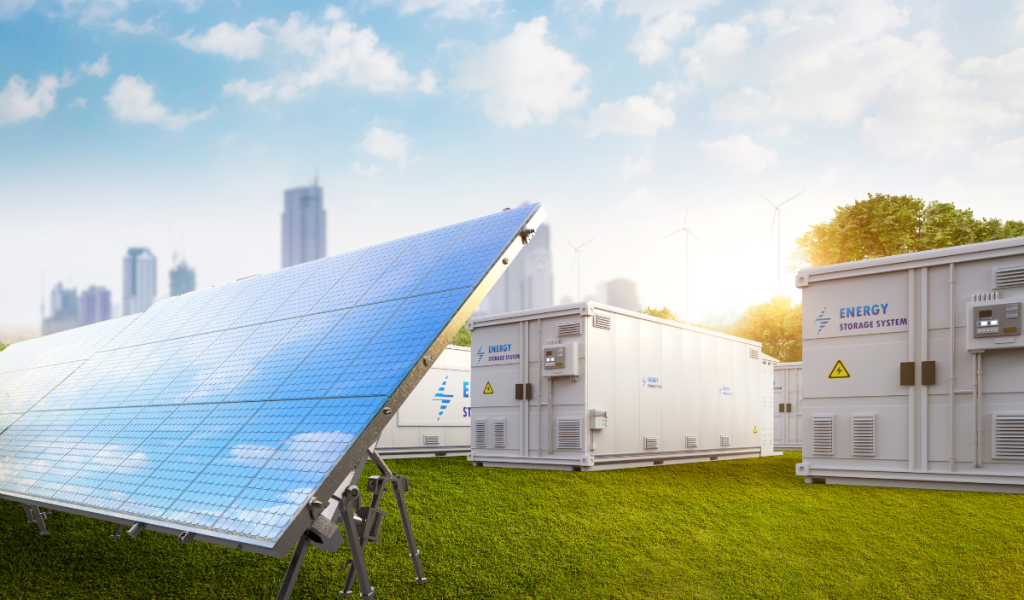
This growing adoption also means that dedicated rooms for battery storage or charging are now more common, ranging from small technical spaces to large-scale energy storage facilities. In these areas — often enclosed or with limited ventilation — it is essential to consider all safety aspects, including the potential release of gases.
In fact, in these environments, certain operating conditions can lead to the emission of gases which, if not detected promptly, may pose risks to both personnel and equipment.
What dangers are associated with lithium‑ion batteries?
Under certain operating conditions, almost all batteries can produce gases. This can occur, for example, when batteries are overcharged, overheated, damaged, or left discharged for long periods. In these situations, the chemical components inside the battery can vaporize, generating potentially hazardous gases.
In the case of lithium batteries, one of the most significant risks is thermal runaway. When the internal temperature of the battery reaches a critical level, a chain reaction may occur, leading to the release of flammable gases. This process is particularly difficult to stop and can quickly spread to nearby cells.
In enclosed environments, such as battery storage or charging rooms, the accumulation of these gases can create extremely dangerous conditions. Hydrogen, for instance — a colorless, odorless, and highly flammable gas — can become explosive at concentrations as low as 4% by volume in air.
Over the years, several incidents have been linked to these phenomena. In many cases, the failure of a single cell triggered fires or explosions that rapidly spread throughout the entire storage system. The accumulation of combustible gases inside the rooms was often one of the factors that contributed to the severity of these events.
For this reason, in areas dedicated to the storage of lithium batteries, it is essential to constantly monitor the presence of gases in order to quickly identify leaks or anomalies and intervene before the situation becomes critical.
Sensitron solutions for hydrogen detection in lithium battery storage rooms
Considering the risks associated with gas emissions and thermal runaway events, gas detection is a fundamental safety measure in areas dedicated to the storage and charging of batteries. The goal is to promptly identify any buildup of hazardous gases and activate alarms or safety systems before dangerous conditions develop.
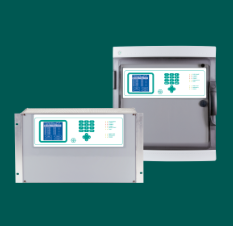
Here are the Sensitron products designed for hydrogen detection in technical rooms used for the storage of lithium batteries:
Rely on Sensitron’s expertise
For more than 35 years, Sensitron has been developing gas detection solutions designed to ensure safety, reliability, and high performance even in the most complex industrial environments. Founded in 1988 in the province of Milan and now part of the Halma plc group, the company combines research and development, field experience, and regulatory expertise to deliver technologies that are both dependable and compliant with the highest international standards.
Sensitron systems are designed to detect flammable, toxic, refrigerant gases as well as oxygen, and are used across numerous sectors: industry, energy, infrastructure, healthcare, construction, and marine applications. All products are CE‑tested and certified, and engineered to ensure accurate and long‑lasting performance over time.
Our certifications
In hazardous environments where strict safety standards must be met, it is essential to use certified products that comply with applicable regulations.



Contact our team to receive technical support and find the solution that best fits your application.