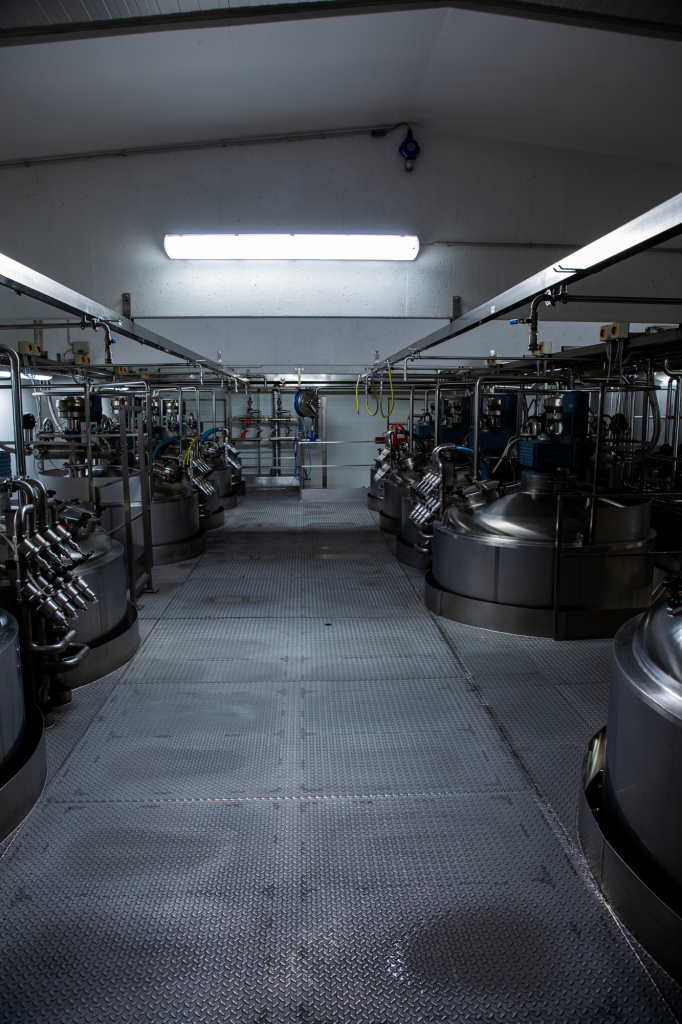
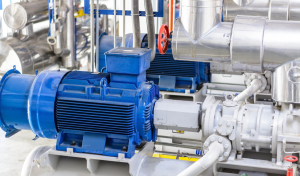
In food production processes, product quality and safety depend not only on processing methods and health and hygiene certifications, but also on the environment in which production activities take place.
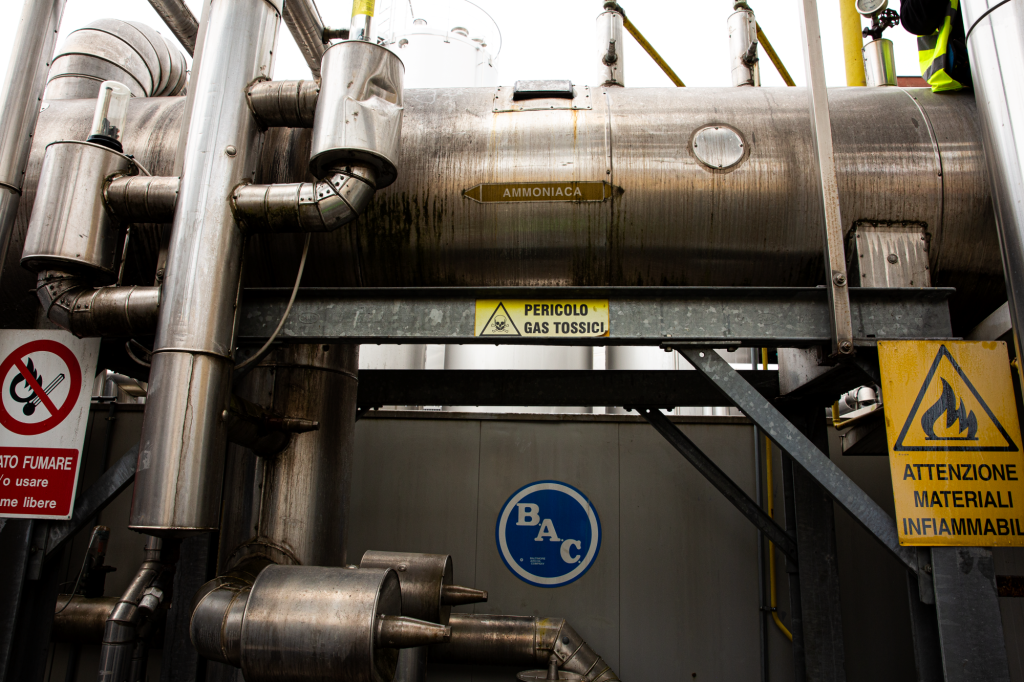
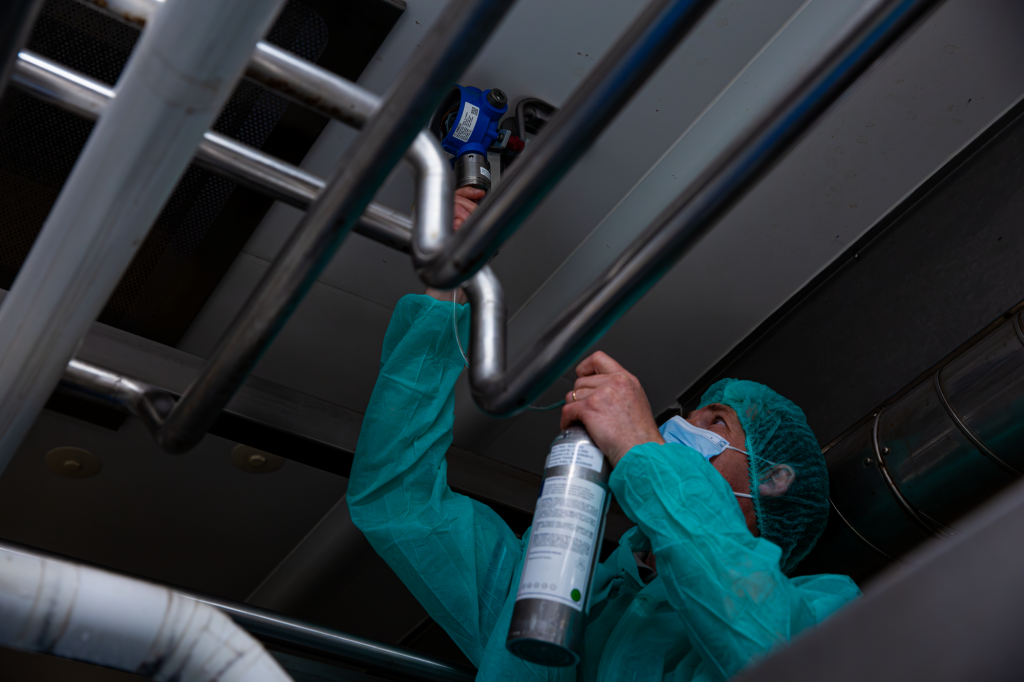
Gases such as ammonia, carbon dioxide or synthetic refrigerants, used in refrigeration systems and curing chambers, can pose a risk to both workers and food integrity. Gas detection in the food industry is therefore essential to ensure process continuity, personnel safety and regulatory compliance.
Food production: why it is important to monitor gases
Integrating gas detection systems in food companies means:
Protecting workers’ health from exposure to toxic or asphyxiating substances.
Preventing accidents caused by refrigerant or combustible gas leaks.
Preserving food quality during storage and ageing.
Ensuring compliance with safety standards and certifications (HACCP, ISO 22000).
Reducing the risk of production downtime or economic losses due to contamination
Food production: The main sources of risk
Gas leaks can occur at various stages of the food supply chain:
Industrial refrigeration systems (cold rooms, freezing tunnels)
Maturing rooms and controlled atmosphere rooms (CO₂, N₂)
Production and processing plants using ammonia or fluorinated refrigerants
Temperature-controlled warehouses and storage areas
Industrial kitchens and combustible gas systems (methane, LPG)
Food production: which gases to monitor
Among the most common gases detected in food processing plants are:
Ammonia (NH₃): widely used in refrigeration systems, toxic and irritating.
Carbon dioxide (CO₂): used in controlled atmospheres and cold rooms; in high concentrations it can cause asphyxiation.
Refrigerant gases (HFC, HFO, R32): possible leaks from cooling circuits, with risks to the environment and safety.
Methane and LPG: used in kitchens and energy systems, flammable and explosive in case of leakage.
Oxygen (O₂): monitored in modified atmosphere areas to ensure safe conditions and preserve product quality.
Gas detection technologies in food production processes
The choice of the most suitable technology depends on the type of gas to be monitored and the operating conditions:
Electrochemical sensors: ideal for ammonia, CO₂ and toxic gases.
Infrared (IR) sensors: stable and accurate for CO₂ and refrigerant gases.
Catalytic sensors: suitable for detecting flammable gases (methane, LPG).
PID sensors: useful for VOCs or organic compounds present in certain processes.
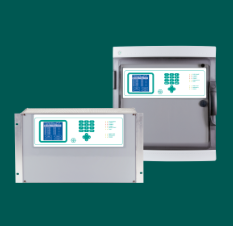
Integration with supervision systems (BMS or SCADA) allows for constant monitoring and immediate alarm management.
The advantages of an integrated gas detection system
The adoption of a system dedicated to the food industry brings concrete benefits:
Greater protection for workers and food
Production continuity and reduction in plant downtime
Compliance with HACCP standards and safety regulations
Environmental protection from refrigerant emissions
Cost reduction thanks to rapid and targeted interventions
Discover our produtcs
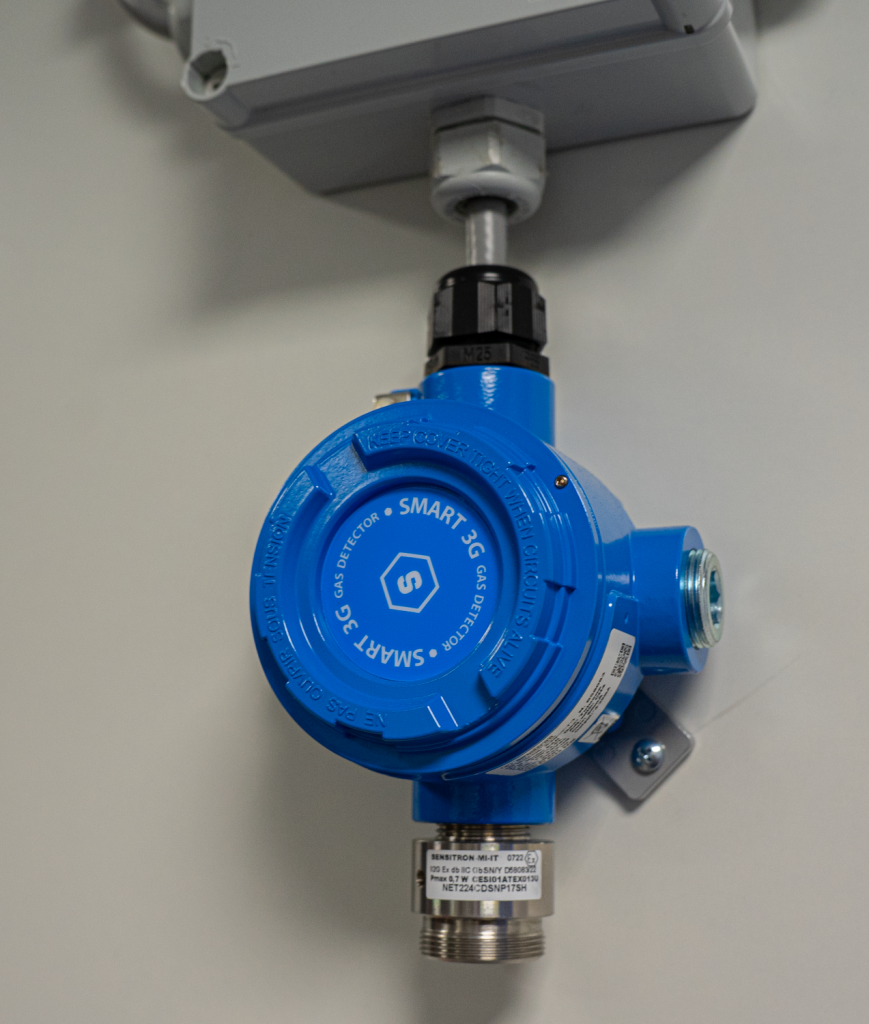
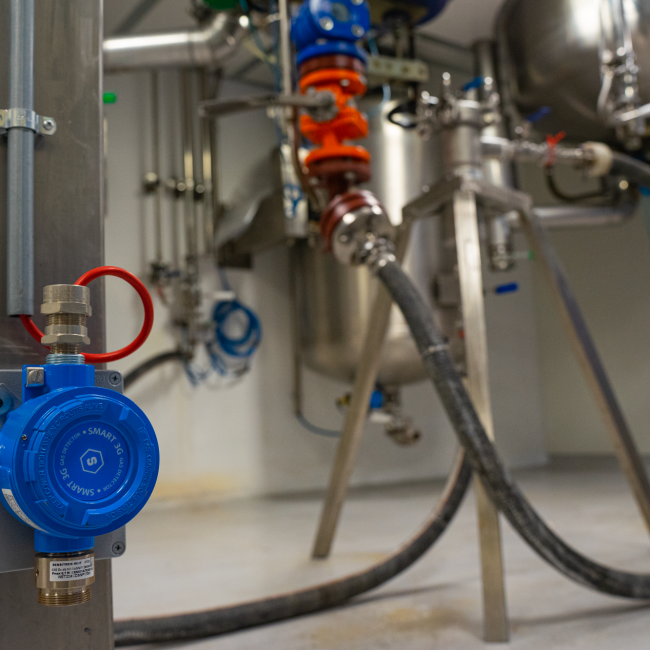
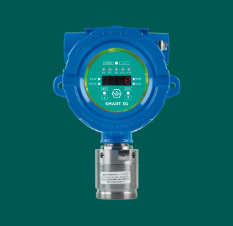
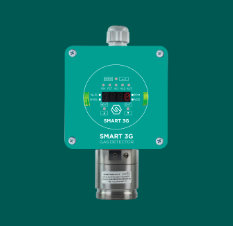
Sensitron gas detectors are suitable for use in any application:
In hazardous environments where strict safety standards must be met, it is important to use certified products that comply with regulations. Discover our certifications:
Within the Sensitron metaverse it is possible to explore application realities reconstructed in virtual reality. Find out more about who we are and what we do, walk inside a production area and find out more details about the dangers associated with gas.
Contact us!
Contacts
Viale della Repubblica, 48 20007 Cornaredo (MI) – ITALY
We celebrated this achievement, with a new logo: in the handshake we see the commitment made with our customers, but also collaboration, the doing together the best we can without compromise.
Founded in 1988 in the province of Milan, Sensitron becomes part of the Halma plc group in 2021.