Underground parking garage are enclosed spaces where numerous vehicles circulate daily, resulting in the emission of potentially hazardous exhaust gases. Without an adequate monitoring system, substances such as carbon monoxide (CO), nitrogen dioxide (NO₂), and gasoline vapors (GV) can accumulate and compromise environmental safety.
For this reason, gas detection has become a fundamental element in the design and management of underground parking facilities. In this article, we will explore why monitoring is so important, the main risks involved, and the technological solutions that help ensure safer environments.
Index

What types of parking garage exist?
Parking facilities can be classified into different types based on their structure and location. The most common are surface parking lots, which are outdoors and generally uncovered, often found in commercial or urban areas. There are also multi-storey car parks—structures developed over several above-ground levels that help optimize available space in cities. A particularly widespread category in urban contexts is underground car parks, built beneath buildings, squares, or residential and commercial complexes. These spaces offer numerous advantages in terms of land use and vehicle protection; however, as enclosed environments, they require adequate ventilation systems and air quality monitoring to ensure user safety.
How do underground parking garage work?
Underground parking garage are structures built below ground level, designed to accommodate and manage vehicle flow in enclosed spaces. Access is generally provided via entrance and exit ramps, while internal circulation is organized through lanes, signage, and numbered parking spaces that facilitate parking and vehicle movement.
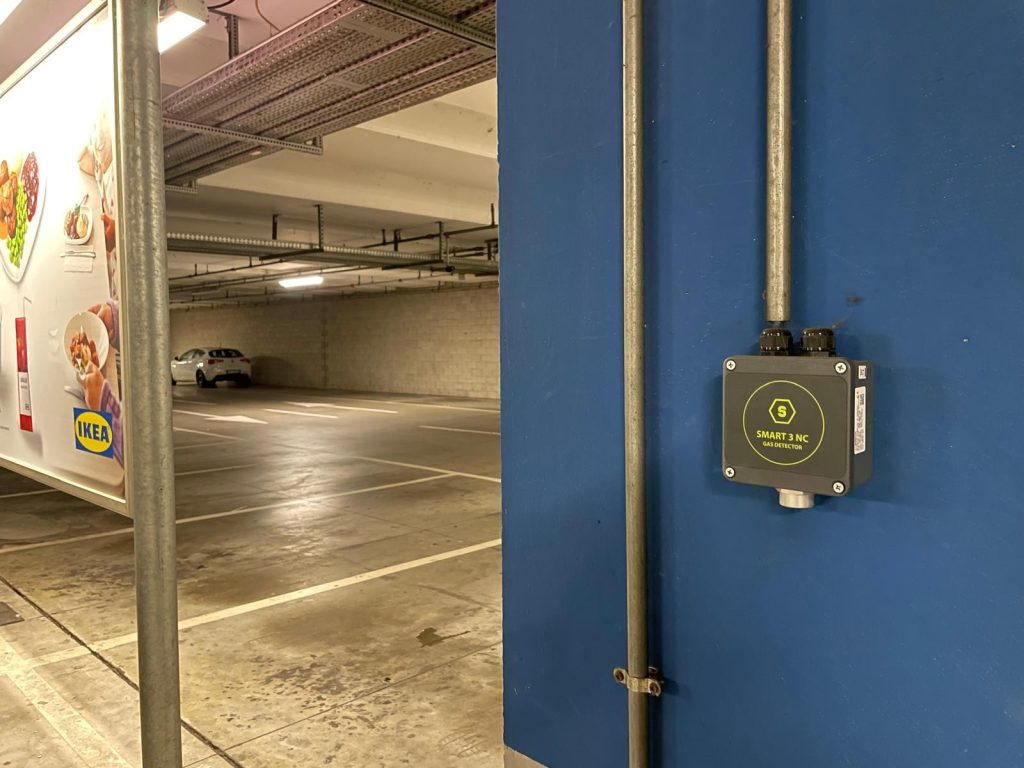
EN 50545-1 standard for underground underground parking garage
The EN 50545‑1 standard defines the general requirements for the design, installation, and maintenance of gas detection systems in car parks. Its objective is to ensure the safety of users and personnel by preventing dangerous accumulations of combustible or toxic gases within enclosed or poorly ventilated environments.
The standard establishes precise criteria for sensor selection, device placement, alarm thresholds, and automatic response measures, including the activation of ventilation or gas extraction systems.
Proper application of EN 50545‑1 ensures that each car park is equipped with reliable monitoring systems compliant with European standards, capable of protecting motorists, visitors, and maintenance staff. Compliance with this regulation therefore represents a key element in safety management, significantly reducing the risks associated with gas emissions in parking facilities.
What are the risks associated with underground parking garage?
In underground parking garages, the continuous presence of vehicles with internal combustion engines inevitably leads to the emission of exhaust gases. This phenomenon is particularly critical under conditions of heavy traffic, running or overheated engines, and limited ventilation—typical of underground environments. In such contexts, substances such as carbon monoxide (CO), nitrogen dioxide (NO₂), and gasoline vapors (GV) can accumulate, resulting in hazardous concentrations and creating a real risk to the health and safety of users.
- Among the most significant risks is carbon monoxide poisoning. Carbon monoxide is a colorless and odorless gas that interferes with the blood’s ability to transport oxygen. Exposure can cause headaches, dizziness, nausea, confusion, and in severe cases, loss of consciousness or death. Even relatively low concentrations can be dangerous in enclosed and poorly ventilated spaces.
- Nitrogen dioxide is a gas that irritates the respiratory tract and can cause coughing, breathing difficulties, and eye irritation. High or prolonged exposure can worsen pre-existing respiratory conditions such as asthma and increase susceptibility to lung infections.
- Finally, gasoline vapors are highly flammable volatile compounds. In addition to the risk of fire and explosion, prolonged inhalation can irritate the respiratory tract, eyes, and skin, and may cause neurological effects such as headaches, dizziness, and nausea.
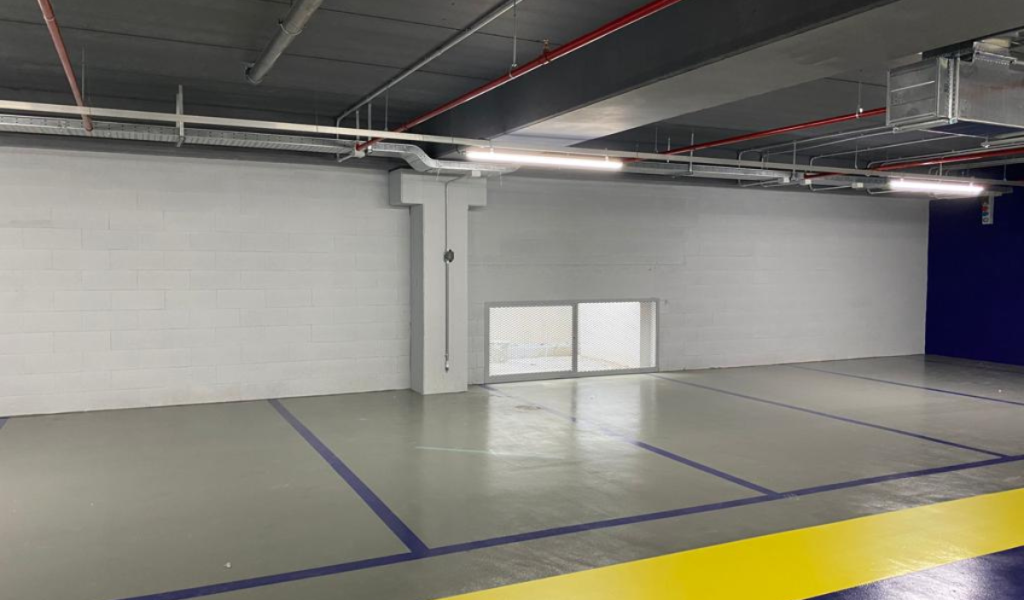
In enclosed or poorly ventilated spaces, the accumulation of these gases can occur rapidly, often without users being aware of it. Numerous documented incidents show how the lack of monitoring and inadequate ventilation have increased the severity of such situations.
For this reason, it is essential to install gas detection systems in underground car parks that can continuously monitor air quality, promptly identify dangerous concentrations, and automatically activate ventilation or alarms before conditions become critical.
These systems represent the first line of defense for protecting motorists, maintenance personnel, and visitors, ensuring safety and compliance with current regulations.
Sensitron solutions for gas detection in underground parking facilities
Considering the risks associated with the buildup of CO, NO₂ and gasoline vapors generated by moving vehicles, gas detection is an essential safety measure in underground parking facilities. The goal is to continuously monitor air quality, quickly identify any dangerous concentrations, and activate ventilation systems or alarms before critical conditions arise for users.
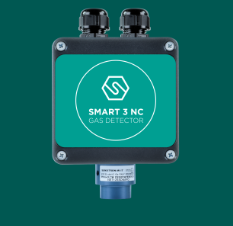
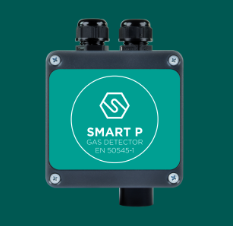
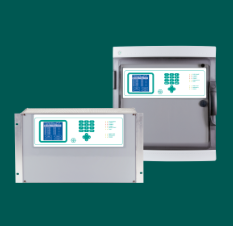
These solutions work together to keep air quality under control, reduce risks, and ensure safe, regulation‑compliant environments.
Rely on Sensitron’s expertise
For over 35 years, Sensitron has been developing gas‑detection solutions designed to ensure safety, reliability, and high performance, even in the most complex industrial environments. Founded in 1988 in the province of Milan and now part of the Halma plc group, the company combines research and development, field experience, and regulatory expertise to deliver technologies that meet the highest international standards.
Sensitron systems are designed to detect flammable, toxic, and refrigerant gases as well as oxygen, and they are used across a wide range of sectors: industry, energy, infrastructure, healthcare, construction, and marine applications. All products are CE‑certified, tested, and engineered to deliver long‑lasting, accurate performance.