sst-circle-white-horizontal

Urban distribution systems and gas detection

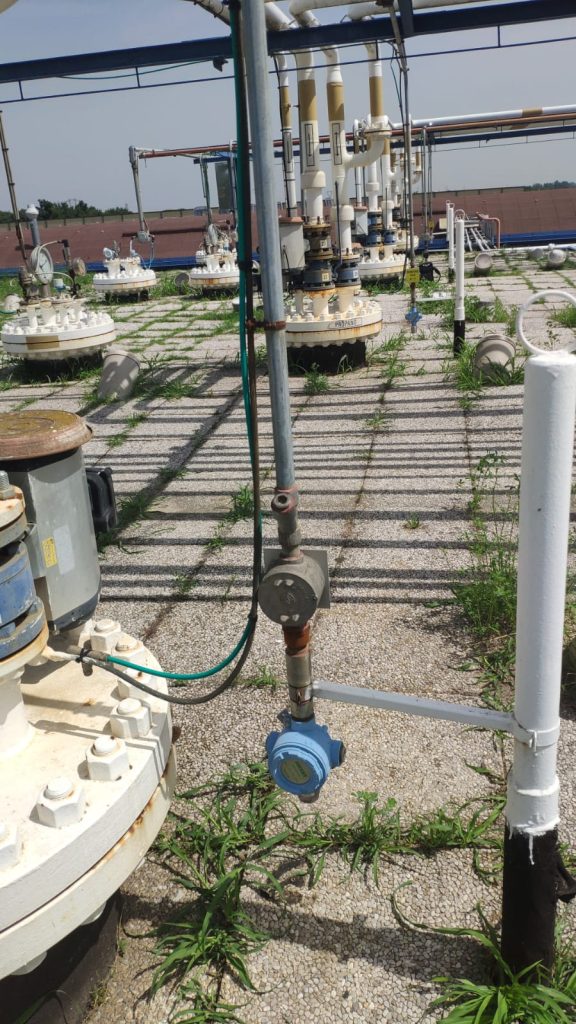
Urban gas distribution systems are critical infrastructure for everyday life: they supply homes, offices, production facilities and public services.
The network must guarantee a continuous and safe supply of natural gas or LPG, often distributed through kilometres of underground pipes and pressure reduction stations. Any leak or anomaly in these networks can have significant consequences: fires, explosions, service interruptions and serious risks to the population. This is why gas detection in urban systems is a pillar of safety.

Why monitor gas distribution networks?

Integrating detection and monitoring systems into urban networks means:

Preventing gas leaks in densely populated areas

Reducing the risk of accidents and explosions

Ensuring continuity of service to citizens and businesses

Ensuring compliance with safety and environmental regulations

Protecting infrastructure from costly damage and interruptions

In an urban setting, timeliness is crucial: the ability to quickly identify a leak can mean the difference between a controlled anomaly and a disaster.

The main risk factors in urban networks

Leaks and anomalies in urban gas distribution systems can result from various factors, including:

  • Corrosion of underground pipes
  • Accidental damage from road works or excavations
  • Failures in pressure reduction and regulation cabinets
  • Defective connections or joints
  • Ageing infrastructure
  • Lack of continuous monitoring systems

Identifying these critical issues is the first step in preventing accidents.

Gases and parameters to be monitored in urban networks

The type of gas to be monitored depends on the system used (methane or LPG). The most common include:

  • Methane (CH₄): the main fuel distributed in urban areas, highly flammable.
  • Propane and butane (LPG): used in local networks or centralised tanks, also explosive in the event of leaks.
  • Carbon monoxide (CO): a by-product of incomplete combustion, to be monitored in areas of use.
  • Oxygen (O₂): useful for assessing hypoxic atmospheres in confined spaces where gas leaks can accumulate.

Technologies for gas detection in urban networks

Technological solutions to ensure the safety of urban gas distribution systems include:

  • Infrared (IR) sensors: stable and accurate for methane and LPG, resistant to contaminants.
  • Catalytic sensors: suitable for detecting combustible gases in %LEL.
  • Electrochemical sensors: for CO and other toxic gases associated with combustion.

The combination of these technologies ensures both immediate safety and preventive management of infrastructure.

Why rely on Sensitron

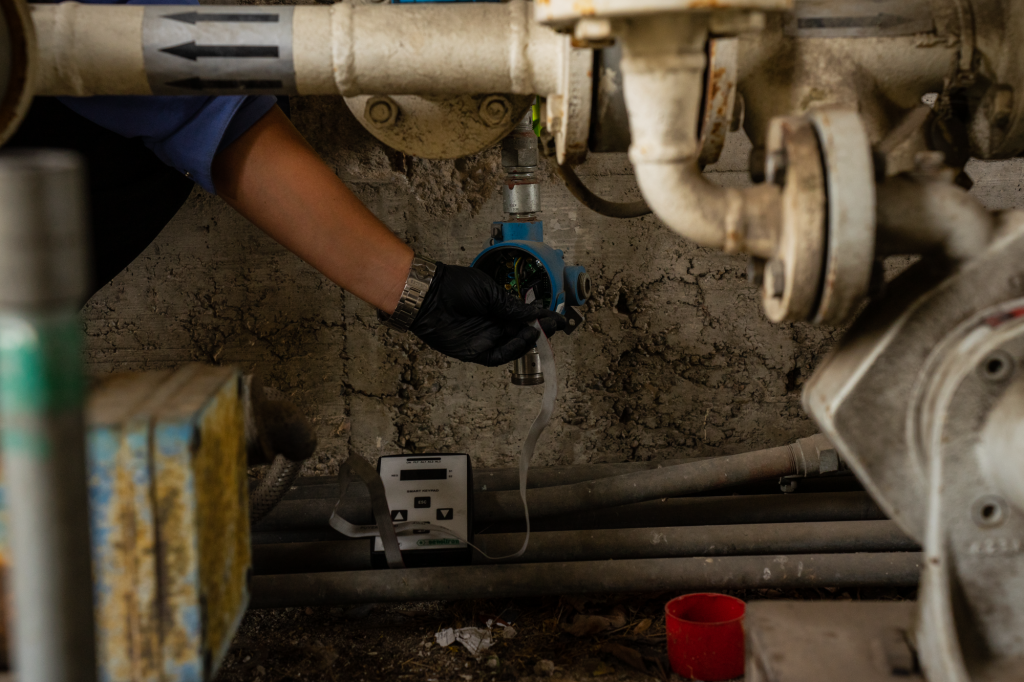
Sensitron offers ATEX and SIL2 certified devices designed to ensure continuous monitoring in urban gas distribution networks. Our systems include:

  • Catalytic and infrared sensors for methane and LPG
  • Electrochemical detectors for toxic gases
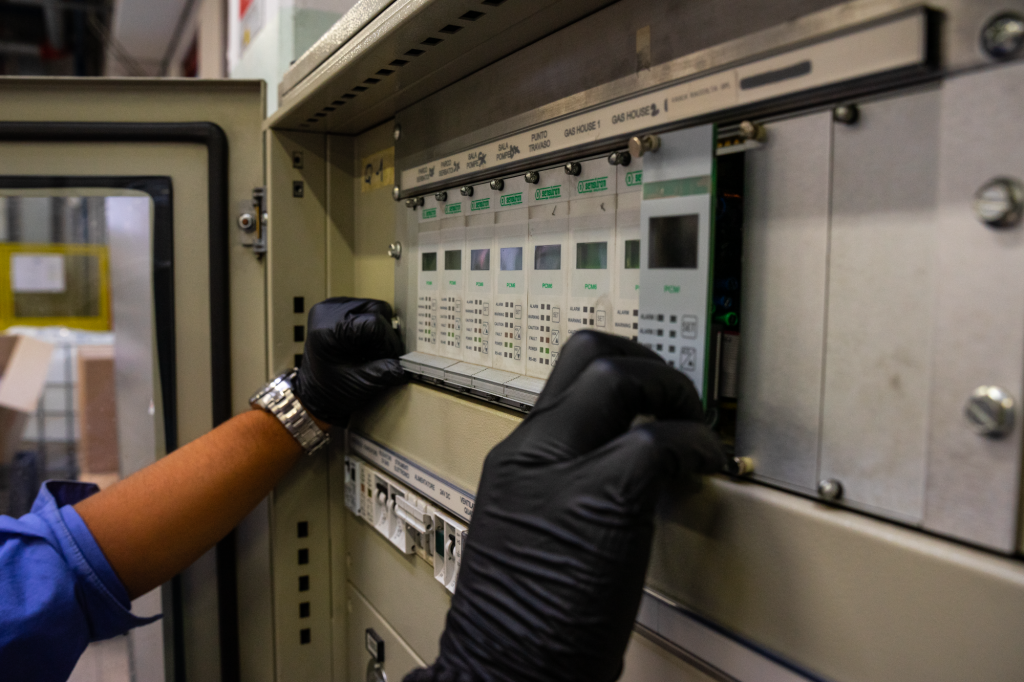
  • Centralised controllers with multi-point management
  • Technical support and scheduled maintenance

Discover our produtcs

Sensitron gas detectors are suitable for use in any application:

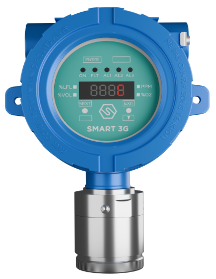
SMART 3G D2

Suitable for detecting flammable substances, toxic gases, refrigerants and oxygen in classified areas.ATEX, IECEx and SIL2/3 certified.
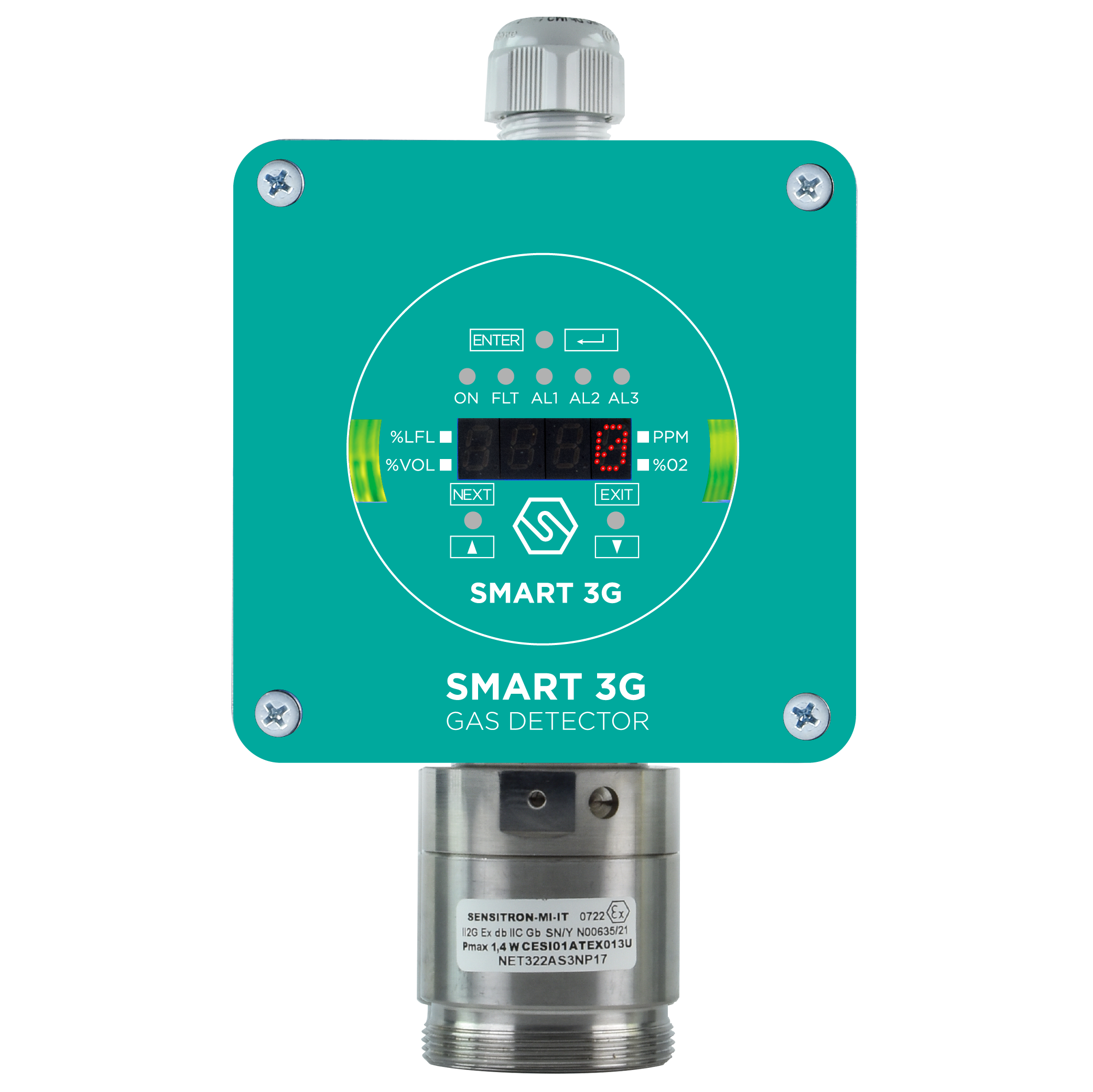
SMART 3G D3

SMART 3G D3

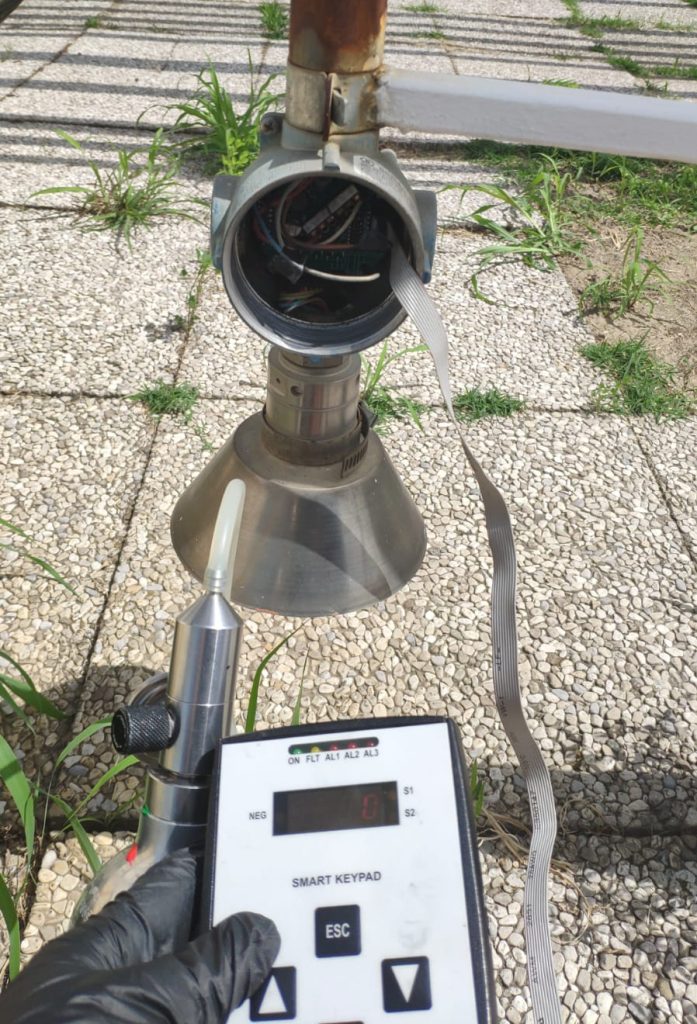
Suitable for detecting in classified areas,ATEX, IECEx and SIL2/3 certified, enables non-intrusive field calibration.
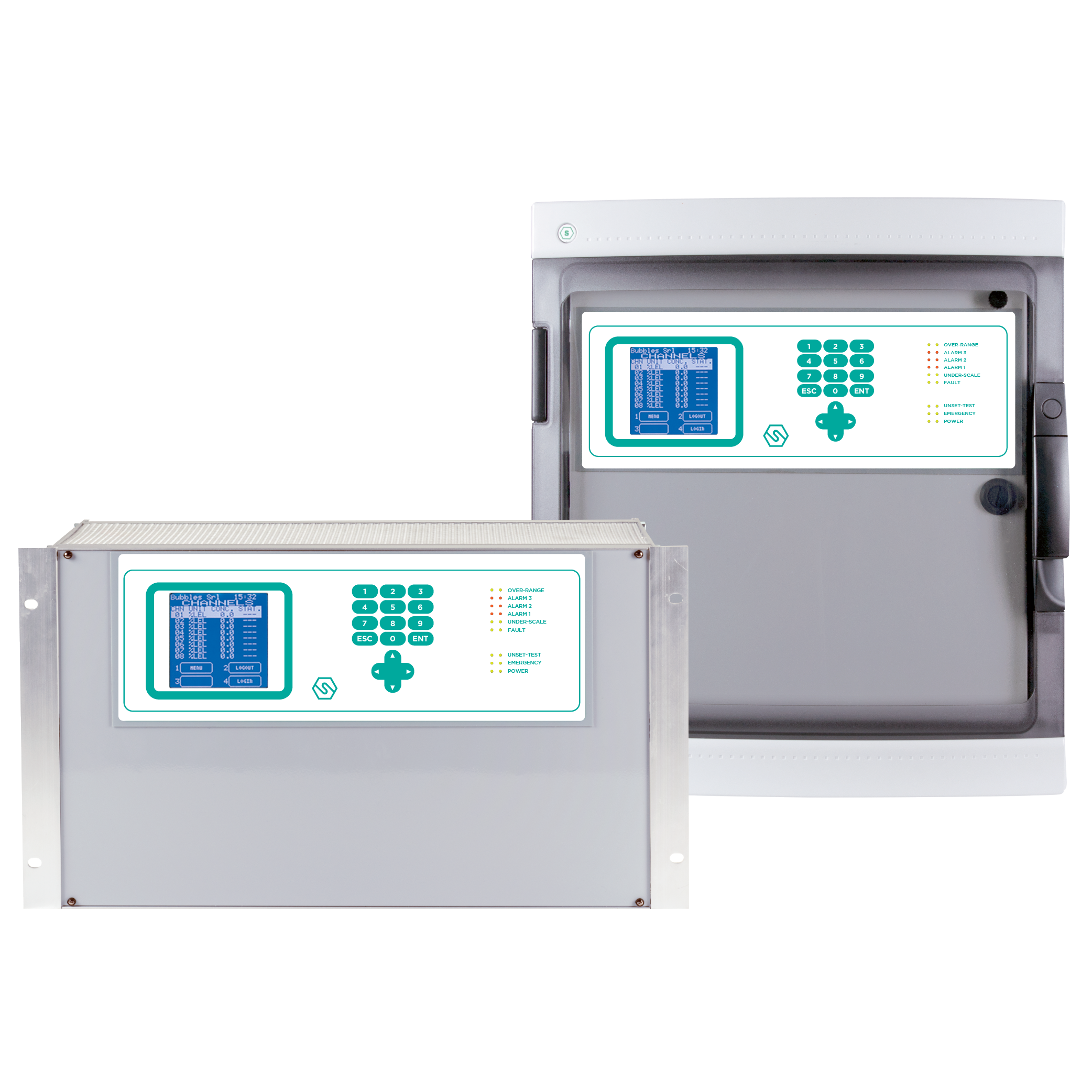
MULTISCAN++ S1/S2

Designed to meet the widest market demand for flexibility, they allow the management of up to 264 detectors. ATEX and SIL certified.

Our certifications

In hazardous environments where strict safety standards must be met, it is important to use certified products that comply with regulations. Discover our certifications:

ATEX

The Directive sets out the requirements and assessment of equipment intended for use in potentially explosive atmospheres.

IECEx

IECEx

The IECEx system is an international certification system. It is developed by the International Electrotechnical Commission.

SIL

The Safety Integrity Level (SIL) is the ability to reduce the assessed risk by ensuring the reliability of safety systems.


Explore in virtual reality

Within the Sensitron metaverse, you can explore application scenarios reconstructed in virtual reality. Find out more about who we are and what we do, walk through a production area and learn more about the dangers associated with gas.

Follow us on Linkedin

Follow us on Instagram

Share:

Gli ultimi articoli

Contatti

NEL 2025,
SENSITRON
COMPIE 37 ANNI

Abbiamo celebrato questo risultato, con un nuovo logo: nella stretta di mano vediamo l’impegno preso con i nostri clienti, ma anche la collaborazione, il fare insieme il meglio possibile senza compromessi.

Fondata nel 1988 in provincia di Milano, Sensitron entra a far parte del gruppo Halma plc nel 2021.