Guest safety is a top priority for any accommodation facility.
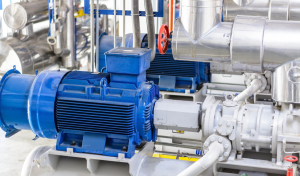
In hotels, refrigeration systems located in machine rooms, walk-in cold rooms, kitchens, and occupied spaces present a potential risk if not properly monitored.
Even a minor refrigerant gas leak can quickly escalate into a dangerous situation, posing risks of asphyxiation, toxicity, or flammability, with significant consequences for operational continuity and the hotel’s reputation.
Indice

What is the EN 378 standard?
The EN 378 standard is the European reference framework that regulates safety and environmental requirements for refrigeration systems and heat pumps, defining when gas detection and alarm systems are mandatory to protect people and surrounding environments.
Its primary objective is to minimize the risks associated with refrigerant leaks.
The standard is divided into four parts:
- Part 1: General requirements, definitions, classification, and selection criteria
- Parts 2–3: Design, construction, installation, and commissioning
- Part 4: Operation, maintenance, repair, and refrigerant recovery
How EN 378 determines when gas detection is required
Compliance with EN 378 is based on the potential refrigerant concentration that could accumulate within each environment.
This value is calculated by dividing the total refrigerant charge (kg) by the room volume (m³).
If the result exceeds the “Practical Limit” defined in Annex E of EN 378, the installation of fixed gas detectors becomes mandatory.
Since this limit varies depending on the type and classification of the refrigerant, the assessment must be carried out individually for each space served by the system.
Practical Applications of EN 378 in Hotels
EN 378 specifies different protection measures depending on whether a space is occupied or unoccupied, ensuring the safety of both guests and staff in the event of a refrigerant leak.
When gas levels exceed the Practical Limit, or if a detector fault occurs, the alarm sequence must be triggered immediately, including both visual and audible notifications.
Typical applications in hotels include:
Machine rooms: audible and visual alarms inside and outside the room, automatic activation of emergency mechanical ventilation, and other safety actions.
Walk-in cold rooms and freezers: alarms inside the room (and ideally also externally), automatic activation of safety procedures, and integration with building management systems (BMS).
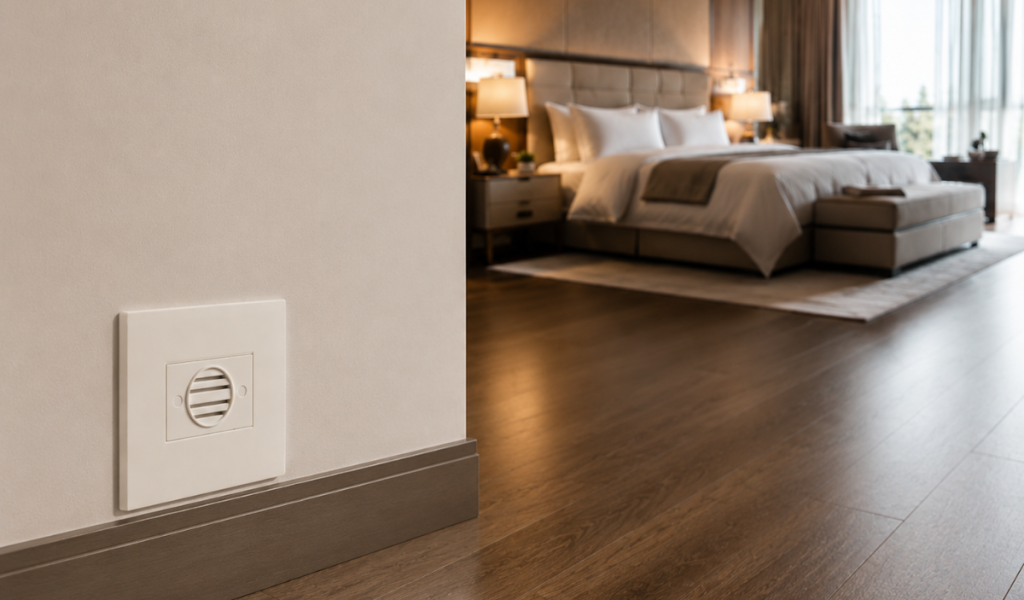
Occupied areas such as guest rooms, lobbies, corridors, and meeting rooms: audible and visual alarms within the space and in supervised areas, with automatic notifications and activation of response procedures.
EN 378 Requirements for Gas Detectors
EN 378 states that any suitable gas detector may be used, provided it is capable of generating the electrical signal required to activate safety measures such as alarms, ventilation, or the automatic closure of valves.
Key requirements include:
- Continuous monitoring of detector operational status;
- Automatic activation of emergency procedures in the event of a fault;
- Defined maintenance intervals, as specified in EN 378-3:2016, section 9.3.1;
- Ability to perform functional tests, as required by EN 378-3:2016, section 9.4;
- Periodic calibration and replacement of sensing elements with limited service life.
Why rely on Sensitron
In the hospitality sector, Sensitron provides specialized gas detection solutions designed to meet the requirements of EN 378.
Sensitron gas detection systems can be configured to:
- Manage local or remote audible and visual alarms;
- Automatically activate emergency ventilation and shutdown of compressors and valves;
- Communicate with BMS/BAS systems via analog or digital outputs;
- Support scheduled maintenance planning through integrated diagnostic tools.
Discover our product
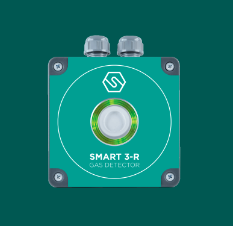
Sensitron offers four dedicated detector models, fully compliant with EN 378 requirements and optimized for the needs of the hospitality sector:
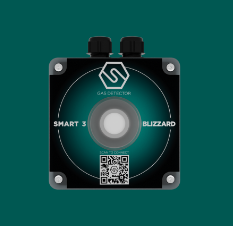
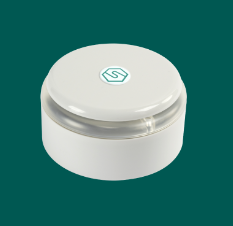
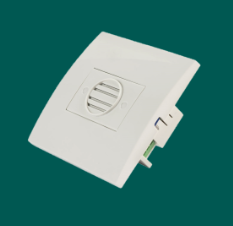
Rely on Sensitron's expertise
For over 35 years, Sensitron has been developing gas detection solutions designed to ensure safety, reliability, and high performance even in the most demanding industrial environments. Founded in 1988 in the province of Milan and now part of the Halma plc group, the company combines research and development, field experience, and regulatory expertise to offer reliable technologies compliant with the highest international standards.
Sensitron systems are designed to detect flammable, toxic, refrigerant, and oxygen gases and are used in numerous sectors: industry, energy, infrastructure, healthcare, construction, and marine applications. All products are CE tested and certified and designed to ensure accurate and long-lasting performance.