Recycling involves recovering materials and reducing the amount of waste destined for disposal. However, treatment and processing operations can generate or release hazardous gases, particularly in storage, processing, and treatment areas. Consequently, in recycling facilities, monitoring for the presence of gases is an integral part of ensuring the safety of the plant and the people working there.
Index
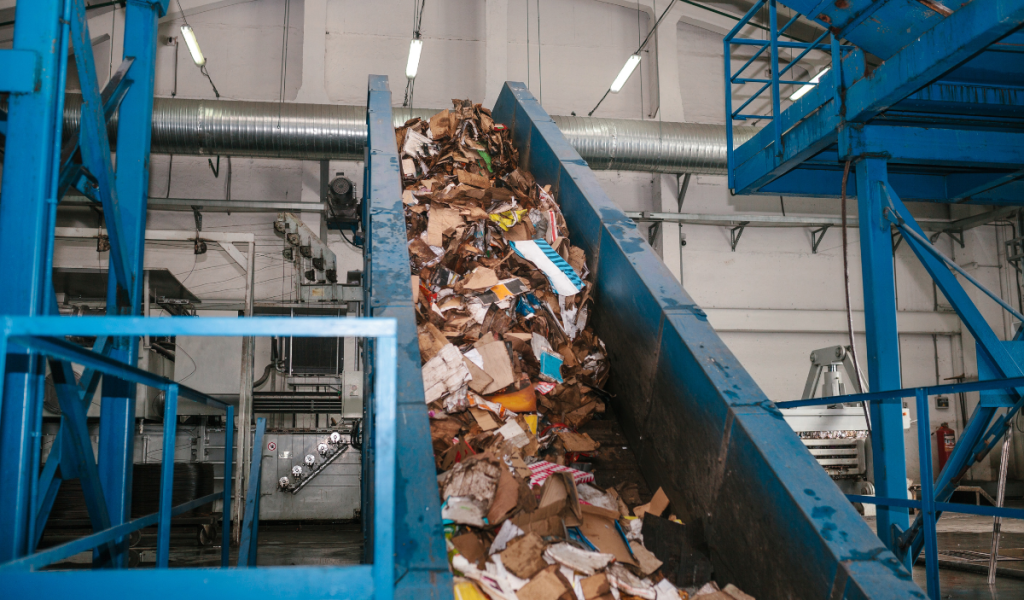
What are the processes involved in recycling plants?
Recycling facilities involve various stages, ranging from waste collection and storage to material sorting, treatment, and recovery.
Depending on the type of waste being processed, facilities may feature enclosed storage areas, conveyor belts and tunnels, silos, treatment tanks, sorting systems, and infrastructure for biogas production or recovery.
It is primarily during these stages that gases—resulting from the decomposition of organic matter, treatment processes, or the presence of contaminated materials—can form or accumulate.
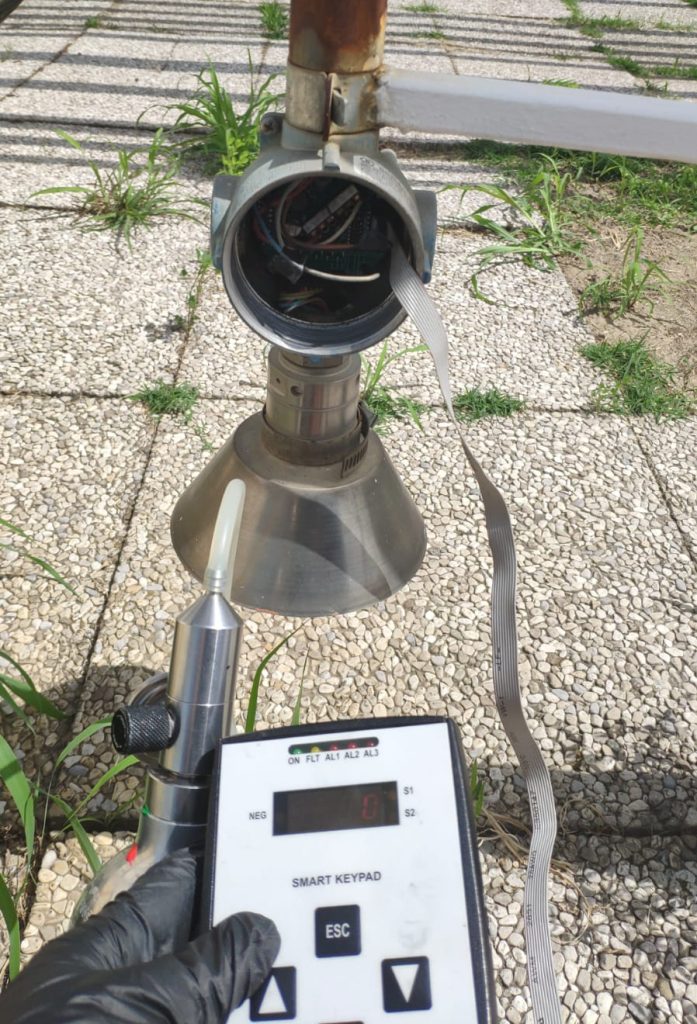
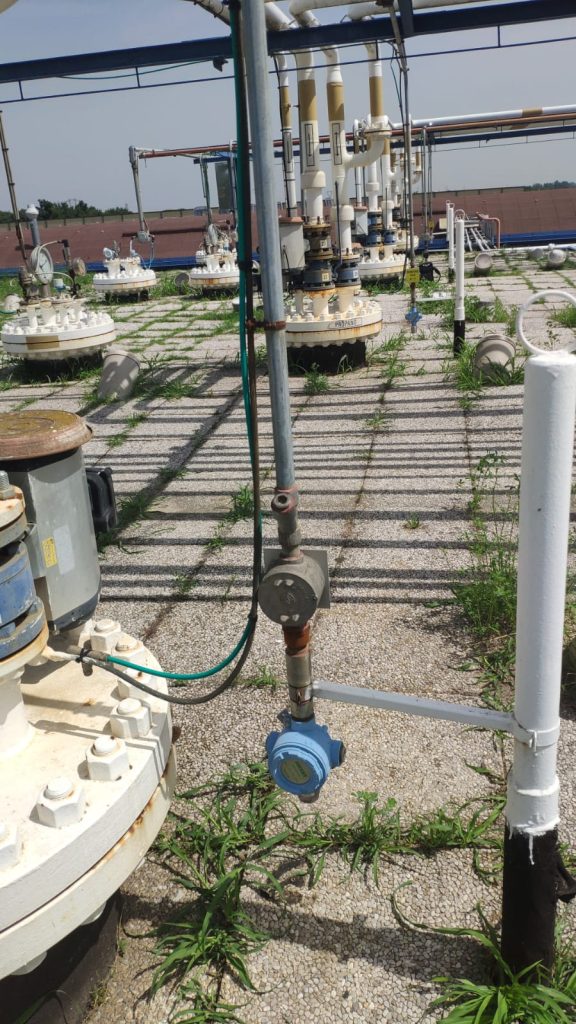
What are the main risks associated with a gas leak?
The risk increases in enclosed or poorly ventilated areas, where a gas can accumulate and reach dangerous concentrations.
An undetected leak or accumulation can expose workers to toxic substances, create flammable atmospheres, or contribute to fires and explosions. Even the accidental introduction of hazardous materials can bring substances into the facility that are not part of the normal processing operations.
For this reason, high-risk areas must be monitored using systems capable of rapidly signaling the presence of abnormal concentrations.
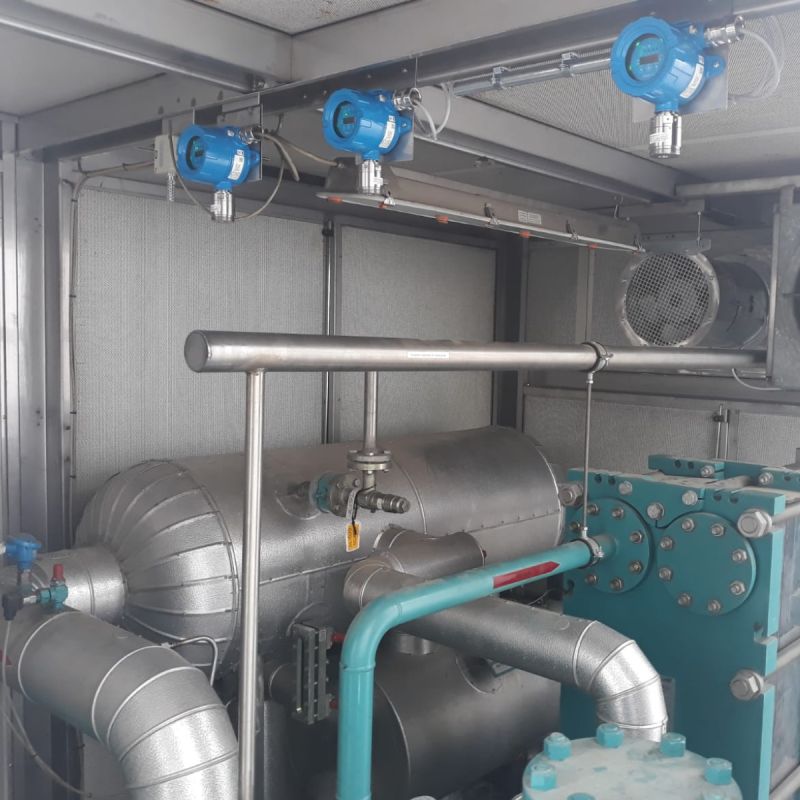
Which gases need to be monitored?
The gases to be monitored vary depending on the waste treated and the processes involved in the facility. Common examples include:
- methane (CH₄), associated with the anaerobic degradation of the organic fraction and also found in biogas production plants;
- hydrogen sulfide (H₂S), which can be generated during the degradation of organic materials and sludge and is highly toxic;
- ammonia (NH₃), associated with the decomposition of nitrogen-containing materials and composting processes;
- volatile organic compounds (VOCs), which can originate from solvents, plastics, chemical waste, and contaminated materials;
- carbon monoxide (CO) and other gases that may be present during specific processes or in the event of combustion or overheating;
- chlorine (Cl₂) and other toxic gases, which may be present—particularly in facilities treating certain types of industrial or electronic waste or contaminated materials.
Waste recycling: why gas detection is critical
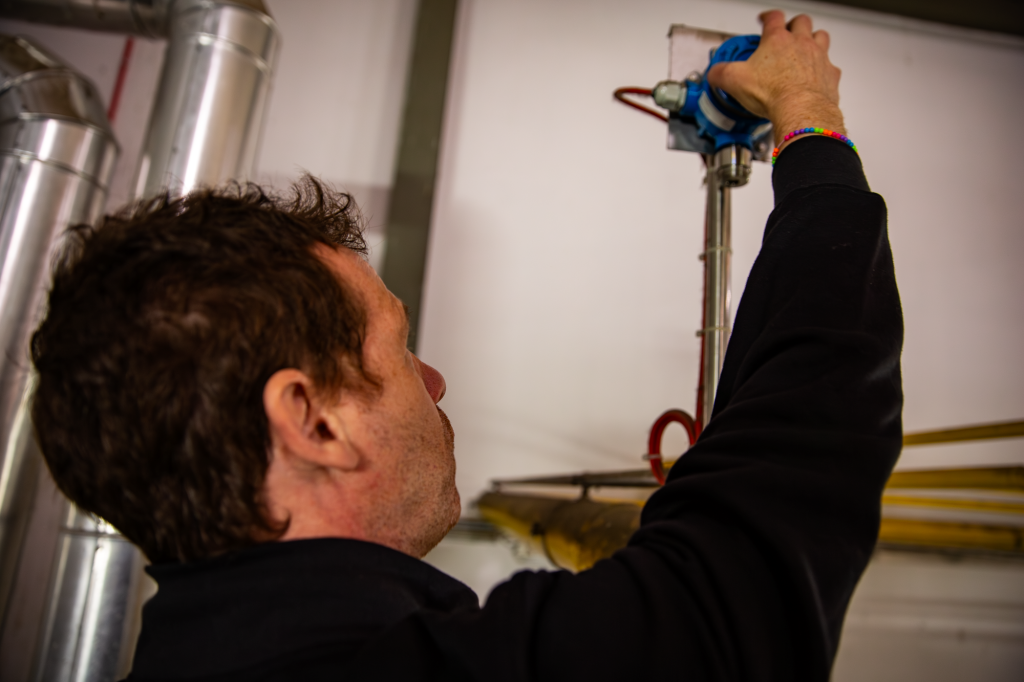
The presence of harmful or flammable gases in a waste treatment plant can endanger the health of operators and cause fires, explosions, or environmental contamination.
Discover our produtcs
Installing a gas detection system in the waste and recycling sector is more than just a protective measure: it increases system reliability, improves work quality, and contributes to environmental sustainability. In an evolving sector, challenged to reduce environmental impact and improve operational performance, gas monitoring provides an additional guarantee for safe and responsible work.
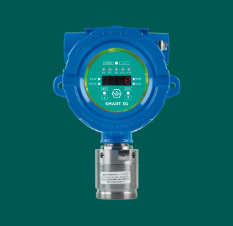
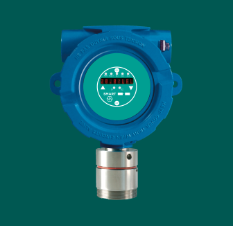
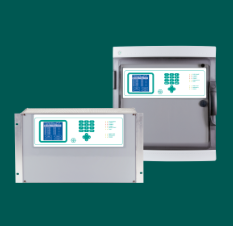
Rely on Sensitron's expertise
For over 35 years, Sensitron has been developing gas detection solutions designed to ensure safety, reliability, and high performance even in the most demanding industrial environments. Founded in 1988 in the province of Milan and now part of the Halma plc group, the company combines research and development, field experience, and regulatory expertise to offer reliable technologies compliant with the highest international standards.
Sensitron systems are designed to detect flammable, toxic, refrigerant, and oxygen gases and are used in numerous sectors: industry, energy, infrastructure, healthcare, construction, and marine applications. All products are CE tested and certified and designed to ensure accurate and long-lasting performance.