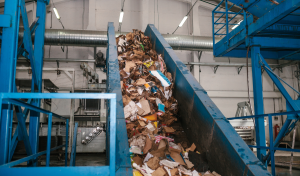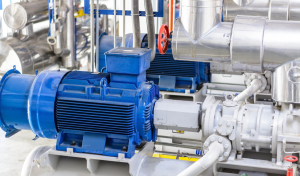
In industrial storage areas, safety is not only about the integrity of the goods, but also the health of those who work there.
Air quality can be compromised by emissions of gases, chemical vapours or particulates, generated both by the materials stored and by handling activities. In closed warehouses, cold rooms, chemical storage facilities or automated logistics centres, poor ventilation and the presence of hazardous substances can create unhealthy or dangerous atmospheres without any immediate visible signs.
Index
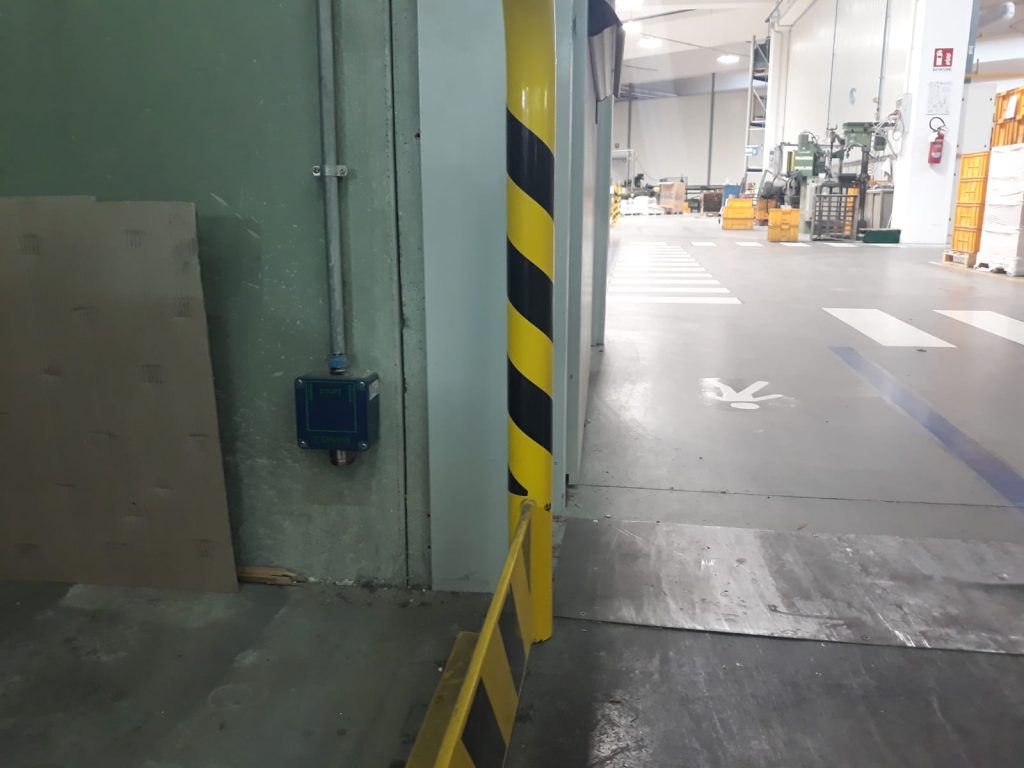
Air quality in storage areas: why it is important to measure it
An air quality monitoring system is not only a safety requirement, but also a tool for protecting:
- The health of personnel, by preventing exposure to toxic gases or unsafe oxygen levels
- Goods, reducing the risk of contamination or degradation
- Infrastructure, preventing damage from corrosive gases or fires
- Operational continuity, avoiding downtime due to environmental emergencies
Furthermore, in many industries, monitoring is an integral part of regulatory compliance procedures (Legislative Decree 81/08, ATEX, environmental regulations).
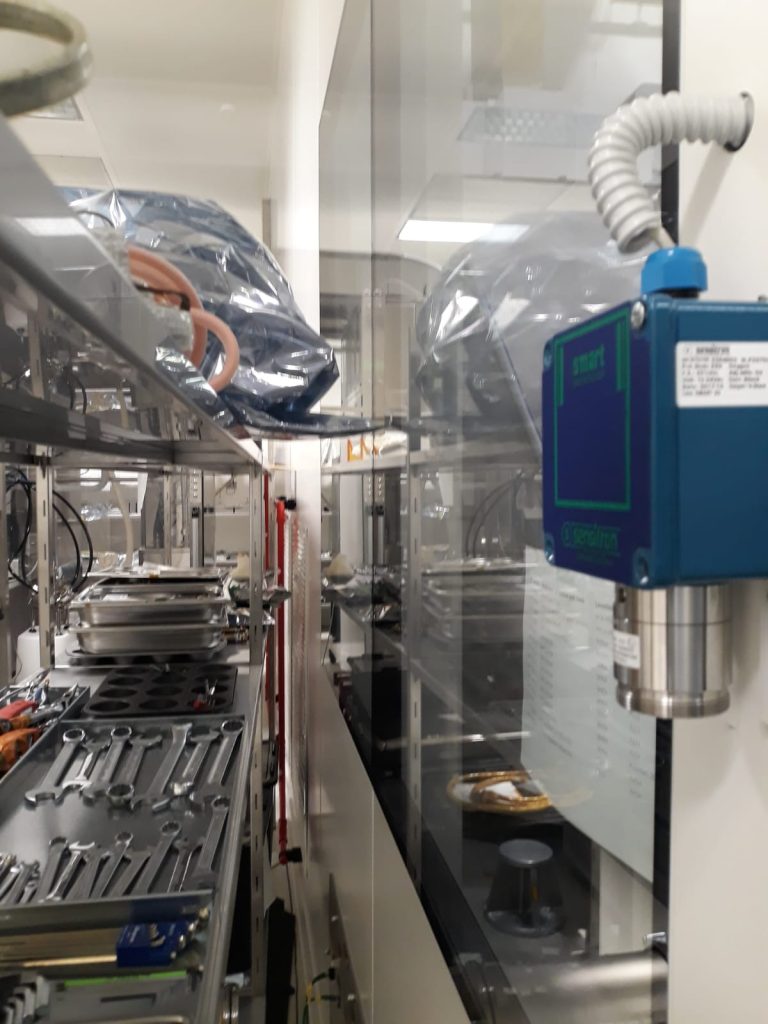
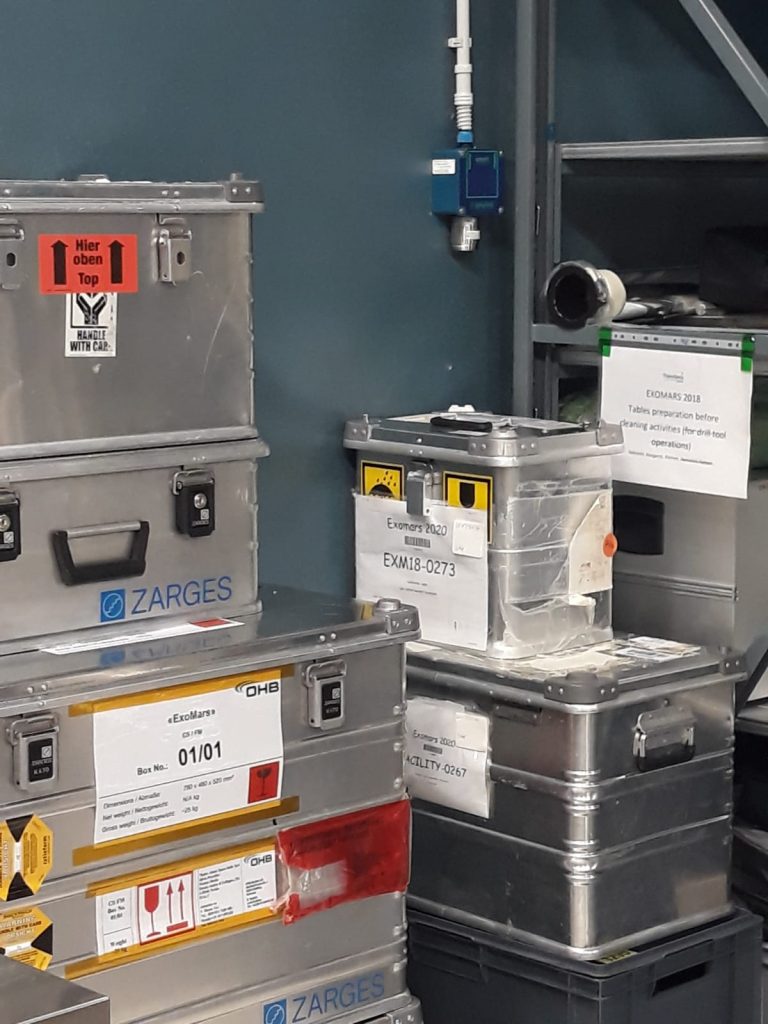
Main sources of air pollution in warehouses
Air contamination in storage environments can come from a bunch of sources, including:
- Emissions from stored materials: solvents, refrigerant gases, fuel vapours, or chemicals
- Use of internal combustion vehicles: diesel, petrol, or LPG forklifts and pallet trucks that produce carbon monoxide and NOx
- Refrigeration or air conditioning systems: possible leaks of ammonia, CO₂ or fluorinated gases
- Loading/unloading processes: release of dust, VOCs or gases from containers and tanks
- Asphyxiating atmospheres: presence of inert gases that reduce oxygen concentration
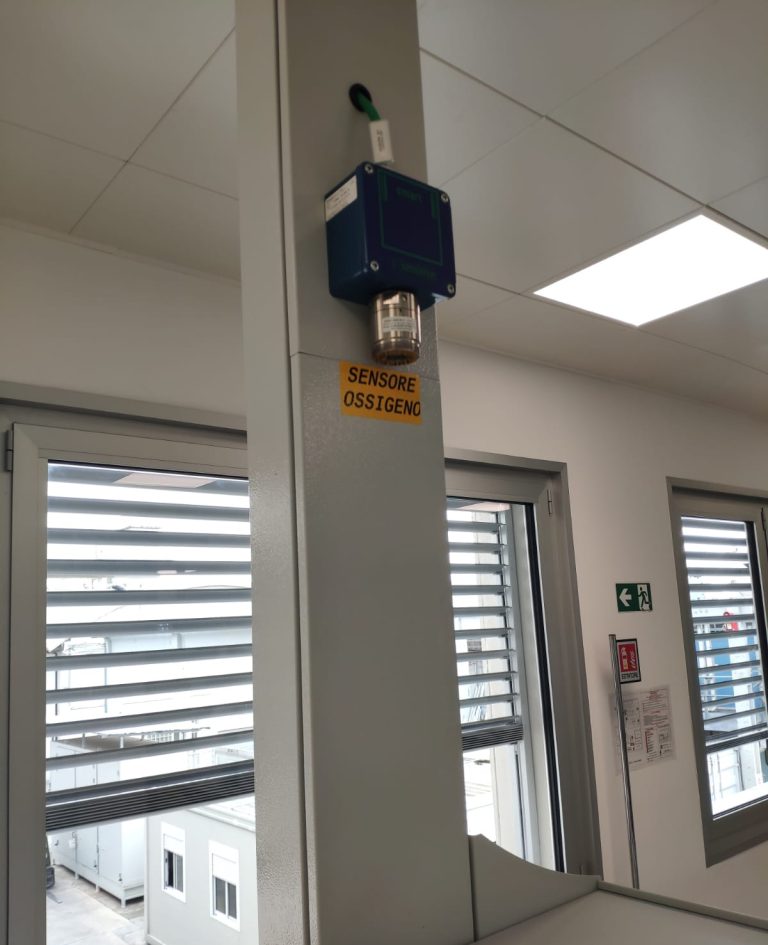
Air quality: which gases to monitor
In an air quality monitoring programme for warehouses, it is advisable to monitor:
- Carbon monoxide (CO) – toxic, produced by internal combustion engines
- Nitrogen dioxide (NO₂) – derived from industrial vehicle exhaust gases
- Refrigerant gases (R404A, R134a, ammonia, CO₂) – toxic, flammable or with a high environmental impact
- Volatile organic compounds (VOCs) – emitted by solvents, paints, glues, fuels
- Oxygen (O₂) – essential monitoring to avoid hypoxic or hyperoxygenated atmospheres
Technologies for monitoring air quality in storage areas
The choice of technology depends on the type of substances to be detected and the characteristics of the environment. Among the most effective are:
- Infrared (IR) sensors: for flammable gases and CO₂, resistant to humidity and dust
- Electrochemical sensors: for toxic gases such as CO, NO₂, NH₃, Cl₂
- PID (photoionisation detector) sensors: for VOCs and industrial vapours
- Catalytic sensors: for combustible gases, economical and reliable
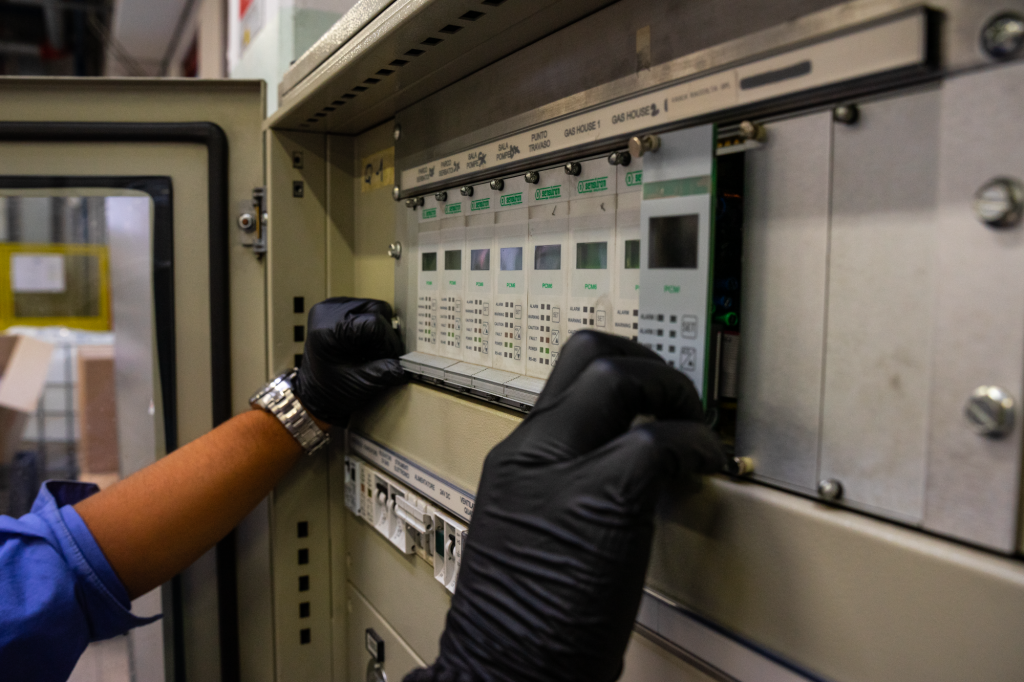
The advantages of a continuous gas detection system
Integrating a gas detection system to monitor air quality in storage areas brings concrete benefits:
- Constant protection of workers and goods
- Rapid response in case of emergency
- Reduced risk of fire, explosion or contamination
- Improved regulatory compliance and safety certifications
Discover our produtcs
Sensitron gas detectors are suitable for use in any application:
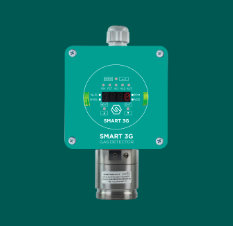
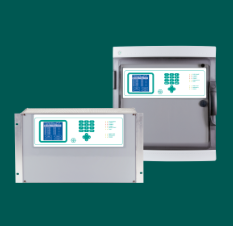
Rely on Sensitron's expertise
For over 35 years, Sensitron has been developing gas detection solutions designed to ensure safety, reliability, and high performance even in the most demanding industrial environments. Founded in 1988 in the province of Milan and now part of the Halma plc group, the company combines research and development, field experience, and regulatory expertise to offer reliable technologies compliant with the highest international standards.
Sensitron systems are designed to detect flammable, toxic, refrigerant, and oxygen gases and are used in numerous sectors: industry, energy, infrastructure, healthcare, construction, and marine applications. All products are CE tested and certified and designed to ensure accurate and long-lasting performance.