Carbon dioxide (CO₂) is a colourless, odourless gas that occurs naturally during various biological and industrial processes. In wineries, its presence is mainly associated with the alcoholic fermentation of grape must, an essential stage of wine production that can generate dangerous concentrations for people working in winemaking areas.
Because CO₂ cannot be detected by the human senses, identifying its accumulation without suitable instruments is particularly difficult. For this reason, CO₂ detection in wineries is an important measure for protecting workers, especially during the grape harvest and the busiest stages of wine production.
Installing gas detection systems, together with proper ventilation and appropriate working procedures, helps identify potentially dangerous situations promptly and enables action to be taken before concentrations reach critical levels.
Index
What processes take place inside wineries?
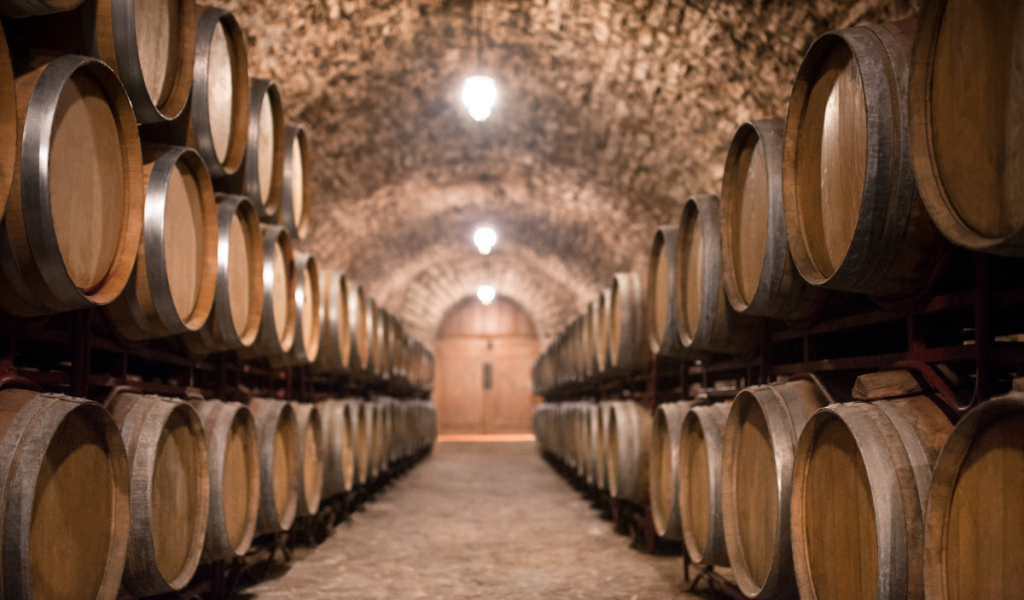
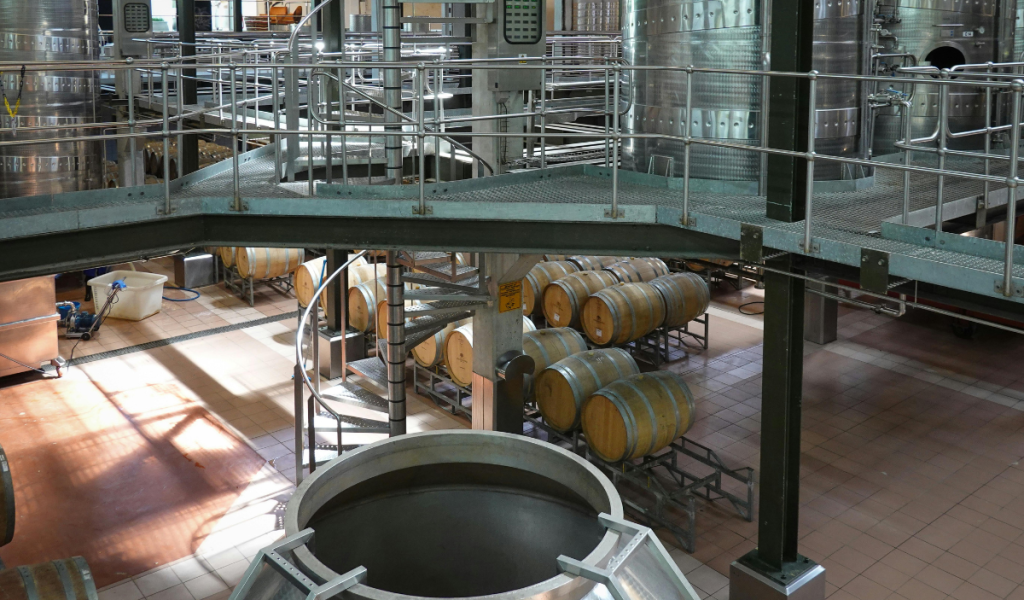
Wine production involves several operations that can release carbon dioxide. The amount produced and the likelihood of gas accumulation depend on the process involved, the characteristics of the premises and the effectiveness of air exchange.
Alcoholic fermentation of grape must
The main source of CO₂ in a winery is alcoholic fermentation, during which yeast converts the sugars in grape must into ethyl alcohol and carbon dioxide.
Significant quantities of gas are released, particularly during the most active stages of fermentation. If air exchange is insufficient, CO₂ can accumulate in production areas, around tanks and in poorly ventilated spaces.
Racking and grape marc removal
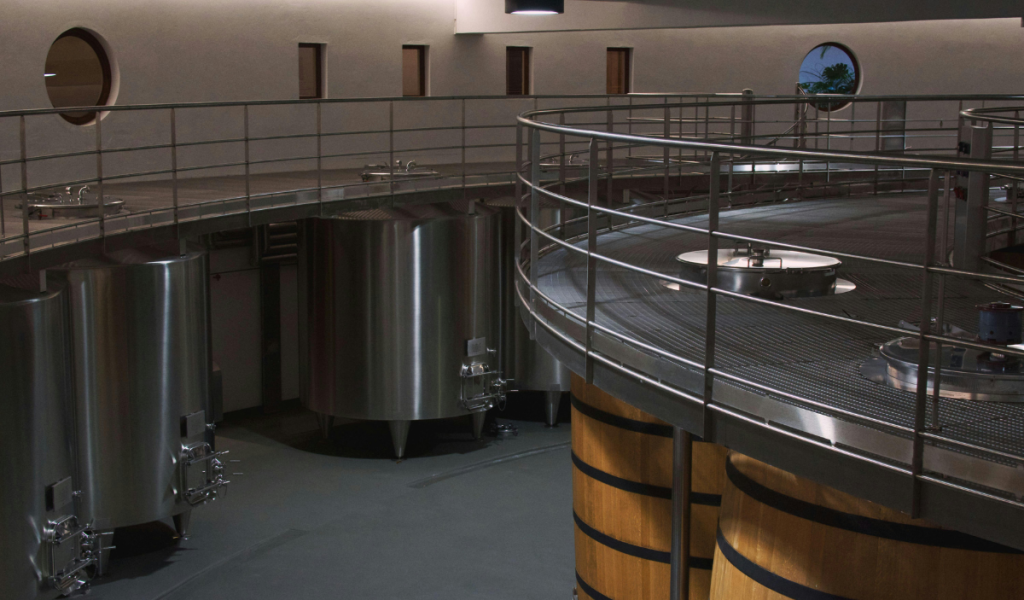
At the end of fermentation, racking and grape marc removal may require workers to carry out tasks directly inside fermentation vats. During these operations, workers may be exposed to hazardous atmospheres, particularly when working inside or near vessels and in areas with limited ventilation.
Entry into fermentation vats requires specific precautions: insufficient oxygen levels or high CO₂ concentrations can quickly put a worker’s life at risk.
Cleaning tanks and autoclaves
Cleaning and maintenance operations also require particular attention. In some cases, manually removing residues may require workers to enter tanks, autoclaves or other vessels.
These activities can expose workers to hazardous atmospheres, even when the environment appears clean and shows no obvious signs of contamination.
Risk assessments must therefore consider not only fermentation areas but also technical rooms, low-lying areas within the facility and any spaces where gas could accumulate.
What are the main risks associated with CO₂ in wineries?
CO₂ is often associated with breathing and normal natural processes. However, when present at high concentrations, it can have serious effects on human health.
The main danger lies in its ability to impair breathing and, at high concentrations, cause rapid loss of consciousness and death.
Asphyxiation and breathing difficulties
Carbon dioxide is not simply a gas that displaces oxygen in the air. At high concentrations, it acts directly on the body, disrupting normal respiratory function and causing symptoms that may include headaches, dizziness, shortness of breath, increased respiratory and heart rates, confusion and loss of consciousness.
In the most severe cases, exposure can be fatal within a short time.
Gas accumulation in poorly ventilated areas
CO₂ is denser than air and, under certain conditions, can accumulate in low-lying or poorly ventilated areas. This makes it particularly important to assess how the gas is distributed throughout the premises, rather than limiting monitoring to the areas where workers usually operate.
However, density alone does not determine where gas accumulates. Air currents, temperature, room layout and ventilation systems can all affect its distribution.
Risks during work inside vessels
Fermentation vats, tanks and autoclaves can present hazardous conditions during cleaning, maintenance and residue removal. The absence of odours or visible warning signs does not mean that the atmosphere is safe.
Another risk arises from improvised rescue attempts. Anyone entering a contaminated environment without appropriate equipment and training may also become a victim. For this reason, emergency procedures must specify appropriate intervention methods and prohibit unplanned entry into confined spaces.
Why is CO₂ detection important in wineries?
CO₂ detection makes it possible to monitor gas concentrations in the workplace and promptly identify potentially hazardous conditions.
In wineries, where fermentation can generate large quantities of carbon dioxide in a relatively short time, relying solely on ventilation or workers’ awareness is not sufficient.
A detection system designed around the specific characteristics of the facility can help to:
- Identify CO₂ accumulation, even when the gas cannot be detected by the human senses.
- Trigger alarms when concentrations exceed the configured thresholds.
- Activate ventilation systems, where предусмотрed by the system design, or other safety measures.
- Protect workers during fermentation, handling, cleaning and maintenance operations.
- Support emergency management through timely alerts and established procedures.
Detector locations must be selected with consideration for emission sources, the layout of the premises, air movement and potential accumulation areas. Where fermentation vats and tanks are present, the risks associated with entering these vessels must also be assessed separately.
Continuous monitoring does not replace ventilation, risk assessments, worker training or confined-space procedures. It is a technical safety measure that must be integrated with other preventive measures.
Which CO₂ concentrations are important to know?
Carbon dioxide concentration is generally expressed in ppm (parts per million) or as a percentage by volume.
The following values provide an indicative reference:
- 400–500 ppm: a historically representative range for atmospheric CO₂; current outdoor concentrations may be higher.
- 1,000 ppm (0.1%): a value often used as a reference for indoor air quality, but not a universal occupational safety threshold.
- 5,000 ppm (0.5%): an eight-hour time-weighted average exposure limit adopted in several occupational reference guidelines, including those of the ACGIH. Its applicability must be checked against the relevant regulations and criteria.
- 30,000 ppm (3%): a high concentration associated with significant and potentially dangerous physiological effects.
- 80,000 ppm (8%): an extremely dangerous concentration that can rapidly cause severe effects and loss of consciousness.
These values must not be used as universal operating thresholds when configuring a detection system. Applicable exposure limits and alarm thresholds must be established in accordance with current regulations, the risk assessment and the characteristics of the activity. In particular, a concentration of 3% must not be regarded as an acceptable level of occupational exposure.
Discover our products
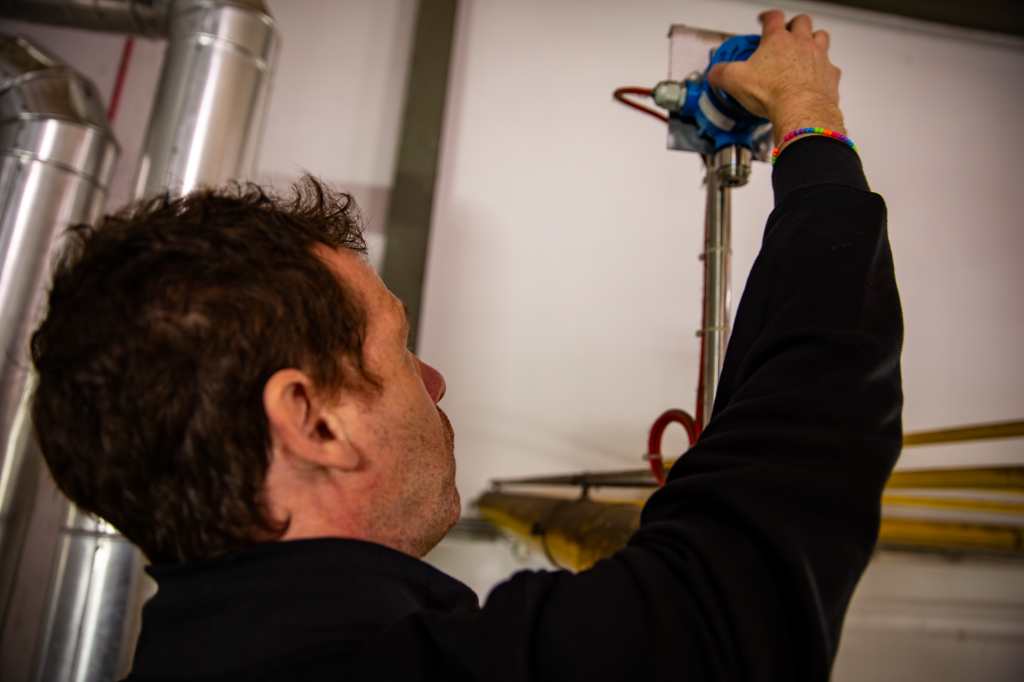
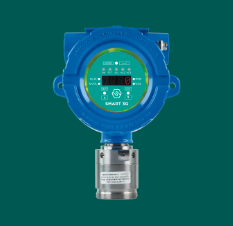
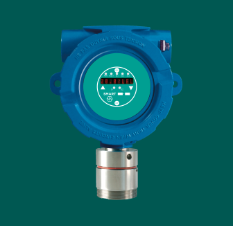
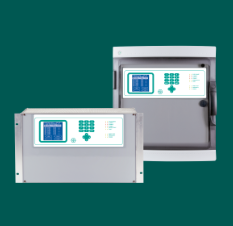
To manage CO₂-related risks, wineries can install fixed gas detection systems designed to monitor areas where the gas is generated or could accumulate.
Sensitron develops gas detection solutions for industrial and professional environments. To identify the most suitable configuration for a winery, it is necessary to consider the type of environment, tank layout, ventilation arrangements and the activities carried out by workers.
Rely on Sensitron's expertise
For over 35 years, Sensitron has been developing gas detection solutions designed to ensure safety, reliability, and high performance even in the most demanding industrial environments. Founded in 1988 in the province of Milan and now part of the Halma plc group, the company combines research and development, field experience, and regulatory expertise to offer reliable technologies compliant with the highest international standards.
Sensitron systems are designed to detect flammable, toxic, refrigerant, and oxygen gases and are used in numerous sectors: industry, energy, infrastructure, healthcare, construction, and marine applications. All products are CE tested and certified and designed to ensure accurate and long-lasting performance.