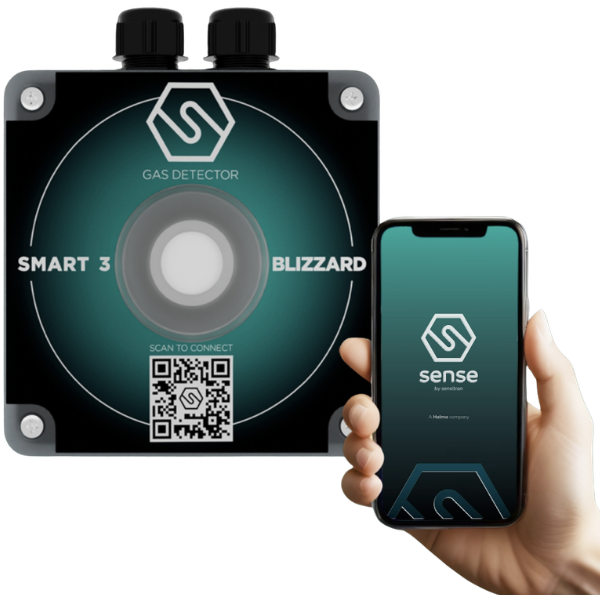
SMART 3 BLIZZARD + SENSE
WHAT WE DO

GAS DETECTION
WORLDWIDE.

Founded in 1988 in the province of Milan,
Sensitron became part of the Halma plc group in 2021. Always focused on innovation and technology,
its in-house research and development department enhances
Sensitron solutions with the aim of ensuring
the safety of people, environments
and the ecosystem we live in.
PRODUCT SERIES

certified products for all applications

The product range consists of fixed gas detection systems,
made up of detectors and control panels, for all applications.

CONTROL PANELS
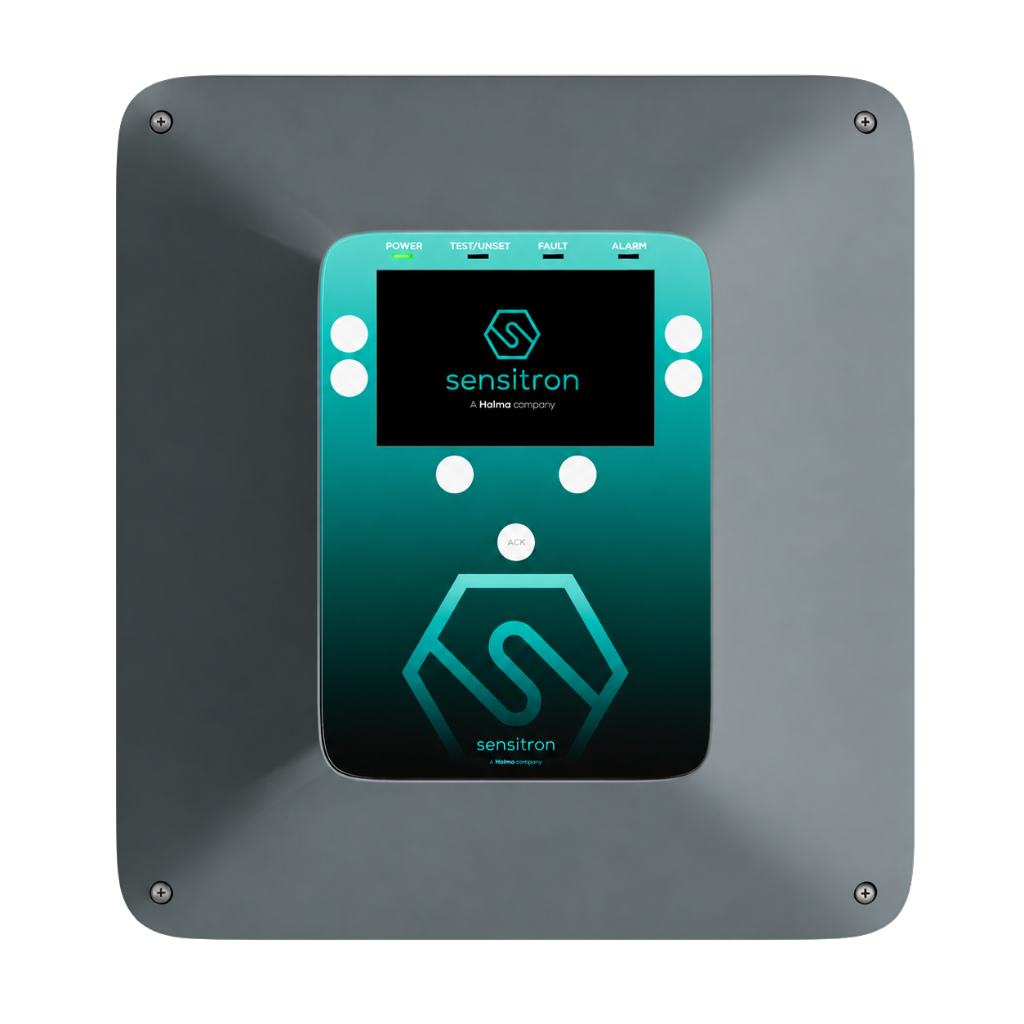
nuova centrale con viti

Control panels are control units designed
to work in small and large systems, across all application fields, both in classified and non-classified areas.
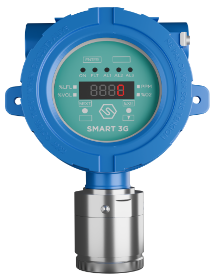
SMART
3G

The SMART 3G series
gas detectors are suitable for every
type of application.

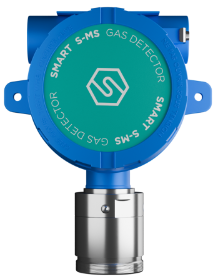
SMART
S

rilevatore gas smart s-ms

Thanks to their high level of customisation, the
SMART-S series gas detectors
are designed for the most stringent industrial
standards.
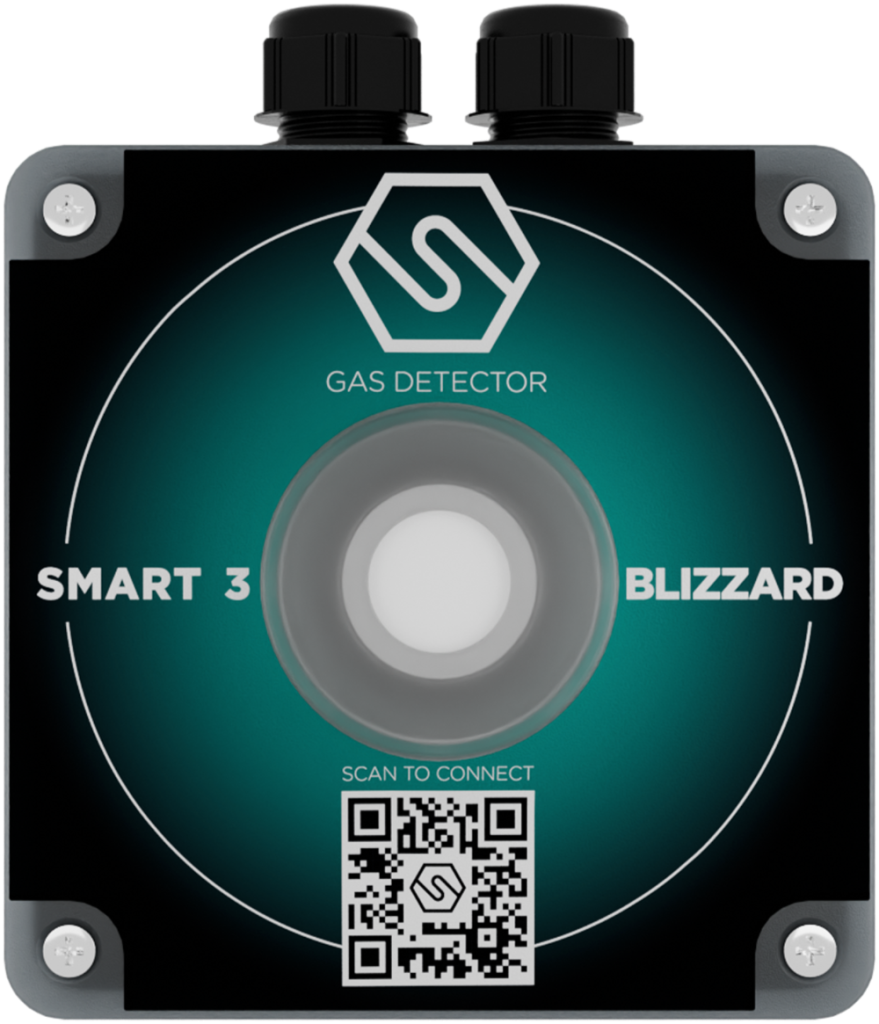
SMART
3

smart 3 blizzard

The SMART 3 series gas detectors are designed for use in non-classified areas.

SMART
PK

The PK gas detection system is designed to meet the European standard EN 50545-1. To operate, SMART P detectors need to be connected to a control unit, such as the Multiscan++PK.

DETECTORS

PORTABLE

UNOIQ

The right portable gas detection solution to match the number and type of gas sensors needed to protect personnel and the environment.

FILE
BIM
BIM (Building Information Modeling) is a digital approach to project delivery
that makes it possible to use 3D models instead of design drawings,
fostering collaboration and ensuring
access to always up-to-date
information, while reducing the rate of errors. This technology makes it possible to
create an information model containing the data needed at every stage of the
design process.

CERTIFIED PRODUCTS

TO INTERNATIONAL STANDARDS

All products in the Sensitron catalogue have been tested and have received international certifications. Risk reduction, performance assessment, information transmission and reception systems, health requirements, performance evaluation, marketing and environmental care.

prodotti-certificati

Contact us for more information

I GAS

WE DETECT BEYOND

100 TYPES OF GAS

We offer gas detection solutions capable of detecting over 100
types of gas, including flammable, toxic, refrigerant, oxygen and inert gases.
GASES
NH3
GPL
H2
CH4
C3H6O
CO2
VOC
R32
R152a
CO
O2
CL2
O3
C3H8
C6H5CH3
C4H10
NO2

>>>

AMMONIA

FLAMMABLE

FIRE AND/OR EXPLOSION RISK
ALSO DETECTABLE BY TOXICITY
The thermal reaction takes place in the presence, in the right proportion and simultaneously, of:
IGNITION ENERGY
TRIGGER SOURCE
FUEL
GAS OR DUST
COMBURANT
OXYGEN

>>>

LPG

FLAMMABLE

FIRE AND/OR EXPLOSION RISK
The thermal reaction takes place in the presence, in the right proportion and simultaneously, of:
IGNITION ENERGY
TRIGGER SOURCE
FUEL
GAS OR DUST
COMBURANT
OXYGEN

>>>

HYDROGEN

FLAMMABLE

FIRE AND/OR EXPLOSION RISK
ALSO DETECTABLE BY TOXICITY
The thermal reaction takes place in the presence, in the right proportion and simultaneously, of:
IGNITION ENERGY
TRIGGER SOURCE
FUEL
GAS OR DUST
COMBURANT
OXYGEN

>>>

METHANE

FLAMMABLE

FIRE AND/OR EXPLOSION RISK
The thermal reaction takes place in the presence, in the right proportion and simultaneously, of:
IGNITION ENERGY
TRIGGER SOURCE
FUEL
GAS OR DUST
COMBURANT
OXYGEN

>>>

ACETONE

FLAMMABLE

FIRE AND/OR EXPLOSION RISK
The thermal reaction takes place in the presence, in the right proportion and simultaneously, of:
IGNITION ENERGY
TRIGGER SOURCE
FUEL
GAS OR DUST
COMBURANT
OXYGEN

>>>

CARBON DIOXIDE

TOXYC

RISK OF
POISONING
Toxic gases can have very dangerous physiological effects on humans. It is essential to ensure that workers are not exposed to such levels of toxicity.
TLV - STEL
Maximum concentration to which workers may be exposed for a maximum period of 15 minutes without being harmed.
TLV - TWA
Time-averaged concentration, 8 hours or 48 hours, to which workers can be repeatedly exposed over time without suffering harmful effects.
TLV
Limit value of toxic gas concentrations in working environments to which workers may be exposed over time without suffering harmful effects.

>>>

VOC

TOXYC

RISK OF
POISONING
Toxic gases can have very dangerous physiological effects on humans. It is essential to ensure that workers are not exposed to such levels of toxicity.
TLV - STEL
Maximum concentration to which workers may be exposed for a maximum period of 15 minutes without being harmed.
TLV - TWA
Time-averaged concentration, 8 hours or 48 hours, to which workers can be repeatedly exposed over time without suffering harmful effects.
TLV
Limit value of toxic gas concentrations in working environments to which workers may be exposed over time without suffering harmful effects.

>>>

R32

REFRIGERANT

DETECTABLE FOR INFIAMMABILITY
OR TOXICITY
Refrigerants are substances which, when subjected to certain pressures, absorb considerable amounts of heat, changing from the liquid to the gaseous state and reaching considerably low temperatures.
GROUP A/B
Based on toxicity in relation to ppm, refrigerant gases fall into Group A or Group B.
CLASS 1/2/3
Depending on their flammability, gases fall into class 1, 2 or 3.
A1L / A2L
To define refrigerant gases, the categories A1L and A2L are used, where the first letter represents the group to which it belongs, the number the class, L the low flame spread rate.

>>>

R152a

REFRIGERANT

DETECTABLE FOR INFIAMMABILITY
OR TOXICITY
Refrigerants are substances which, when subjected to certain pressures, absorb considerable amounts of heat, changing from the liquid to the gaseous state and reaching considerably low temperatures.
GROUP A/B
Based on toxicity in relation to ppm, refrigerant gases fall into Group A or Group B.
CLASS 1/2/3
Depending on their flammability, gases fall into class 1, 2 or 3.
A1L / A2L
To define refrigerant gases, the categories A1L and A2L are used, where the first letter represents the group to which it belongs, the number the class, L the low flame spread rate.

>>>

CARBON MONOXIDE

TOXYC

RISK OF
POISONING
Toxic gases can have very dangerous physiological effects on humans. It is essential to ensure that workers are not exposed to such levels of toxicity.
TLV - STEL
Maximum concentration to which workers may be exposed for a maximum period of 15 minutes without being harmed.
TLV - TWA
Time-averaged concentration, 8 hours or 48 hours, to which workers can be repeatedly exposed over time without suffering harmful effects.
TLV
Limit value of toxic gas concentrations in working environments to which workers may be exposed over time without suffering harmful effects.

>>>

OXYGEN

FLAMMABLE

RISK OF FIRE
AND/OR EXPLOSION
Enrichment, decrease or to monitor inert gases.
DECREASE
The human organism does not experience breathing difficulties up to a minimum oxygen level of 19.5%. It is important to monitor this so that it never falls below 18-19%. This condition is called oxygen deficiency.
ENRICHMENT
Oxygen enrichment increases flammability in the atmosphere and human toxicity when it exceeds 24% concentration
INTERT GASES
Inert gases can reduce the oxygen concentration in the environment causing asphyxia.

>>>

CHLORINE

TOXYC

RISK OF
POISONING
Toxic gases can have very dangerous physiological effects on humans. It is essential to ensure that workers are not exposed to such levels of toxicity.
TLV - STEL
Maximum concentration to which workers may be exposed for a maximum period of 15 minutes without being harmed.
TLV - TWA
Time-averaged concentration, 8 hours or 48 hours, to which workers can be repeatedly exposed over time without suffering harmful effects.
TLV
Limit value of toxic gas concentrations in working environments to which workers may be exposed over time without suffering harmful effects.

>>>

OZONE

TOXYC

RISK OF
POISONING
Toxic gases can have very dangerous physiological effects on humans. It is essential to ensure that workers are not exposed to such levels of toxicity.
TLV - STEL
Maximum concentration to which workers may be exposed for a maximum period of 15 minutes without being harmed.
TLV - TWA
Time-averaged concentration, 8 hours or 48 hours, to which workers can be repeatedly exposed over time without suffering harmful effects.
TLV
Limit value of toxic gas concentrations in working environments to which workers may be exposed over time without suffering harmful effects.

>>>

PROPANE

FLAMMABLE

RISK OF FIRE
AND/OR EXPLOSION
The thermal reaction takes place in the presence, in the right proportion and simultaneously, of:
IGNITION ENERGY
TRIGGER SOURCE
FUEL
GAS OR DUST
COMBURANT
OXYGEN

>>>

TOLUENE

FLAMMABLE

FIRE AND/OR EXPLOSION RISK
ALSO DETECTABLE AS VOC
The thermal reaction takes place in the presence, in the right proportion and simultaneously, of:
IGNITION ENERGY
TRIGGER SOURCE
FUEL
GAS OR DUST
COMBURANT
OXYGEN

>>>

BUTANE

FLAMMABLE

FIRE AND/OR EXPLOSION RISK
The thermal reaction takes place in the presence, in the right proportion and simultaneously, of:
IGNITION ENERGY
TRIGGER SOURCE
FUEL
GAS OR DUST
COMBURANT
OXYGEN

>>>

NITROGEN DIOXIDE

TOXYC

RISK OF
POISONING
Toxic gases can have very dangerous physiological effects on humans. It is essential to ensure that workers are not exposed to such levels of toxicity.
TLV - STEL
Maximum concentration to which workers may be exposed for a maximum period of 15 minutes without being harmed.
TLV - TWA
Time-averaged concentration, 8 hours or 48 hours, to which workers can be repeatedly exposed over time without suffering harmful effects.
TLV
Limit value of toxic gas concentrations in working environments to which workers may be exposed over time without suffering harmful effects.
BLOG

UPDATES FROM THE WORLD OF

GAS DETECTION

Explore articles and in-depth insights on safety,
regulations and technologies to protect people and plants.
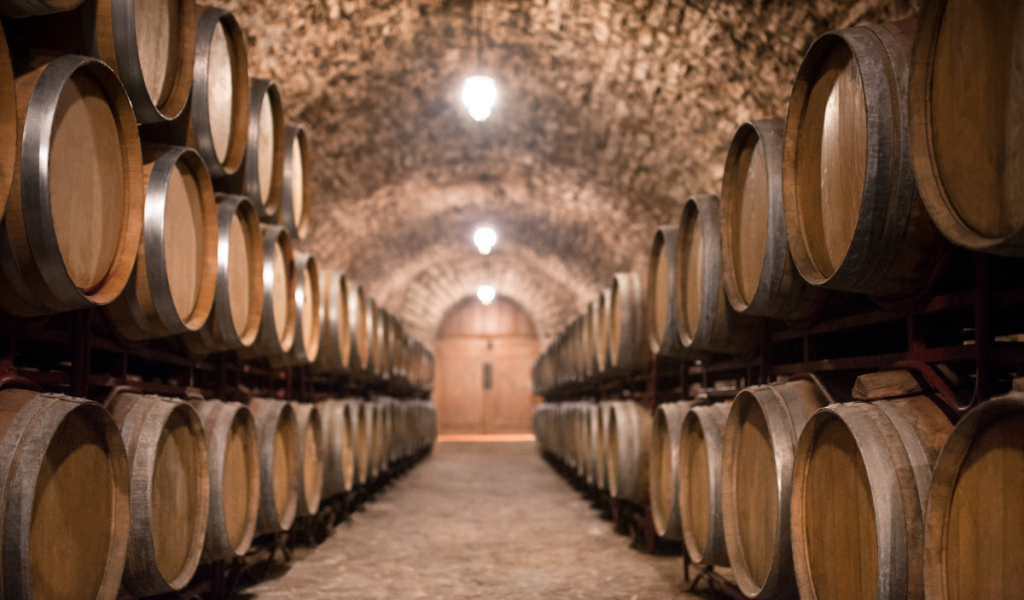
cantina vinicola

CO₂ detection in wineries: risks and safety systems
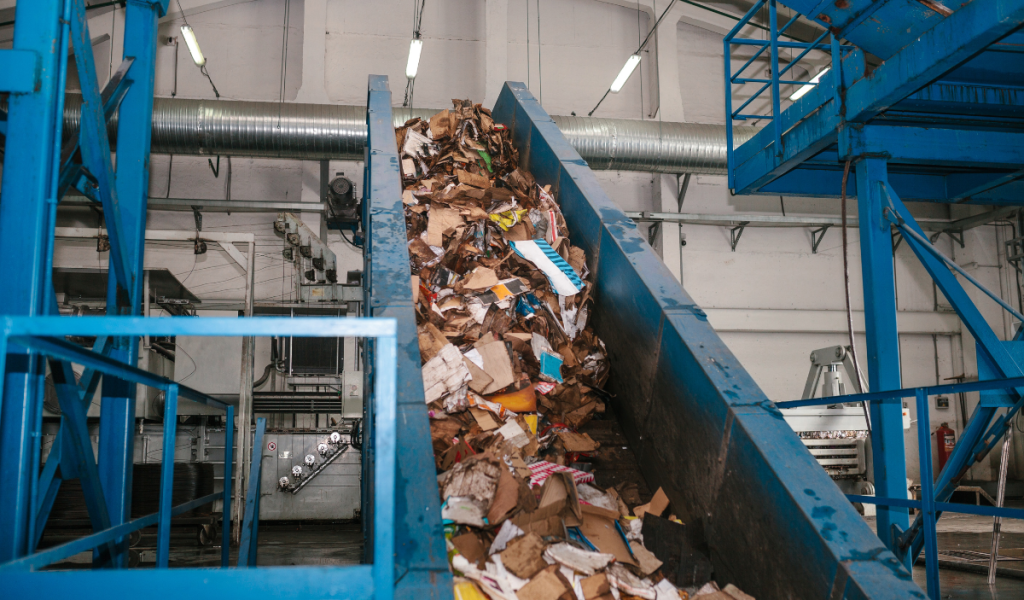
Wine production is a natural process, but significant amounts of carbon dioxide (CO₂) are released during fermentation. This gas can become dangerous when it accumulates in the workplace. In wineries,...
riciclaggio dei rifiuti

Gas detection in waste recycling plants
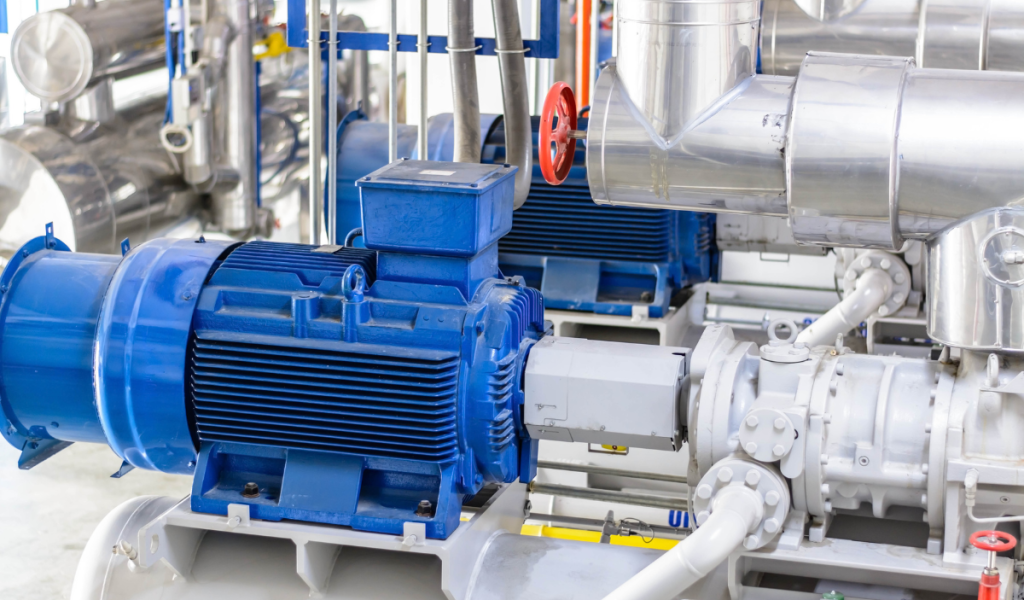
Recycling means giving materials a second life, but it also requires careful management of the risks that can arise during treatment and processing operations. In recycling facilities, the presence of...
sala macchine

Detection of refrigerant gases in engine room

The presence of refrigerant gases in machine rooms requires continuous monitoring to ensure operator safety, system protection, and operational continuity. In this article, we explore the main risks associated with...