Machine rooms are the heart of industrial refrigeration and air conditioning systems. They house compressors, condensers, evaporators, and other equipment that uses refrigerant gases essential to ensuring proper system operation.
Although these fluids are designed to operate within closed circuits, failures, component wear, or maintenance can cause accidental leaks. In these cases, a gas detection system allows for the timely identification of any leaks, reducing risks to people, protecting systems, and limiting downtime.
For this reason, refrigerant gas detection is now a fundamental element both for the safety of technical environments and for compliance with regulations and environmental sustainability objectives.
Index
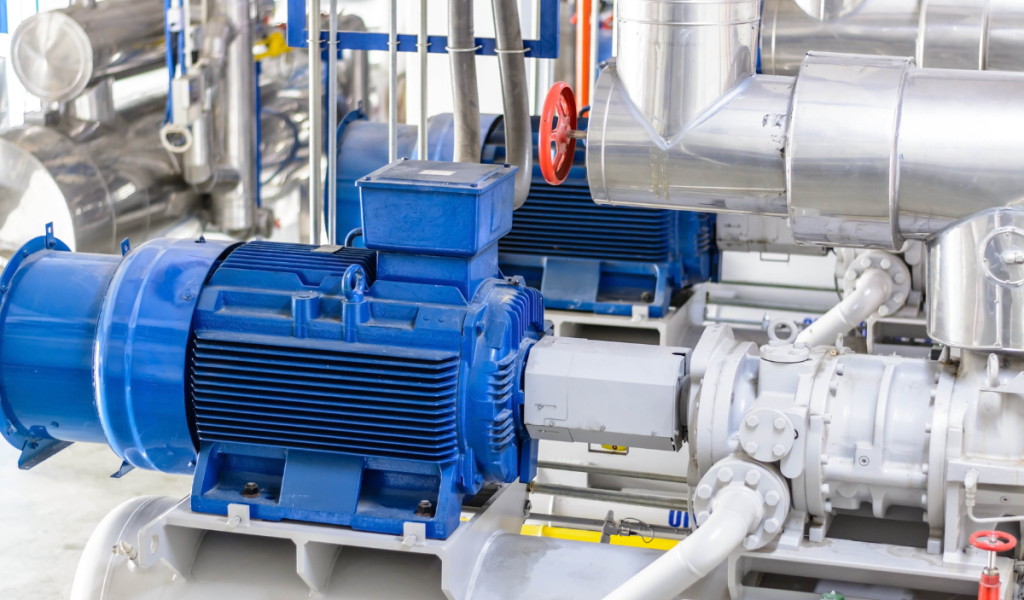
Engine room: where monitoring refrigerant gases is essential
Gas detection is used in all contexts where refrigerants or technical gases are used, the dispersion of which could compromise the safety or continuity of operations.
Industrial refrigeration systems
Refrigeration systems are found in numerous production sectors, including the food, pharmaceutical, chemical, cold storage logistics, and large-scale retail trade. Refrigerants such as ammonia (NH₃) or fluorinated gases (F-gases) are used in these environments, chosen based on the required performance and the system’s characteristics.
Machine rooms house the main refrigeration circuit equipment and are one of the most critical points for monitoring potential leaks. A continuous detection system allows for rapid identification of anomalies, triggering alarms, and enabling timely intervention before the situation becomes dangerous.
Data center
Gas monitoring also plays a strategic role in data centers. The operational continuity of IT infrastructures depends on the reliability of air conditioning systems, which are essential for maintaining proper environmental conditions within server rooms.
In these contexts, it is important to monitor both leaks of refrigerant gases used in air conditioning systems and those used in fire prevention systems. An undetected leak could compromise the proper functioning of the systems, cause service interruptions, or jeopardize the safety of personnel during maintenance operations.
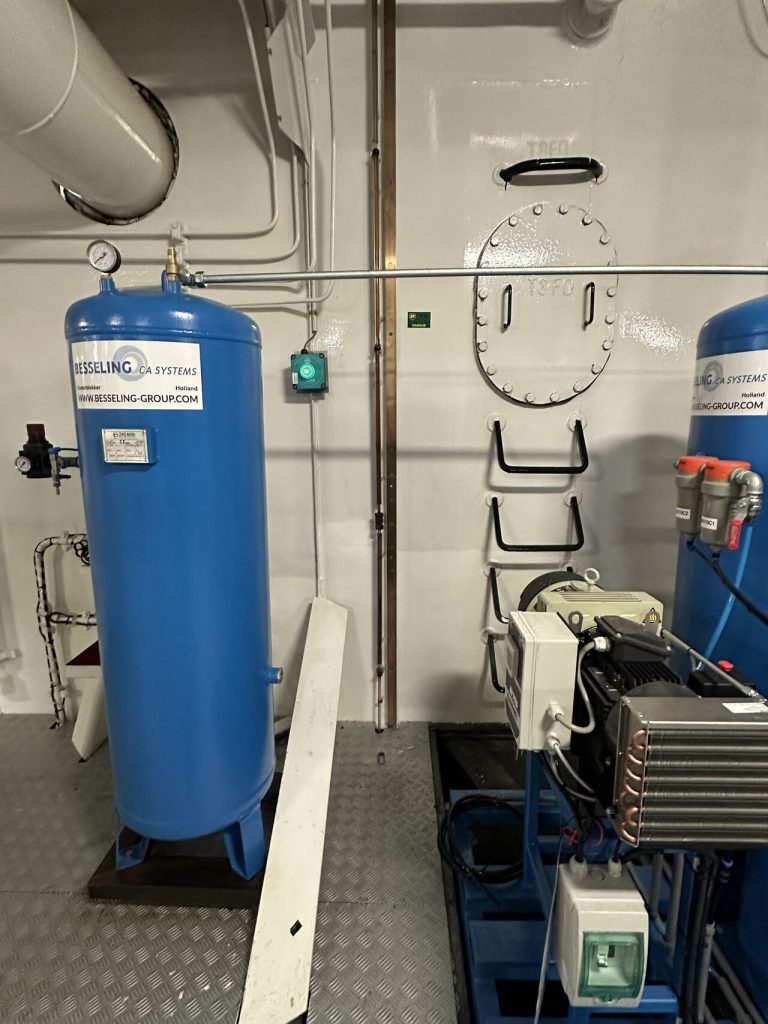
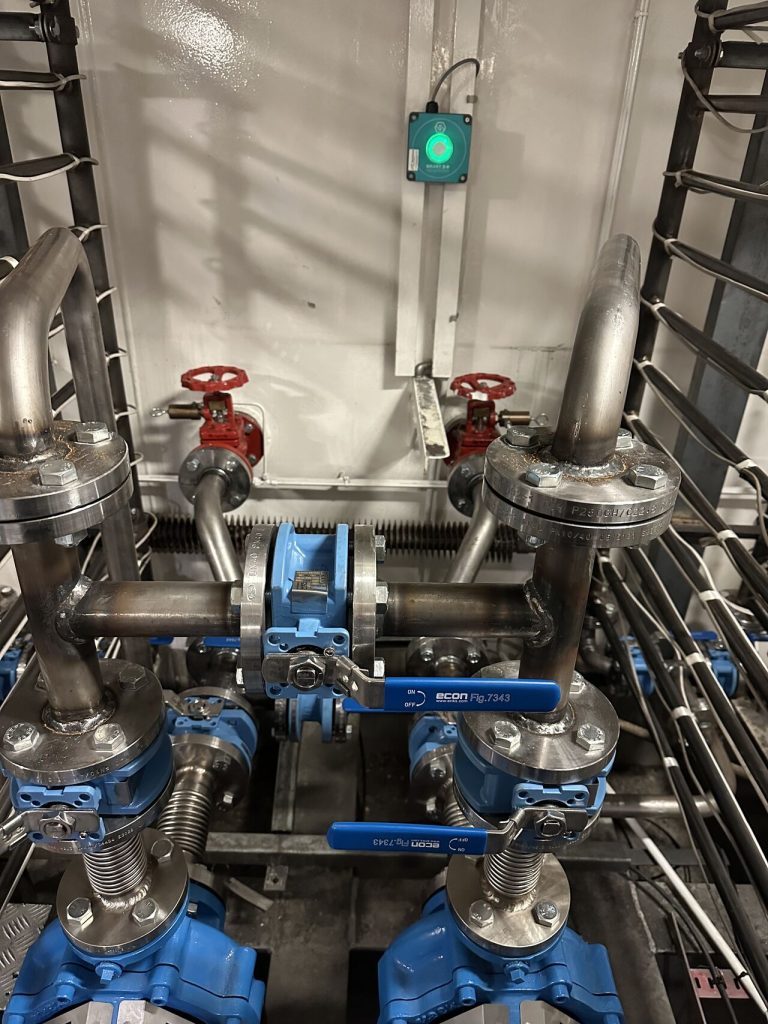
What are the risks of refrigerant gases inside an engine room?
The characteristics of refrigerant gases vary depending on their chemical composition, but all require detection systems designed to ensure continuous and reliable monitoring.
Ammonia (NH₃)
Ammonia is one of the most widely used natural refrigerants in industrial plants due to its high energy efficiency and low environmental impact.
However, it is a toxic, irritating, and, at certain concentrations, flammable gas. Exposure can cause eye and respiratory irritation, while high concentrations can pose a serious health risk to workers.
For this reason, it is essential to install detection systems capable of identifying even small leaks and quickly activating emergency procedures in plants using ammonia.
Fluorinated gases (F-Gases)
F-gases include numerous synthetic refrigerants used in commercial and industrial air conditioning, heat pumps, and refrigeration systems.
Although they generally have low toxicity and are nonflammable in most applications, they can pose a risk in indoor environments. A significant leak can reduce the oxygen concentration in the air, creating potentially dangerous conditions for people.
In addition to safety concerns, many fluorinated gases have a high Global Warming Potential (GWP). For this reason, their monitoring plays an increasingly important role from environmental and regulatory perspectives, helping to limit atmospheric emissions and ensure compliance with current regulations.
In all these contexts, adopting reliable detection systems not only protects people and equipment, but also preserves the efficiency of refrigeration systems, reduces costs associated with refrigerant leaks, and ensures operational continuity.
Discover our refrigerant gas detectors
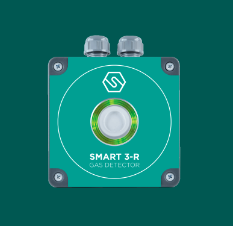
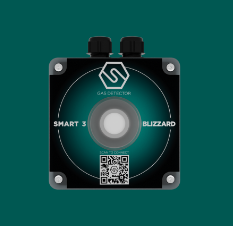
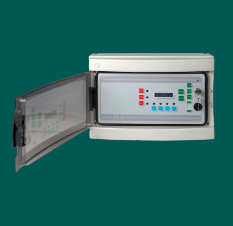
Rely on Sensitron's expertise
For over 35 years, Sensitron has been developing gas detection solutions designed to ensure safety, reliability, and high performance even in the most demanding industrial environments. Founded in 1988 in the province of Milan and now part of the Halma plc group, the company combines research and development, field experience, and regulatory expertise to offer reliable technologies compliant with the highest international standards.
Sensitron systems are designed to detect flammable, toxic, refrigerant, and oxygen gases and are used in numerous sectors: industry, energy, infrastructure, healthcare, construction, and marine applications. All products are CE tested and certified and designed to ensure accurate and long-lasting performance.