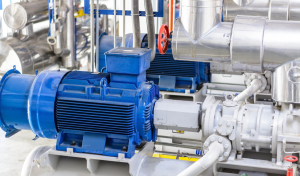
The energy industry is one of the sectors in which risk management is essential to ensuring the safety of facilities and people. From natural gas production and storage to refineries, from hydrogen production plants to biogas and biomass sites, the presence of flammable, toxic, or asphyxiating gases requires reliable monitoring systems and increasingly advanced detection technologies.
In this context, gas detection is not only a tool for preventing accidents, but also a strategic component for ensuring plant operational continuity, compliance with safety regulations, and the achievement of environmental sustainability goals. Promptly identifying even the smallest leaks reduces the risk of explosions, protects operators, and limits atmospheric emissions, helping to make the entire energy system safer, more efficient, and more responsible.
Index

The role of gas detection in the energy sector
The energy sector encompasses a wide range of activities, from raw material extraction to energy production, transformation, storage, and distribution. Accidental gas releases can occur in each of these phases, which, if not detected promptly, pose a significant risk to the safety of people, facilities, and the environment.
Possible leaks can be caused by equipment failures, piping wear, production process anomalies, or maintenance interventions. For this reason, gas detection is now an integral part of industrial safety strategies and is one of the most effective tools for promptly identifying hazardous situations, allowing for the automatic activation of emergency procedures.
Gas monitoring plays a key role in numerous applications, including:
- natural gas production and storage plants;
- refineries and thermoelectric power plants;
- hydrogen production plants and Power-to-Gas systems;
- biogas and biomass plants;
- gas compression, decompression, and distribution stations;
- energy storage systems and infrastructure for the energy transition.
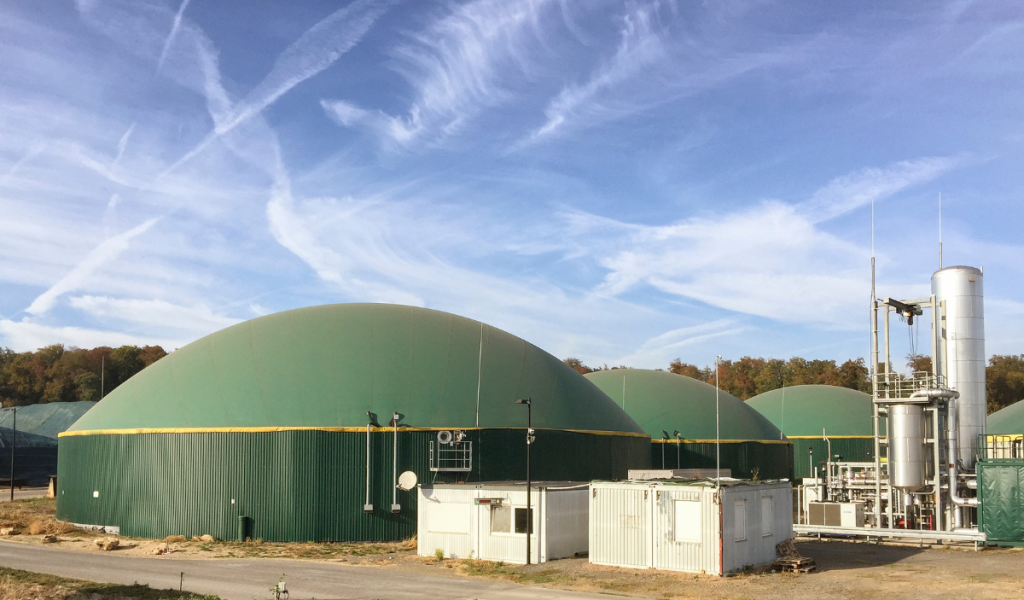
Gas-related risks: why monitoring them is essential
Different types of gases may be present in the energy industry, each with its own specific risk levels. The choice of detection system depends on the properties of the gas being monitored and the operating conditions of the plant.
Flammable gases
Gases such as methane (CH₄), hydrogen (H₂), and propane (C₃H₈) are widely used in energy production, transportation, and storage. In the presence of a leak, they can mix with air to form potentially explosive atmospheres: even a small ignition source is enough to cause fires or explosions with extremely serious consequences.
Of all these gases, hydrogen presents a particularly significant challenge. Being a very light, highly diffusible gas with a wide flammability range, it requires detection systems designed to ensure continuous monitoring and extremely rapid response, especially in facilities dedicated to the production and storage of this energy carrier.
Toxic gases
In addition to flammable gases, numerous systems can generate or use toxic gases, such as carbon monoxide (CO) and hydrogen sulfide (H₂S).
Carbon monoxide is a colorless, odorless gas that can be released during incomplete combustion processes. Its danger stems from its ability to bind to hemoglobin, reducing oxygen transport in the blood and rapidly causing symptoms, even severe ones, upon exposure.
Hydrogen sulfide, on the other hand, is present in various processes in the oil and natural gas industries, and in biogas plants. It is a highly toxic gas that, even at low concentrations, can cause irritation, loss of consciousness, and serious health problems. Furthermore, at high concentrations, it can impair the ability to detect its odor, making the use of automatic detection systems even more essential.
Emissions also have an impact
In addition to safety aspects, gas monitoring is also increasingly important from an environmental perspective. Gases such as methane (CH₄) and carbon dioxide (CO₂) are among the main contributors to the greenhouse effect and are monitored not only to identify leaks but also to support emission reduction strategies, improve plant efficiency, and contribute to achieving sustainability and decarbonization goals.
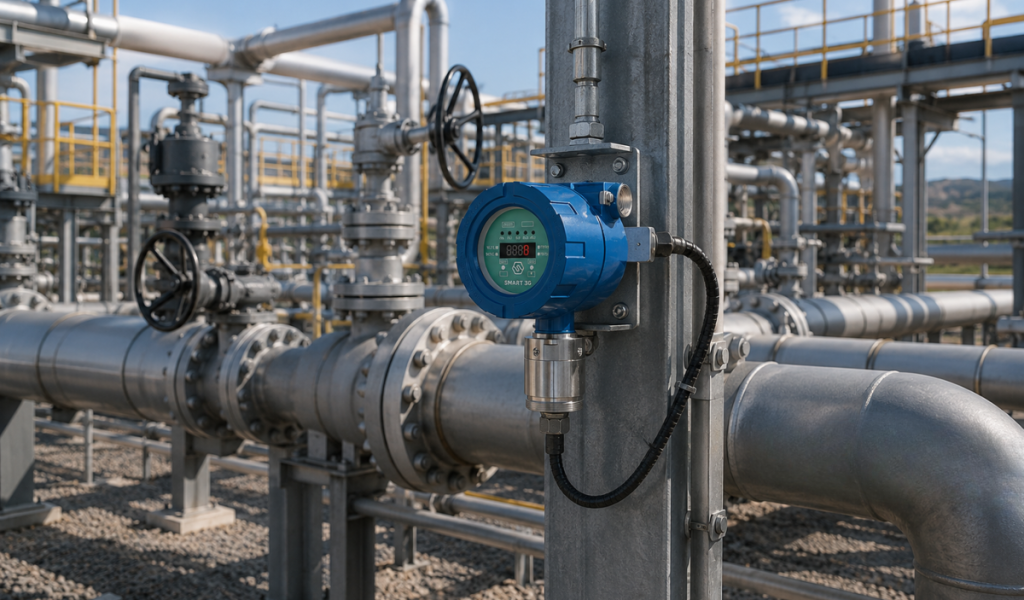
Gas detection technologies for the energy sector
There is no single technology that is suitable for all applications. The choice of detection system depends on several factors, including the type of gas being monitored, environmental conditions, the risk level of the system, and applicable regulations.
To ensure effective monitoring, it is therefore essential to adopt sensors designed to meet the specific needs of each operating context.
Among the main technologies used in the energy sector are:
- Catalytic sensors, particularly suitable for the detection of flammable gases such as methane, propane, and hydrogen. They allow the rapid identification of potentially dangerous concentrations before they reach explosive limits.
- Electrochemical sensors, used for the monitoring of toxic gases such as carbon monoxide (CO), hydrogen sulfide (H₂S), ammonia (NH₃), and other hazardous compounds. They offer high sensitivity and precision even at low concentrations.
- Infrared (IR) sensors, ideal for particularly harsh environments or applications requiring high long-term stability. They are often used for the detection of hydrocarbons and carbon dioxide, ensuring reliable performance even in harsh environmental conditions.
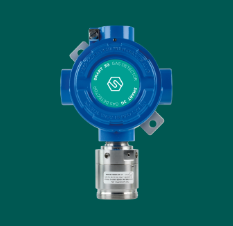
- ATEX-certified detectors, designed to operate in areas with potentially explosive atmospheres, where regulatory compliance is a must for system safety.
Discover our products designed for the energy sector
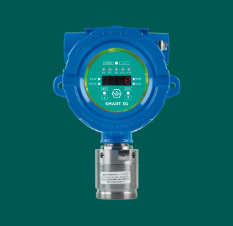

Rely on Sensitron's expertise
For over 35 years, Sensitron has been developing gas detection solutions designed to ensure safety, reliability, and high performance even in the most demanding industrial environments. Founded in 1988 in the province of Milan and now part of the Halma plc group, the company combines research and development, field experience, and regulatory expertise to offer reliable technologies compliant with the highest international standards.
Sensitron systems are designed to detect flammable, toxic, refrigerant, and oxygen gases and are used in numerous sectors: industry, energy, infrastructure, healthcare, construction, and marine applications. All products are CE tested and certified and designed to ensure accurate and long-lasting performance.