In the chemical industry, gas management and control are key aspects in ensuring the safety of operators, plants and the environment. Gas detection is not only a mandatory practice from a regulatory point of view, but also a strategic element to prevent accidents and optimize production processes.
Index
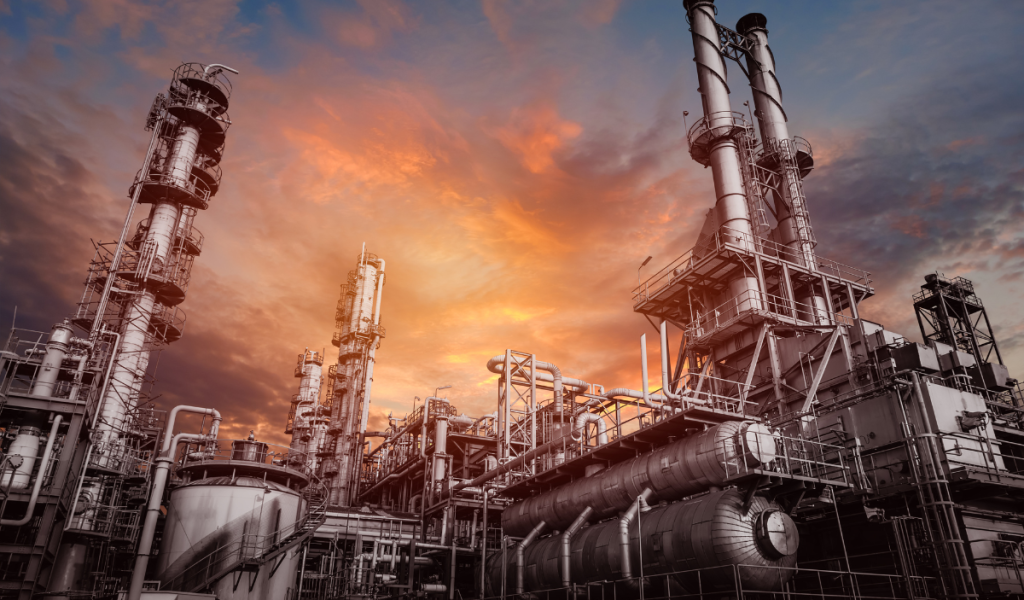
Gas detection in chemical companies
Chemical companies work with a wide range of potentially hazardous substances, such as toxic and flammable gases. Uncontrolled release of these substances can have devastating consequences, including:
- Health hazards: Acute or chronic exposures to toxic gases can cause serious health problems for operators.
- Industrial accidents: The presence of flammable gases increases the risk of explosions and fires.
- Environmental impact: Leakage of harmful gases can damage the surrounding ecosystem.
- Early detection of these gases allows for risk mitigation, protecting not only people but also plants and land. It also helps comply with environmental regulations and maintain high operational standards
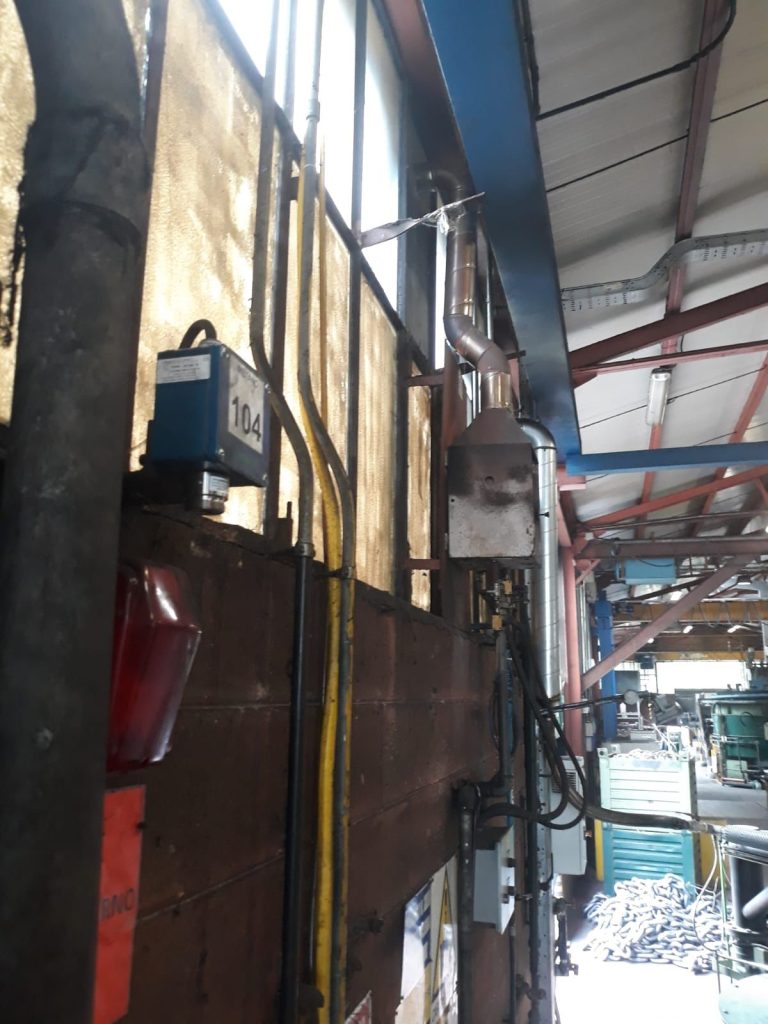
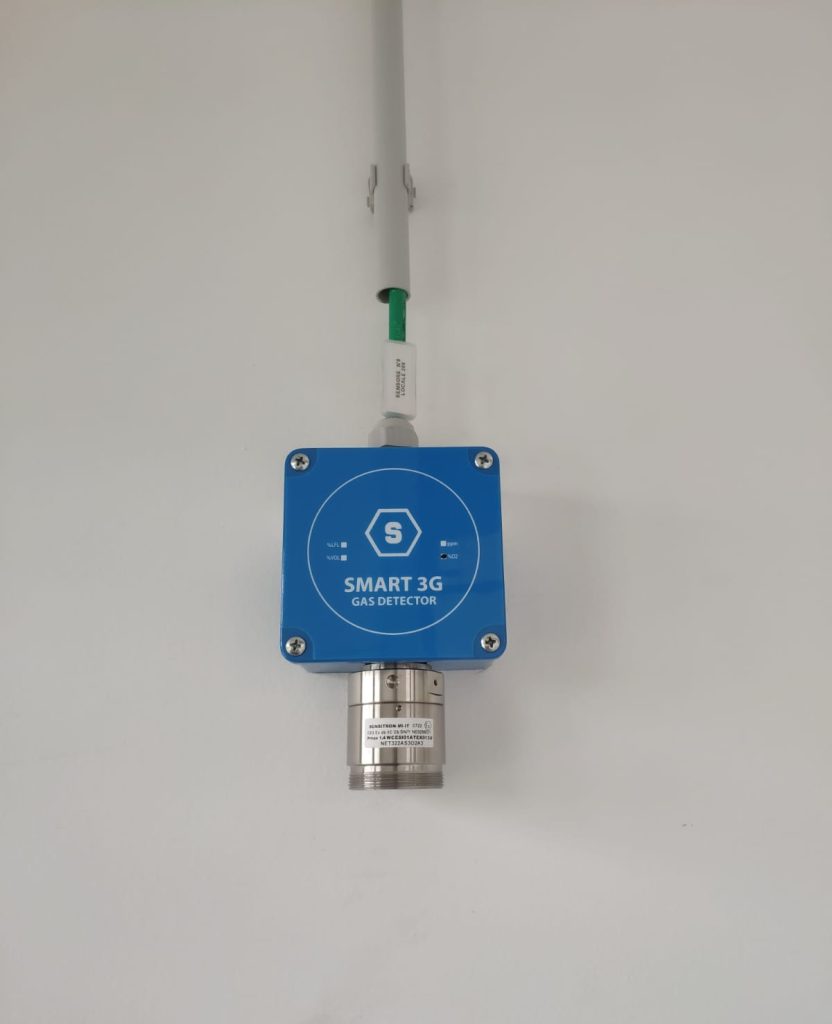
What are the most common gases within a chemical industry?
In the chemical industry, some gases are particularly relevant because of their impact on safety. Some of the most common include:
- Methane (CH4): Flammable gas used as a fuel; its dispersion can lead to explosion hazards.
- Ammonia (NH3): Used in many industrial processes, it is toxic and corrosive.
- Chlorine (Cl2): Essential in several chemical sectors, but highly toxic even at low concentrations.
- Carbon Monoxide (CO): A colorless and odorless gas, it is extremely dangerous to human health.
- Carbon Dioxide (CO2): Although non-toxic in small concentrations, it can cause asphyxiation in confined environments.
- Hydrogen Sulfide (H2S): A toxic gas with a characteristic smell of rotten eggs, it is dangerous even at relatively low concentrations.
Knowledge of the most common gases and their characteristics is essential for choosing the most appropriate detection technologies. Conscious management of hazardous substances can significantly reduce risks and ensure greater operational efficiency.
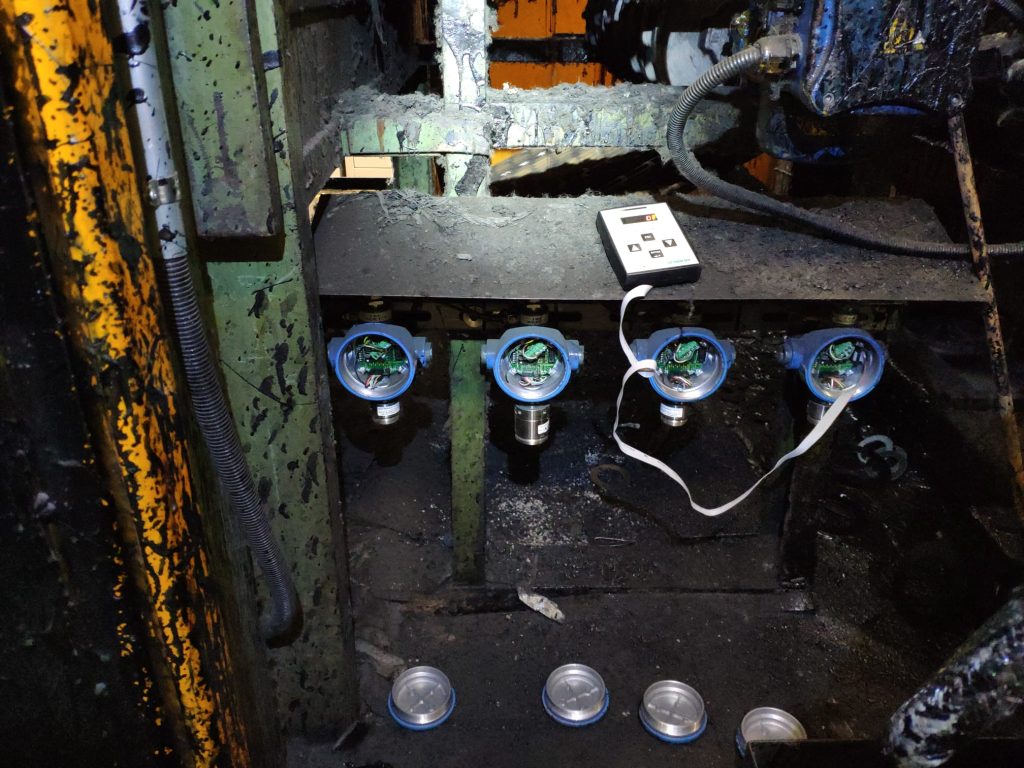
What technologies are used for gas detection in the chemical industry?
Thanks to technological advances, it is now possible to monitor the presence of gases with highly advanced instruments designed to operate in complex industrial environments. Among the main technologies used are:
- Infrared detectors: Ideal for gases such as methane and carbon dioxide, offering accuracy and resistance to environmental interference.
- Electrochemical sensors: Used for toxic gases such as carbon monoxide and chlorine, they provide fast and accurate responses.
- Photoionization detectors (PIDs): Suitable for detecting volatile organic compounds (VOCs), they offer high sensitivity and accuracy.
- Catalytic detectors: Used for flammable gases, they are robust and reliable, although they require regular maintenance.
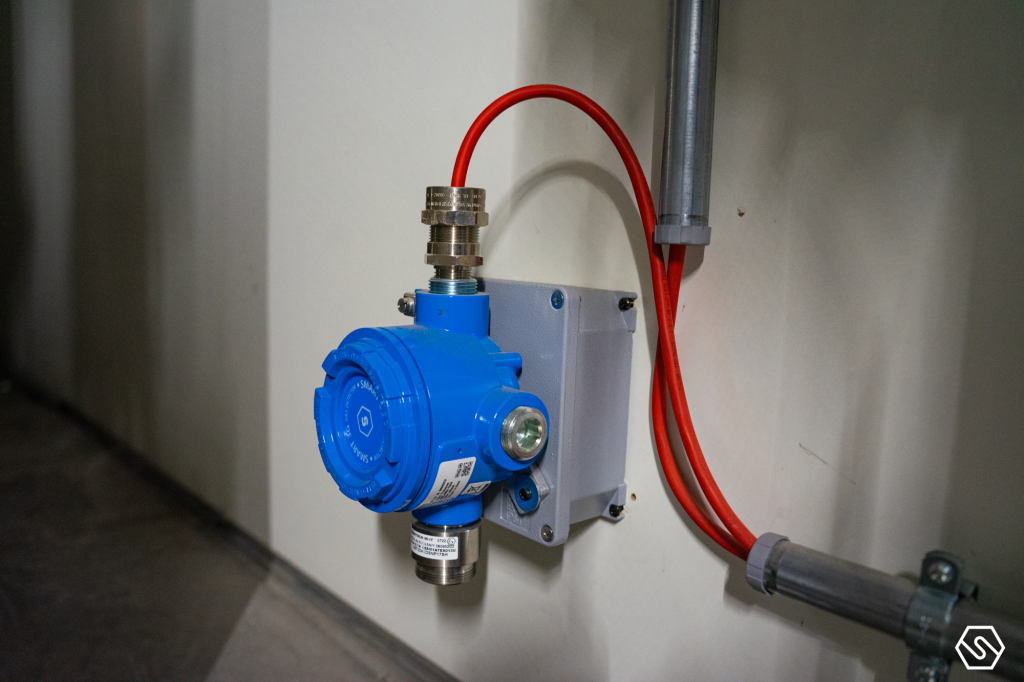
Discover our produtcs
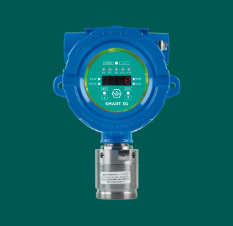
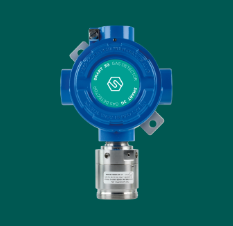
Sensitron gas detectors are suitable for use in any application:

Rely on Sensitron's expertise
For over 35 years, Sensitron has been developing gas detection solutions designed to ensure safety, reliability, and high performance even in the most demanding industrial environments. Founded in 1988 in the province of Milan and now part of the Halma plc group, the company combines research and development, field experience, and regulatory expertise to offer reliable technologies compliant with the highest international standards.
Sensitron systems are designed to detect flammable, toxic, refrigerant, and oxygen gases and are used in numerous sectors: industry, energy, infrastructure, healthcare, construction, and marine applications. All products are CE tested and certified and designed to ensure accurate and long-lasting performance.