sst-circle-white-horizontal

Water treatment and gas detection

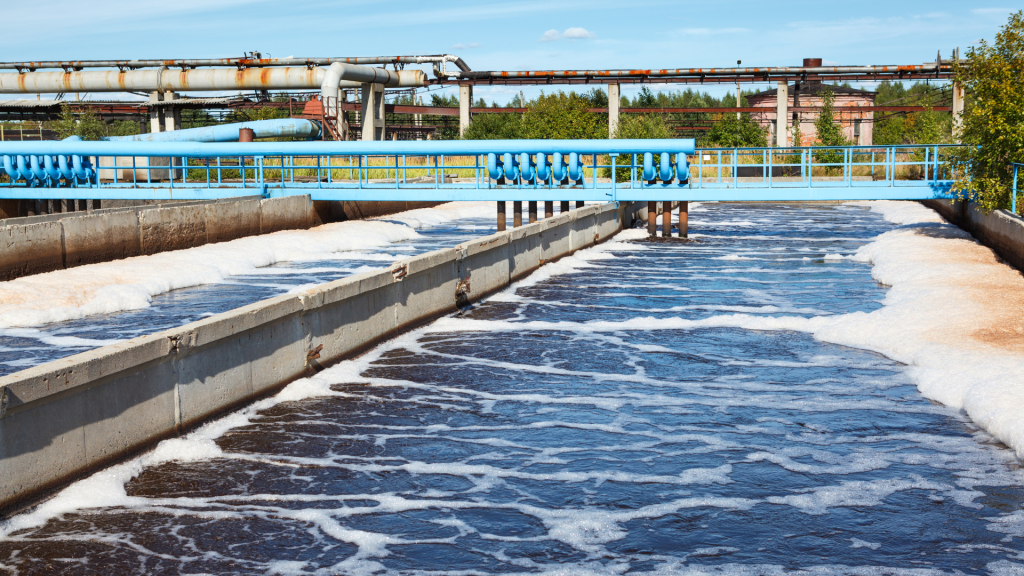
Water treatment is an essential process for ensuring the availability of clean and safe water resources for both civil and industrial use. However, potentially hazardous gases can be produced or released during these processes, making it essential to adopt reliable gas detection systems to protect both operators and the surrounding environment.

Water treatment: the advantages of gas detection

Different stages of water treatment can generate gases such as methane (CH4), hydrogen sulfide (H2S), carbon dioxide (CO2), and oxygen (O2), which can pose significant risks:

  • Health hazards: toxic gases such as H2S can be lethal even at low concentrations.
  • Fire or explosion hazards: flammable gases such as methane can accumulate and cause explosions.
  • Environmental impact: uncontrolled emissions can contribute to air pollution.

Technologies for gas detection in water treatment

Gas detection systems used in water treatment are based on different technologies, each with specific characteristics:

  • Electrochemical sensors: ideal for detecting toxic gases such as H2S, are accurate and specific but require regular maintenance.
  • Infrared (IR) sensors: used to detect flammable gases such as methane, they offer high stability and long life.
  • Catalytic sensors: particularly suitable for detecting flammable gases, they are inexpensive but can be affected by contaminants.

Water treatment: the most common applications

Gas detection is critical in several areas of water treatment plants:

  • Anaerobic digestion tanks: methane is produced here during the decomposition of organic matter.
  • Pumping stations: accumulation of gases such as H2S is common due to decomposition of sulfides.
  • Storage tanks: may contain hazardous gases released during treatment.
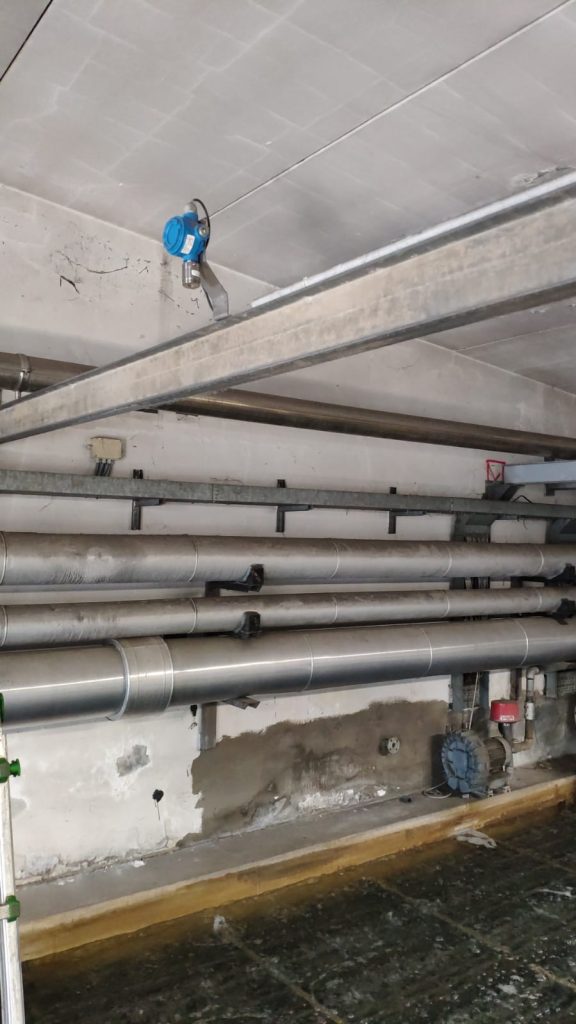
  • Closed or underground areas: require continuous monitoring to prevent gas accumulation.

Discover our produtcs

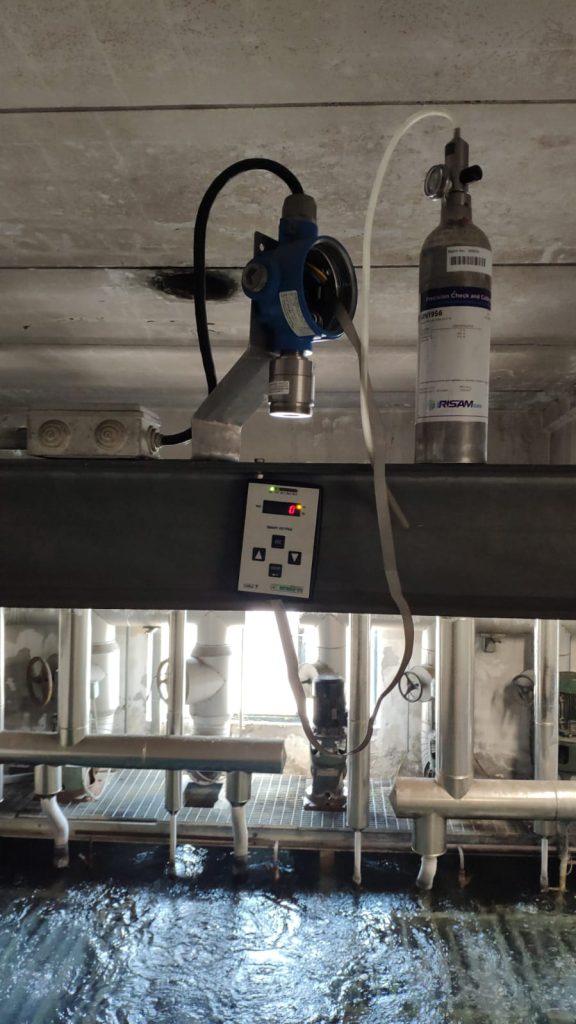
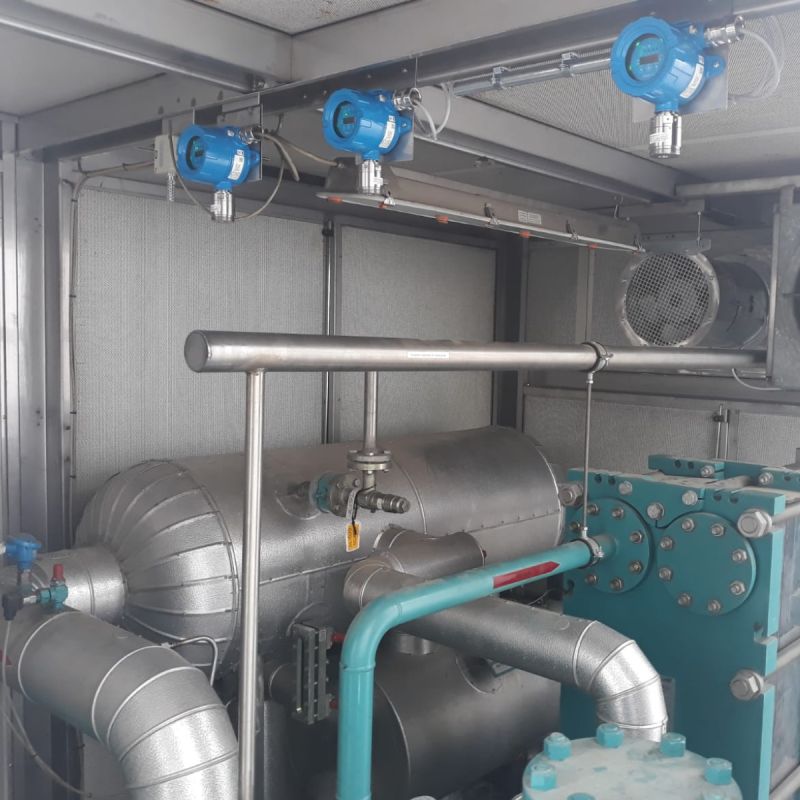
Sensitron gas detectors are suitable for use in any application:

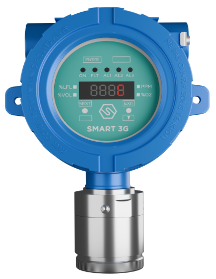
SMART 3G D2

Suitable for detecting the presence of flammable substances, toxic gases, refrigerants and oxygen in classified areas.ATEX, IECEx and SIL2/3 certified
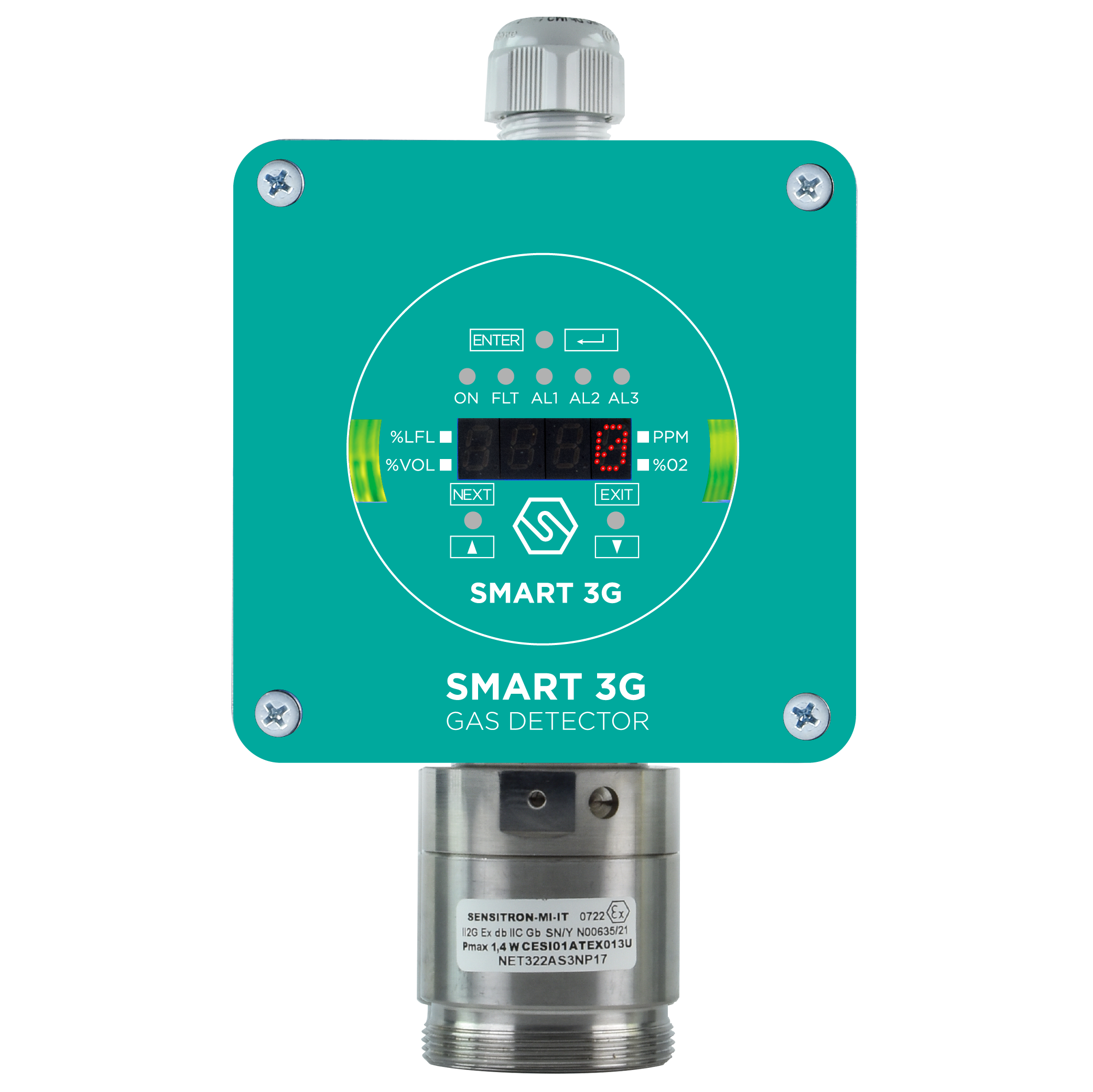
SMART 3G D3

SMART 3G D3

Suitable for detecting in classified areas,ATEX, IECEx and SIL2/3 certified, enables non-intrusive field calibration.
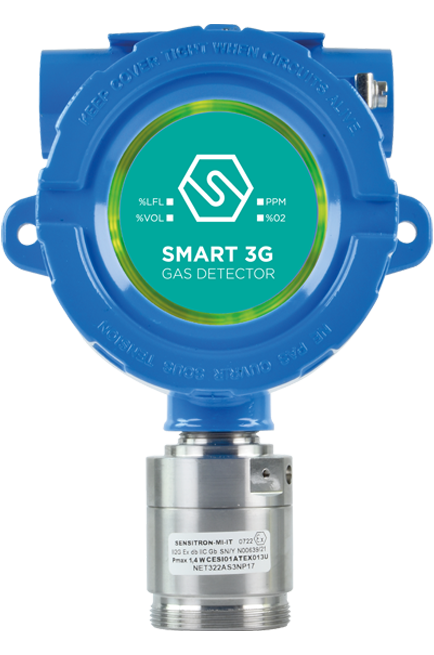
SMART 3G C2

Suitable for detecting, in classified areas, the presence of flammable substances (% LFL), toxic gases in ppm, refrigerant gases or for the detection of oxygen deficiency or excess.

Our certifications

Within hazardous environments where strict safety standards must be met, it is important to use products that are certified and in line with regulations. Learn about our certifications:

ATEX

The Directive sets out the requirements and assessment of equipment intended for use in potentially explosive atmospheres.

IECEx

IECEx

The IECEx system is an international certification system. It is developed by the International Electrotechnical Commission.

certificazione SIL

SIL

The Safety Integrity Level (SIL) is the ability to reduce the assessed risk by ensuring the reliability of safety systems.


Explore in virtual reality

Within the Sensitron metaverse you can explore application realities reconstructed in virtual reality. Find out more about who we are and what we do, walk inside a production area, and learn more about gas hazards.

Follow us on Linkedin

Follow us on Instagram

Share:

The latest articles

Contacts

IN 2025,
SENSITRON
COMPLIES 37 YEARS

We celebrated this achievement, with a new logo: in the handshake we see the commitment made with our customers, but also collaboration, the doing together the best we can without compromise.

Founded in 1988 in the province of Milan, Sensitron becomes part of the Halma plc group in 2021.