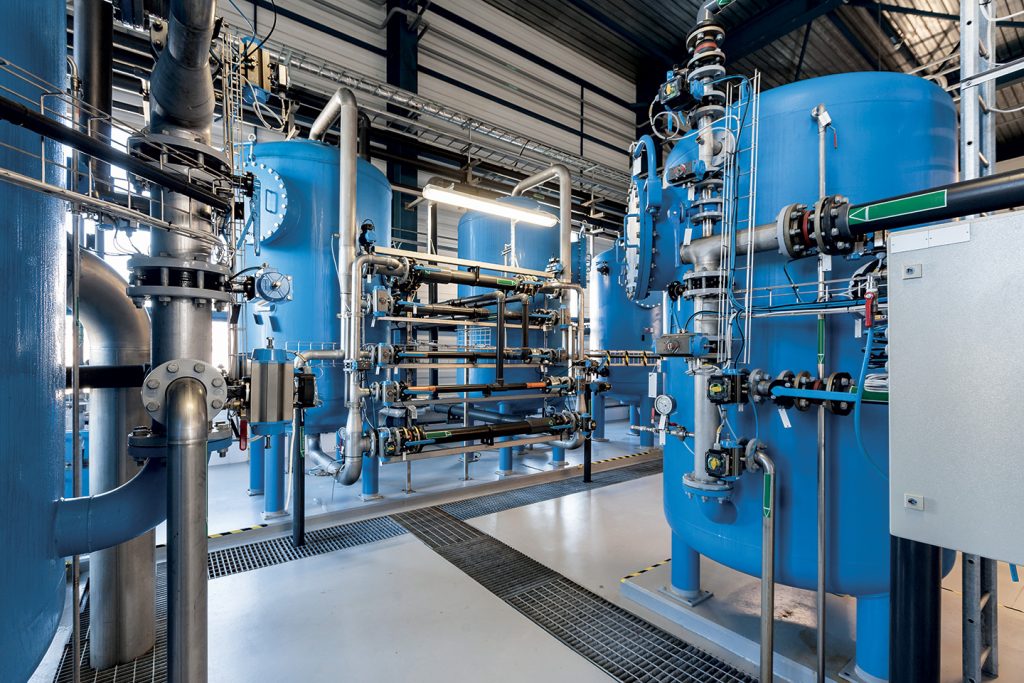
Water treatment is an essential process for ensuring the availability of clean and safe water resources for both civil and industrial use. However, potentially hazardous gases can be produced or released during these processes, making it essential to adopt reliable gas detection systems to protect both operators and the surrounding environment.
Index
Water treatment: the advantages of gas detection
Different stages of water treatment can generate gases such as methane (CH4), hydrogen sulfide (H2S), carbon dioxide (CO2), and oxygen (O2), which can pose significant risks:
- Health hazards: toxic gases such as H2S can be lethal even at low concentrations.
- Fire or explosion hazards: flammable gases such as methane can accumulate and cause explosions.
- Environmental impact: uncontrolled emissions can contribute to air pollution.
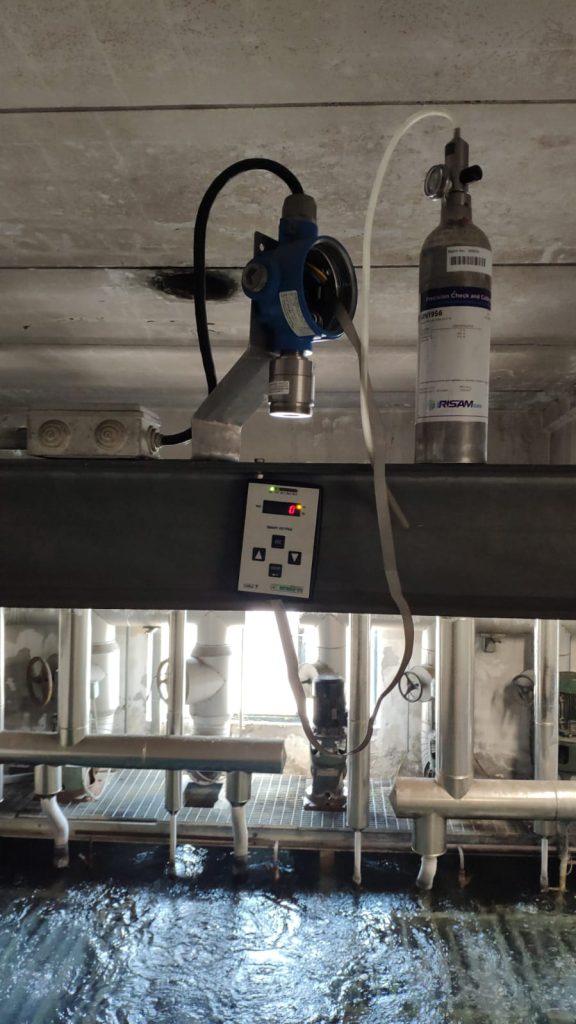
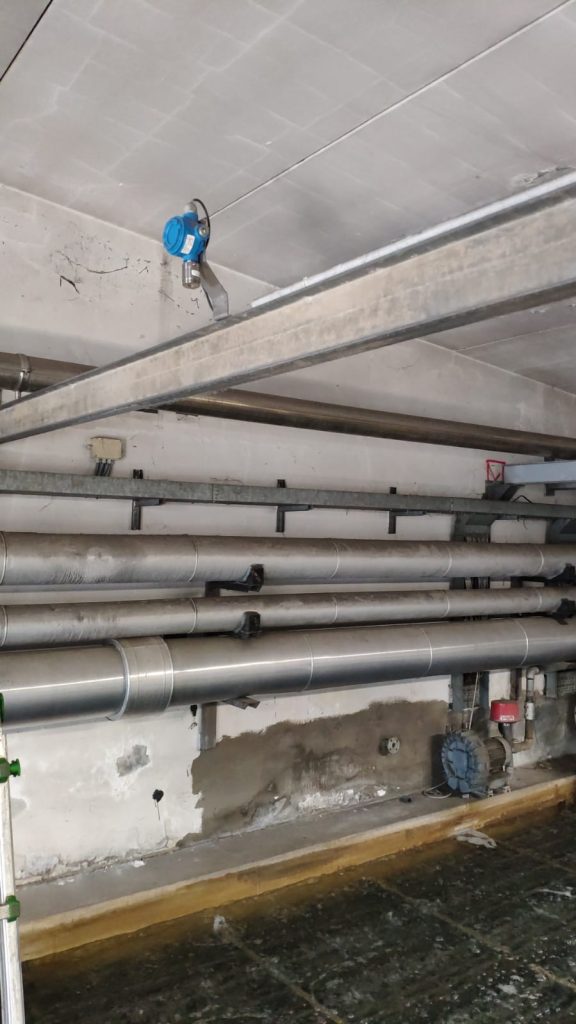
Technologies for gas detection in water treatment
Gas detection systems used in water treatment are based on different technologies, each with specific characteristics:
- Electrochemical sensors: ideal for detecting toxic gases such as H2S, are accurate and specific but require regular maintenance.
- Infrared (IR) sensors: used to detect flammable gases such as methane, they offer high stability and long life.
- Catalytic sensors: particularly suitable for detecting flammable gases, they are inexpensive but can be affected by contaminants.
Water treatment: the most common applications
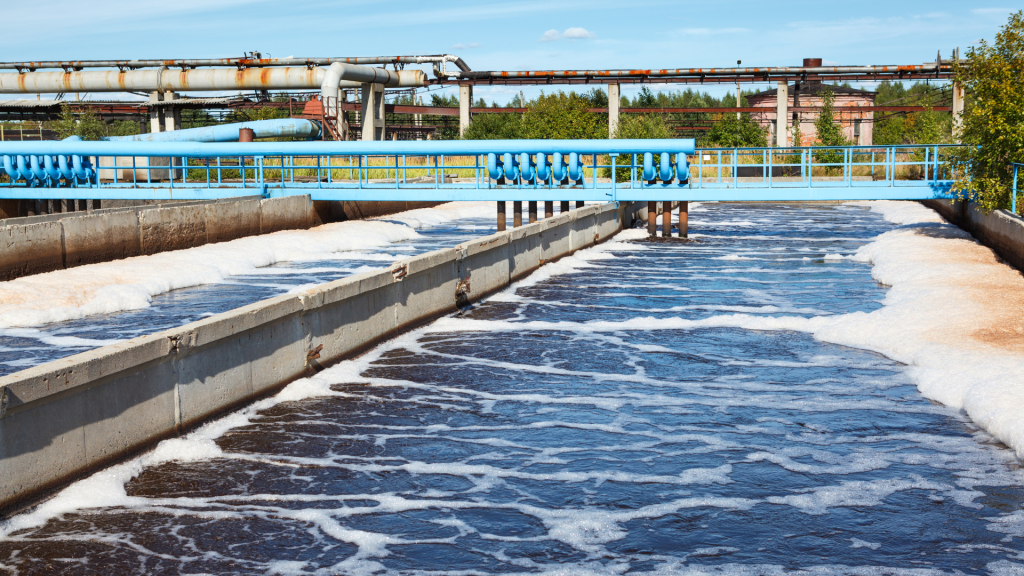
Gas detection is critical in several areas of water treatment plants:
- Anaerobic digestion tanks: methane is produced here during the decomposition of organic matter.
- Pumping stations: accumulation of gases such as H2S is common due to decomposition of sulfides.
- Storage tanks: may contain hazardous gases released during treatment.
- Closed or underground areas: require continuous monitoring to prevent gas accumulation.
Discover our produtcs
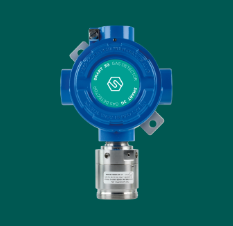
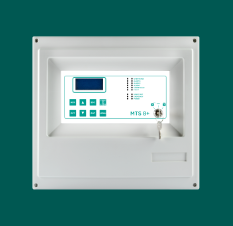
Rely on Sensitron's expertise
For over 35 years, Sensitron has been developing gas detection solutions designed to ensure safety, reliability, and high performance even in the most demanding industrial environments. Founded in 1988 in the province of Milan and now part of the Halma plc group, the company combines research and development, field experience, and regulatory expertise to offer reliable technologies compliant with the highest international standards.
Sensitron systems are designed to detect flammable, toxic, refrigerant, and oxygen gases and are used in numerous sectors: industry, energy, infrastructure, healthcare, construction, and marine applications. All products are CE tested and certified and designed to ensure accurate and long-lasting performance.