Home » News » SIL certification: what it is, safety levels and requirements
SIL certification: what it is, safety levels and requirements
When plant safety depends on the ability to respond quickly to hazardous conditions, the reliability of control systems becomes a key factor. The Safety Integrity Level (SIL) defines the performance level required to reduce risk and ensure an effective response in critical scenarios.
SIL (Safety Integrity Level) certification is a globally recognized standard for assessing the functional safety of systems. Introduced by IEC 61508, this certification has become an essential reference for companies operating in critical industries such as chemical, energy, industrial automation and transportation.
Index
Historical notes on SIL certification
Functional safety began to receive increasing attention in the 1980s, following several major industrial accidents that highlighted the need for international standards for risk management. IEC 61508, introduced in the 1990s, was the first global attempt to provide a comprehensive framework for the design, implementation and management of safe systems. SIL certification was developed as an integral part of this standard, providing a clear metric for assessing the reliability of safety functions.
The evolution of SIL standards has been strongly influenced by the petrochemical and gas industries, where risk management is crucial. Over time, the concept of SIL has been adopted in other industries as well, from automotive to rail to industrial automation.
What is the SIL certification?
SIL represents a level of safety integrity, which is a quantitative measure of risk reduction associated with a specific system or component. SIL levels range from 1 to 4, where:
SIL 1: represents the minimum level of risk reduction
SIL 4: represents the maximum level of risk reduction, which is required for critical high-reliability systems
Each level is defined by an acceptable probability of failure for the safety function and specific requirements for design, implementation and maintenance.
SIL: How is the level determined and what are the requirements?
Determining the required SIL level for a system is the result of a detailed risk analysis, which evaluates:
The severity of consequences in the event of failure
The frequency and likelihood of hazardous events
The ability to mitigate the risk through safety measures
In addition, to achieve SIL certification, a system must meet a number of technical and management requirements, including:
Reliable design: Use of certified components and redundancy in critical systems
Validation and verification: Rigorous testing to ensure that the system meets safety requirements
Continuous maintenance: Implementation of maintenance plans to preserve the level of safety over time
SIL certification: why is it important?
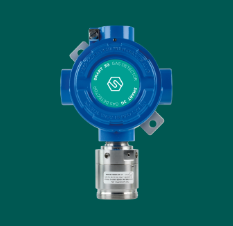
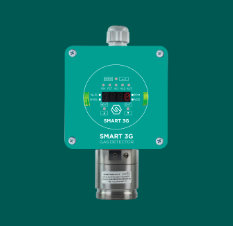
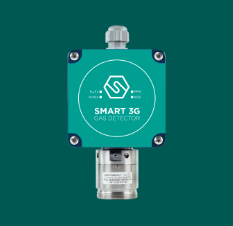
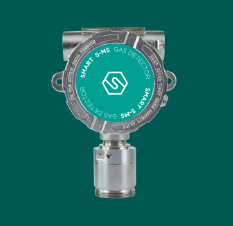
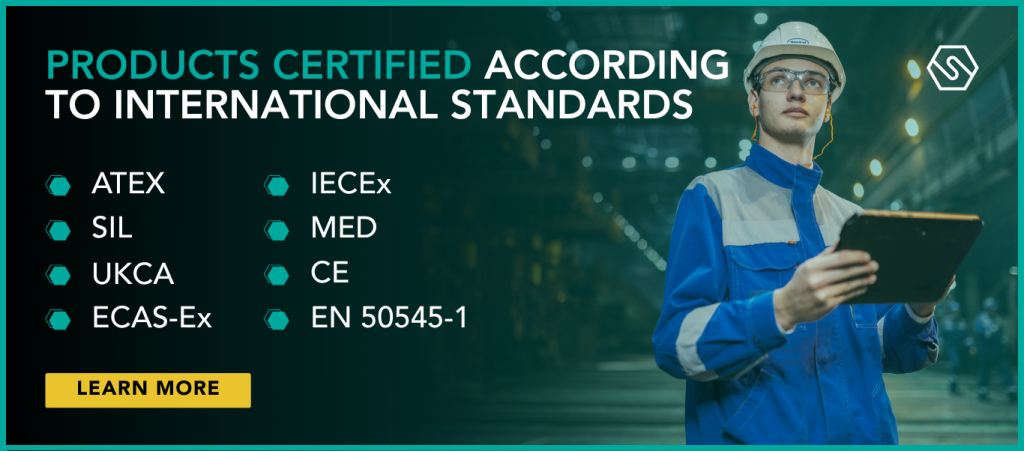
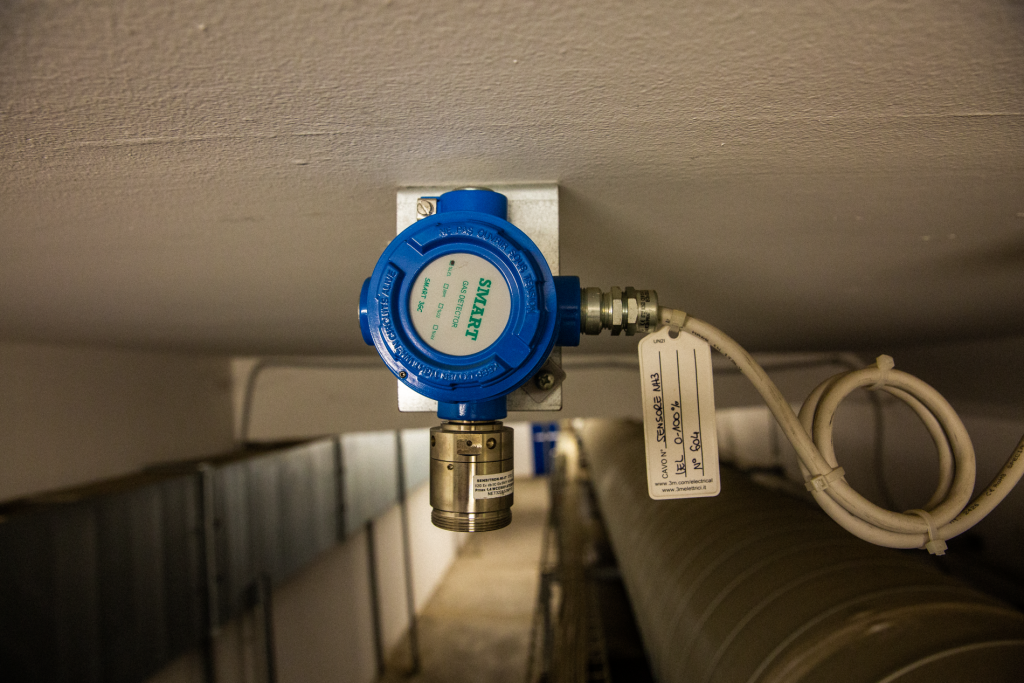
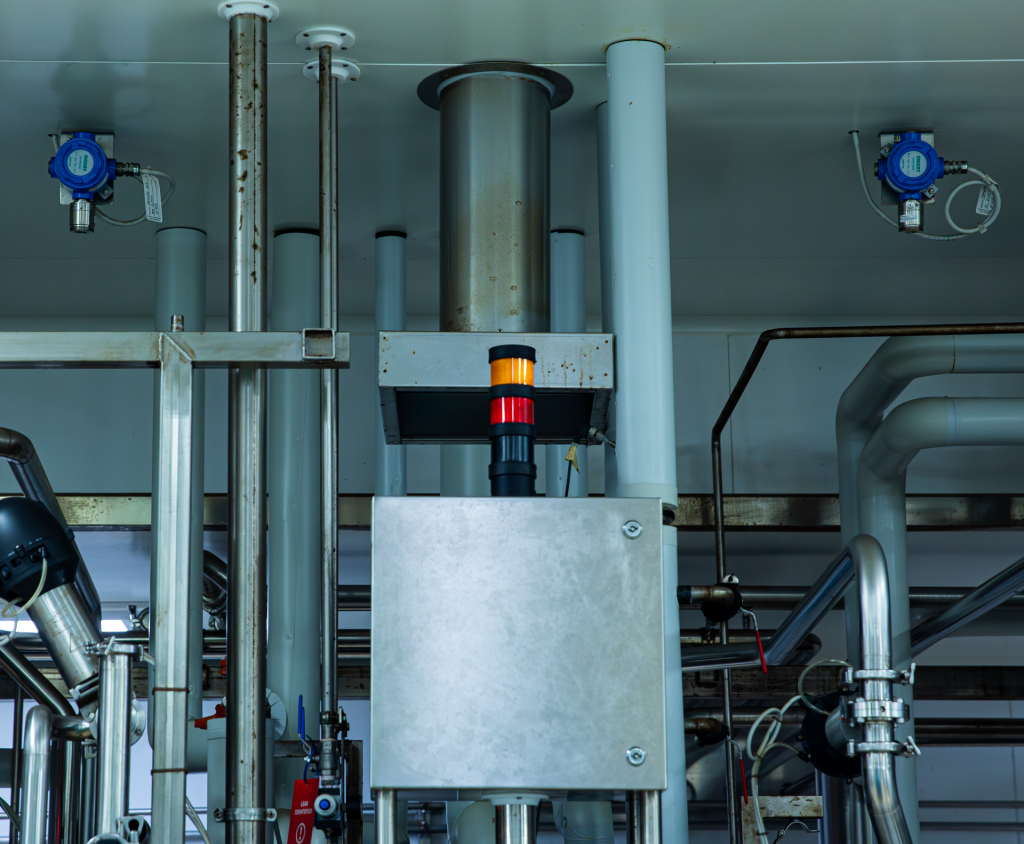
SIL certification assumes an essential role in ensuring that safety systems are designed and operated to reduce risks to acceptable levels. In the area of gas detection, it is possible to certify the product according to EN 61508 and EN 50402, a standard developed specifically for the functional safety of gas detection systems. Sensitron has certified both detector and control panels with a SIL2 grade for the hardware part and SIL3 for the firmware, according to EN 610508 and EN 50402. A certified system protects people and the environment, minimizing the risk of accidents with potential catastrophic impacts. In addition, it is a demonstration of compliance with safety regulations required by law and regulatory agencies, avoiding penalties and costs associated with plant downtime or repairs. This investment in functional safety also enhances corporate reputation, strengthening the trust of customers, partners, and stakeholders. SIL certification is not just a matter of regulatory compliance, but a commitment to a preventive approach to risk management.
For over 35 years, Sensitron has been developing gas detection solutions designed to ensure safety, reliability, and high performance even in the most demanding industrial environments. Founded in 1988 in the province of Milan and now part of the Halma plc group, the company combines research and development, field experience, and regulatory expertise to offer reliable technologies compliant with the highest international standards.
Sensitron systems are designed to detect flammable, toxic, refrigerant, and oxygen gases and are used in numerous sectors: industry, energy, infrastructure, healthcare, construction, and marine applications. All products are CE tested and certified and designed to ensure accurate and long-lasting performance.
Within the Sensitron metaverse it is possible to explore application realities reconstructed in virtual reality. Find out more about who we are and what we do, walk inside a production area and find out more details about the dangers associated with gas.
Contact us!
Contacts
Viale della Repubblica, 48 20007 Cornaredo (MI) – ITALY
We celebrated this achievement, with a new logo: in the handshake we see the commitment made with our customers, but also collaboration, the doing together the best we can without compromise.
Founded in 1988 in the province of Milan, Sensitron becomes part of the Halma plc group in 2021.
![[PROD]-SMART3G-C2-LD](https://www.sensitron.it/wp-content/uploads/2026/03/Progetto-senza-titolo-12.png)