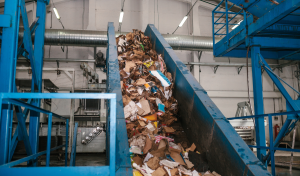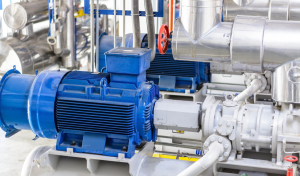
In logistics and industrial storage, the handling of goods, packaging, chemicals and flammable materials often involves the presence or emission of hazardous gases. Whether in substance storage, pallet handling, use of combustion forklifts or refrigeration equipment, the risk of toxic or explosive atmospheres is real. Many modern warehouses operate in enclosed and densely automated spaces, where even a small gas leak can compromise the safety of people, goods and infrastructure. Gas detection in logistics is therefore an essential part of the prevention strategy.
Index
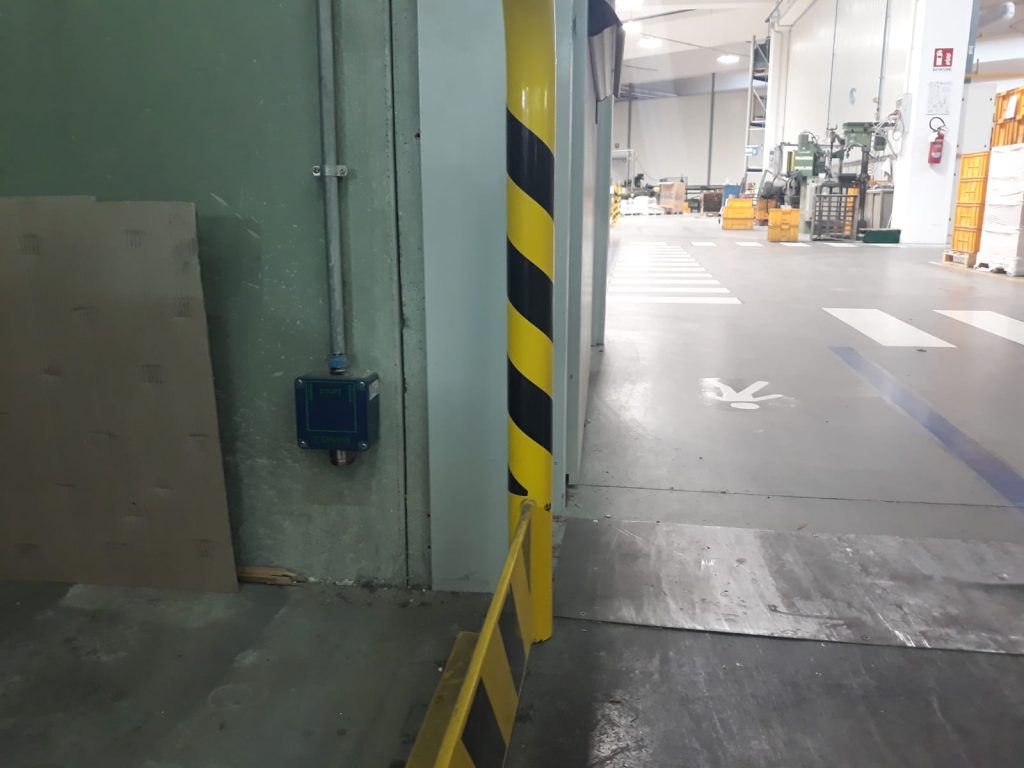
Logistics and storage: why integrate gas detection systems
Gas detection systems are a key preventive measure for logistics centers, automated warehouses and storage platforms. Key benefits include:
- Continuous monitoring of the atmosphere in closed environments
- Prevention of fire or explosion in areas with flammable materials
- Early detection of leaks from refrigeration systems or gas tanks
- Protection of workers and stored goods
- Compliance with ATEX and occupational safety regulations (Legislative Decree 81/08).
In addition to the protection of people, gas detection in storage contributes to the protection of company assets and business continuity.
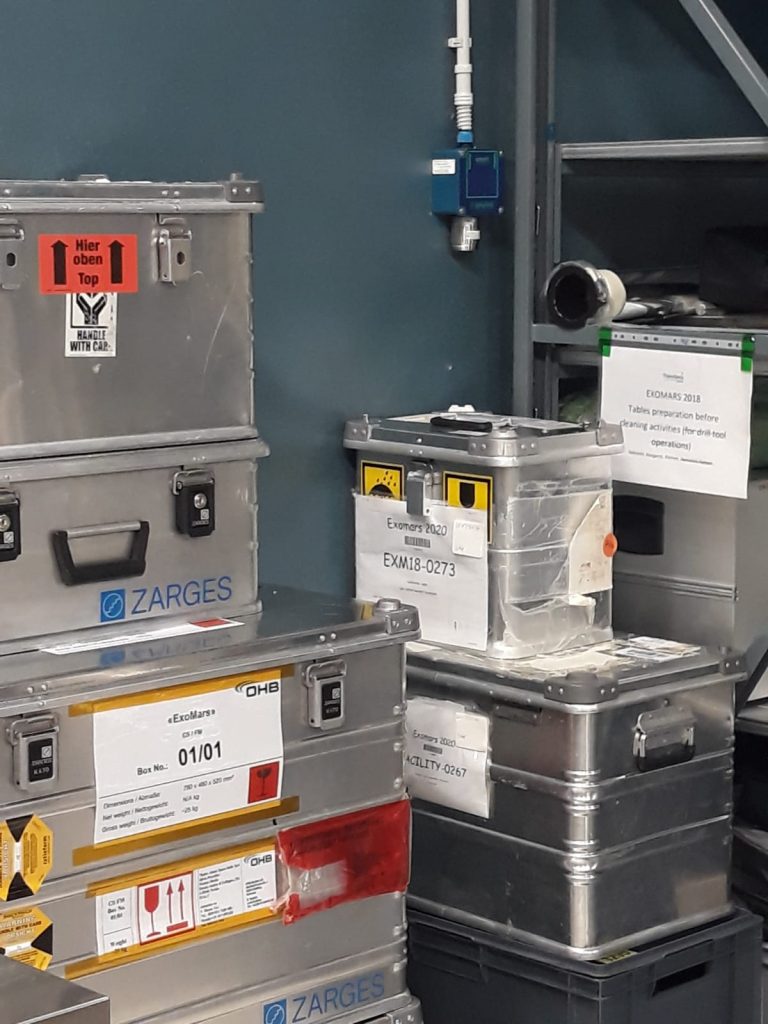
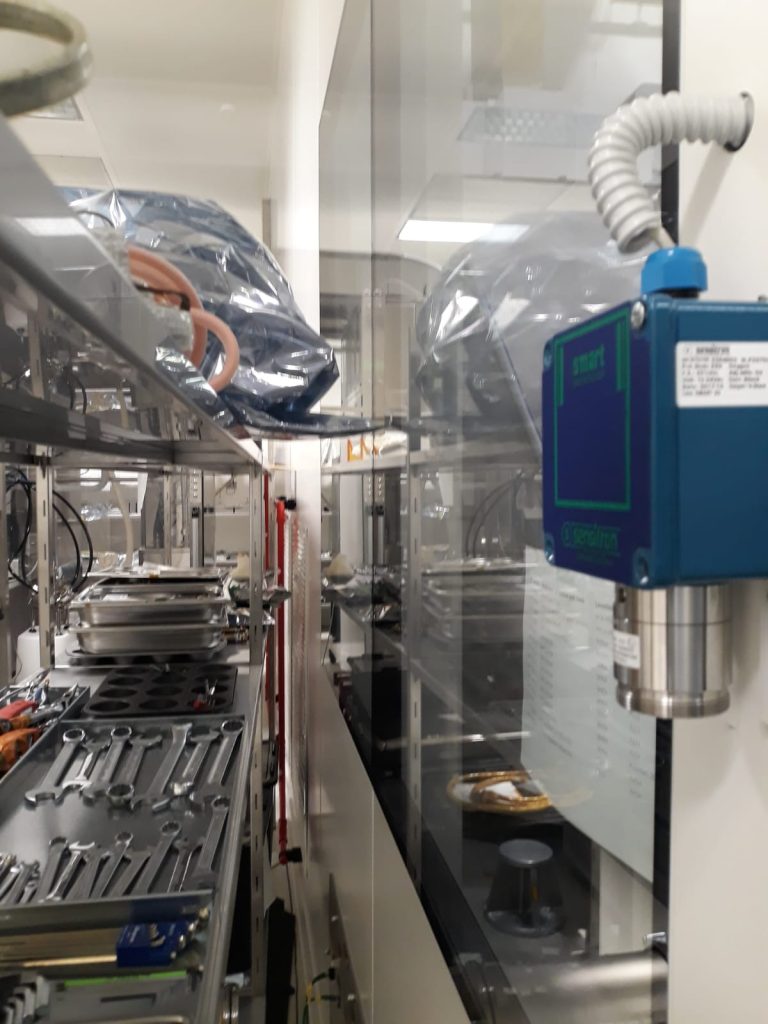
Logistics and storage: which gases to monitor
In the logistics and storage sector, it is critical to monitor different types of gases that may be present for operational or accidental reasons. Among the main ones:
- Refrigerant gases (e.g., R134a, R404A, ammonia):
used in industrial refrigeration and cold storage systems. Some are toxic, others are flammable or have a high greenhouse effect. - Carbon monoxide (CO):
produced by incomplete combustion in diesel or gasoline powered forklifts. It is odorless, colorless and potentially lethal. - Flammable gases (methane, propane, hydrogen):
present in handling equipment fuels or resulting from leaks from equipment and containers. - Toxic gases (e.g., chlorine, ammonia):
used in chemical treatment or disinfection. Need high-sensitivity detection to prevent even minimal exposures. - Asphyxiant gases (e.g., CO₂):
non-toxic but dangerous indoors, as they replace atmospheric oxygen causing asphyxiation hazards.
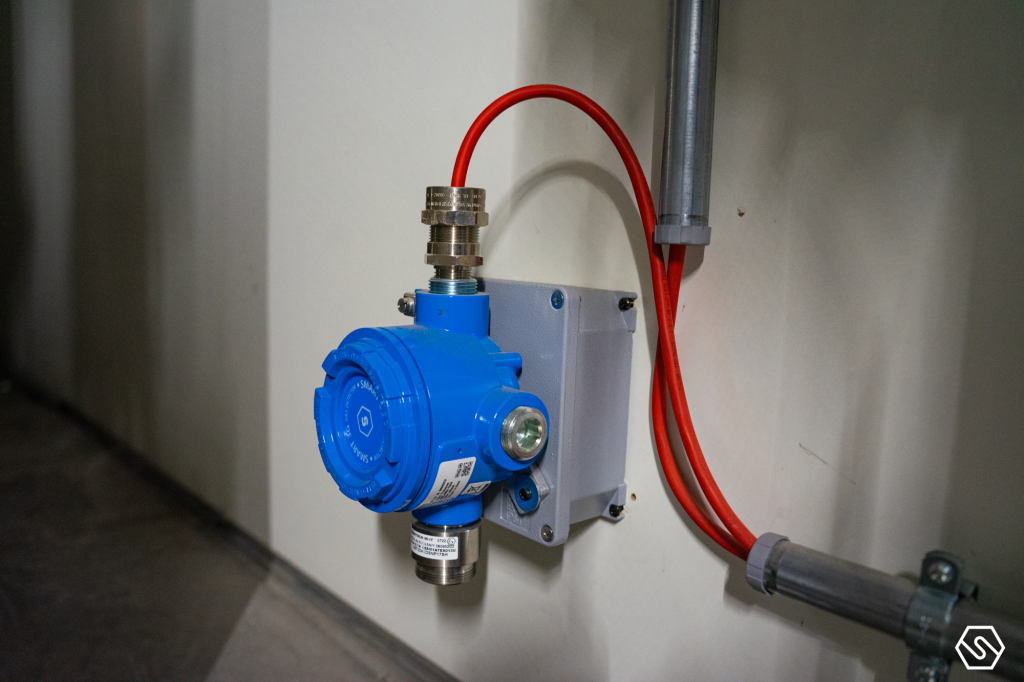
Logistics and storage: which technologies to use
To ensure effective and continuous monitoring in warehouses, depots and logistics centers, it is essential to adopt gas detection technologies best suited to the type of substance to be detected and the operating environment. The main ones include:
- Infrared (IR) sensors:
ideal for detecting flammable gases such as methane or propane and some refrigerants (e.g., CO₂). They are accurate, stable over time, and resistant to contaminants and temperature changes. - Catalytic sensors:
used in the detection of combustible gases. They offer rapid response and are suitable for many applications, but require oxygen to function properly. - Electrochemical sensors:
perfect for the detection of toxic gases such as carbon monoxide (CO), ammonia (NH₃) and chlorine (Cl₂). They have high sensitivity even at low concentrations. - PID (photoionization detector) sensors:
suitable for detecting volatile organic compounds (VOCs) and leaks of complex chemicals. Useful in warehouses that store industrial products or chemicals.
The importance of gas detection
Integrating gas detection into industrial storage means protecting people, products and facilities. A well-designed system makes it possible to:
- Reduce accidents and plant downtime
- Avoid economic damage and loss of goods
- Ensure regulatory compliance
- Strengthen the company’s reputation for safety and sustainability
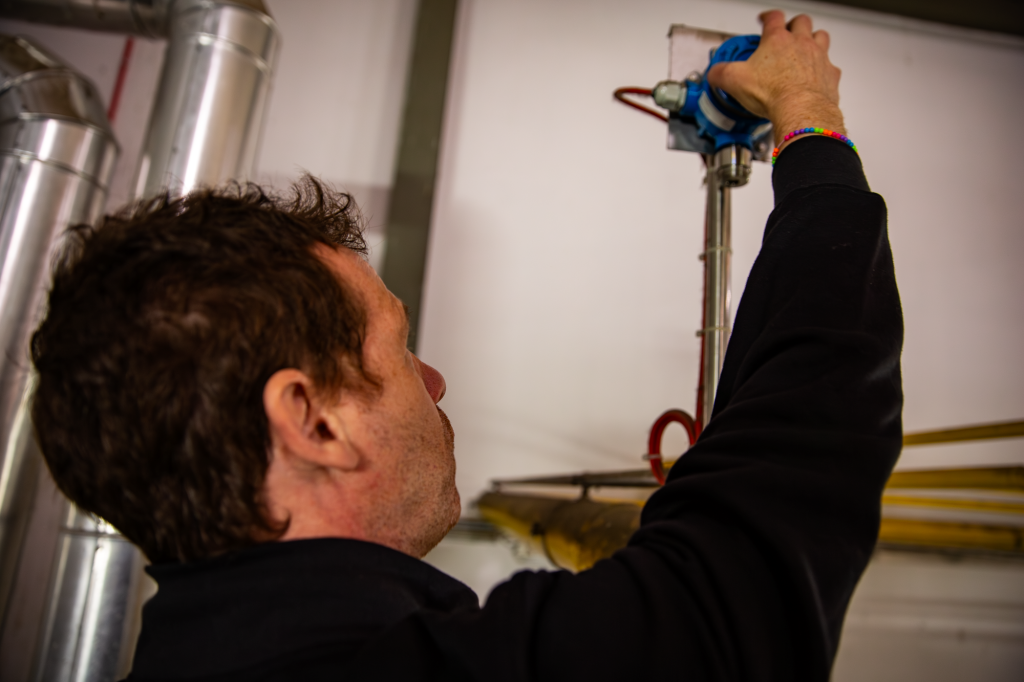
Discover our produtcs
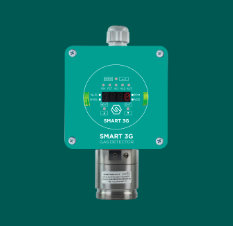
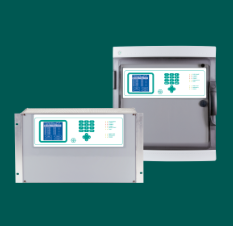
If you manage a logistics or industrial storage facility, trust Sensitron for complete and reliable gas detection solutions. Contact us for technical advice or visit the dedicated section on our website. Sensitron gas detectors are suitable for use in any application:
Rely on Sensitron's expertise
For over 35 years, Sensitron has been developing gas detection solutions designed to ensure safety, reliability, and high performance even in the most demanding industrial environments. Founded in 1988 in the province of Milan and now part of the Halma plc group, the company combines research and development, field experience, and regulatory expertise to offer reliable technologies compliant with the highest international standards.
Sensitron systems are designed to detect flammable, toxic, refrigerant, and oxygen gases and are used in numerous sectors: industry, energy, infrastructure, healthcare, construction, and marine applications. All products are CE tested and certified and designed to ensure accurate and long-lasting performance.