Welding and cutting are central operations in a great many industrial settings: from metalwork to shipbuilding to plant and infrastructure maintenance. They often take place in complex environments, where the presence of flammable gases, toxic vapors or potentially explosive atmospheres poses a real safety risk to operators. During thermal processing, the interaction between metals, heat sources and technical gases can generate dangerous concentrations of substances such as carbon monoxide (CO), nitrogen oxides (NOx), ozone (O₃), metal vapors and residual combustible gases. The presence of these agents makes the use of reliable gas detection systems essential.
Index
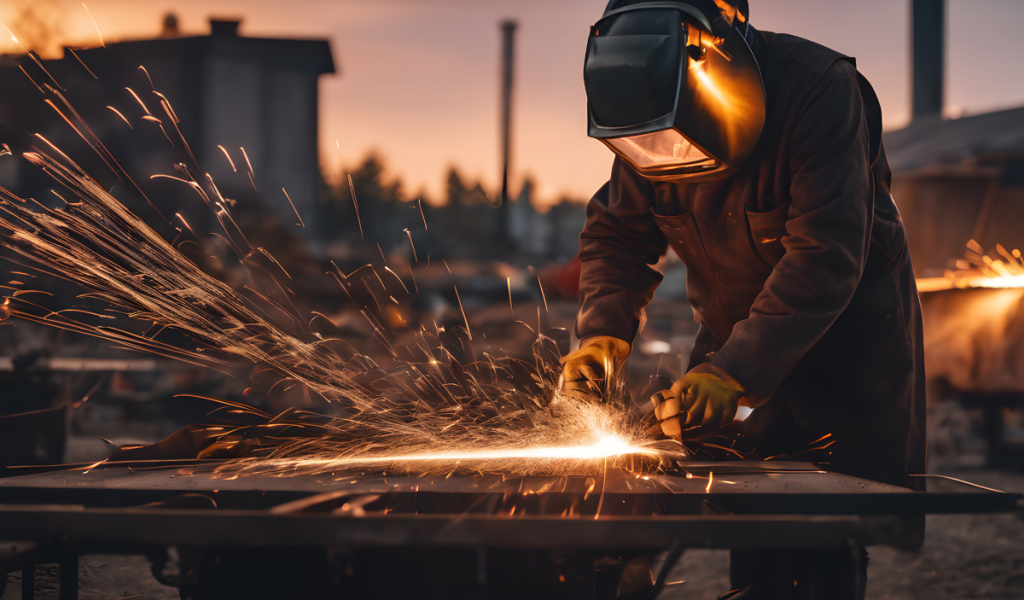
Welding and cutting process: the importance of gas detection
Every industrial welding operation should be supported by a reliable gas detection system. Sensitron devices are designed to provide continuous and accurate air monitoring, with the goal of:
- Detect flammable gas leaks (such as acetylene and hydrogen)
- Monitor the presence of toxic substances (e.g., carbon monoxide)
- Promptly report hazardous conditions
- Protect personnel and facilities
- Comply with safety regulations (e.g., Legislative Decree 81/08)
In enclosed environments, workshops or confined spaces, where welding and cutting activities often take place, gas detection is an indispensable safeguard.
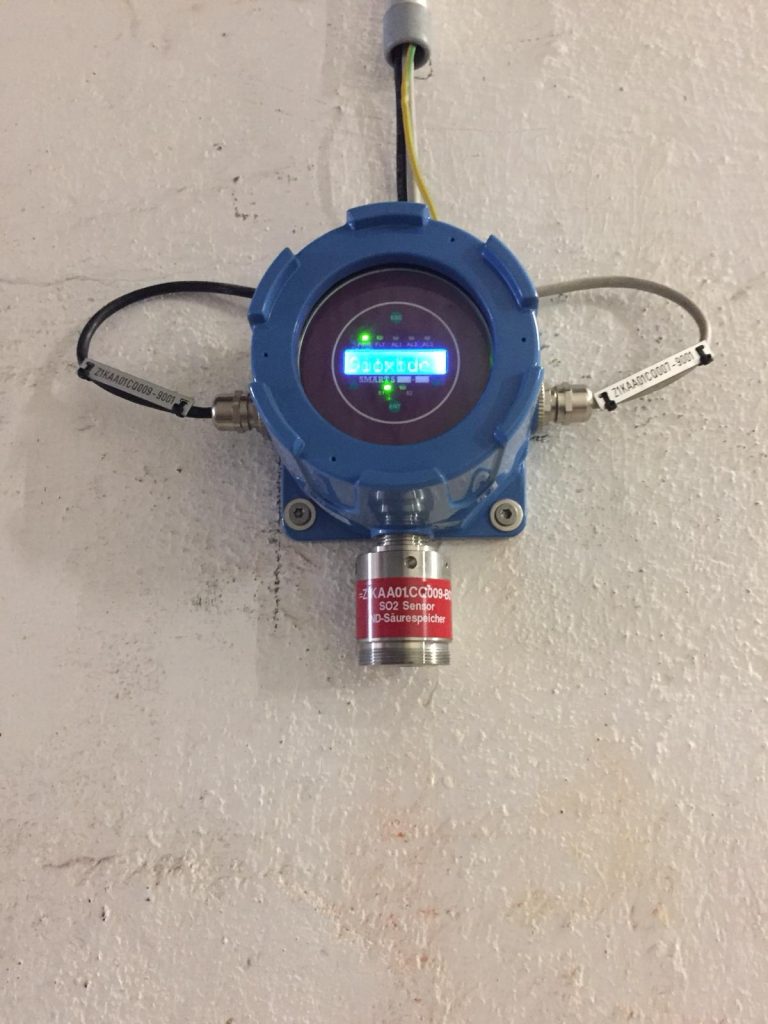
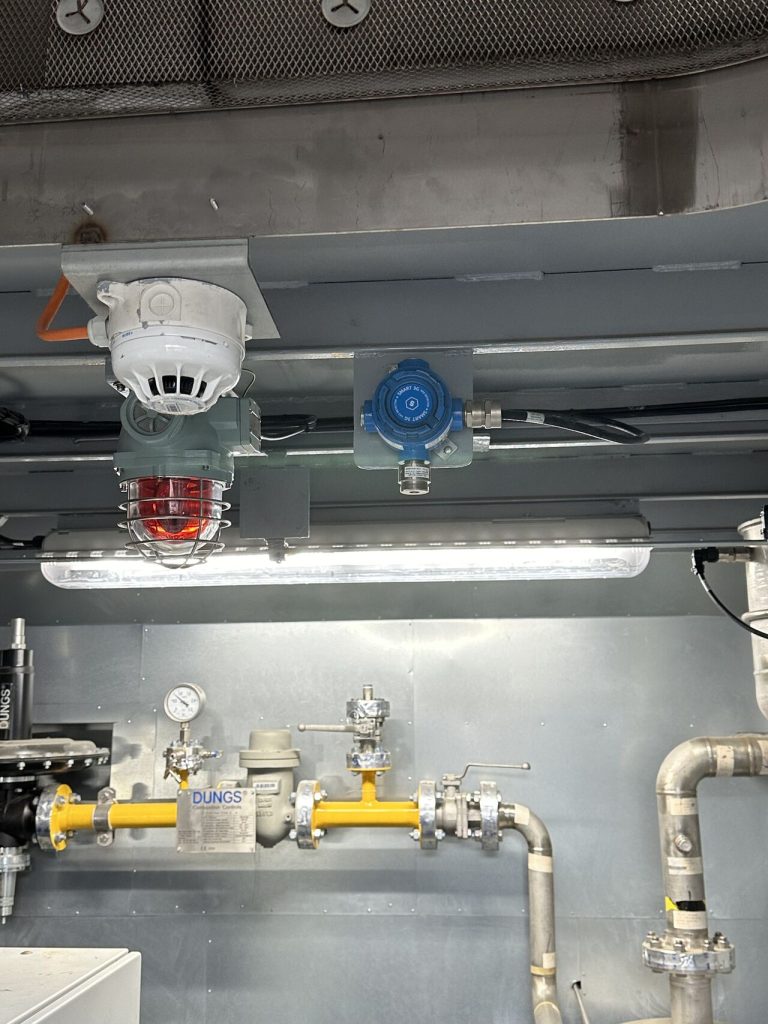
Welding and cutting process: which gases to monitor
During different welding techniques (MIG, TIG, electric arc, oxyfuel, plasma), harmful or flammable gases can be generated. Among the main ones to watch out for:
- Carbon monoxide (CO): It results from incomplete combustion. It is colorless, odorless and very dangerous even at low concentrations.
- Acetylene (C₂H₂): Used in oxyacetylene cutting. It is extremely flammable and unstable if not handled properly.
- Hydrogen (H₂): Increasing use in specialty welding. Has a wide explosive range.
- Inert gases: Used as protective gases. Non-toxic, but asphyxiating in confined environments.
Every production environment where welding is carried out must provide a tailor-made system for gas detection best suited to the materials and technologies used.
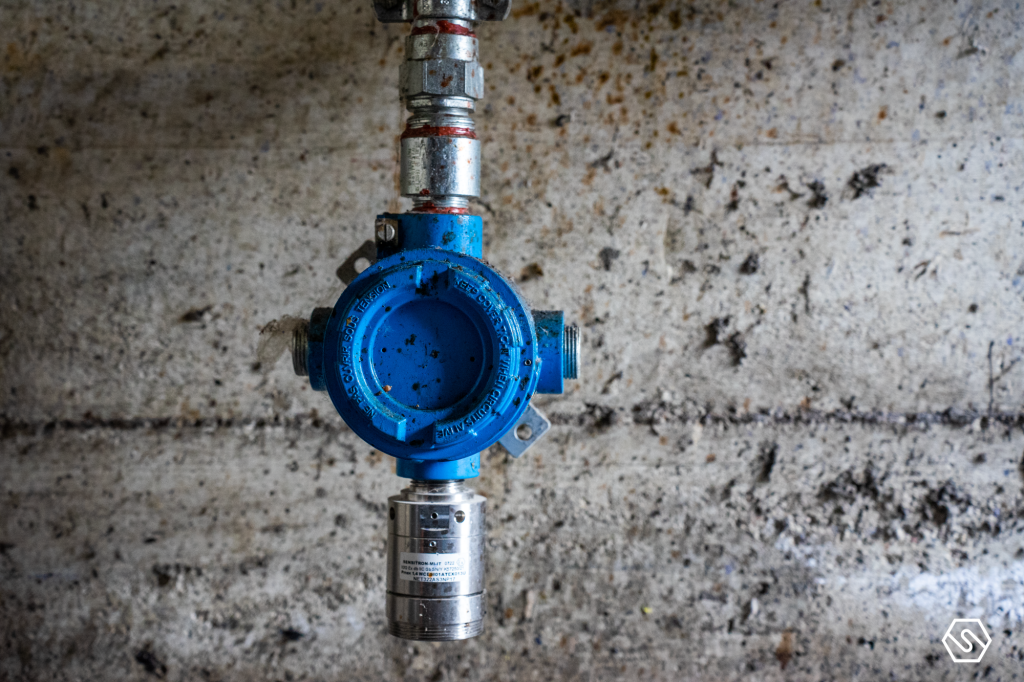
Technologies for gas detection during welding and cutting processes
The choice of the most suitable gas detection technology depends on the type of gas to be monitored and the environmental conditions under which welding is taking place. The main solutions include:
- Infrared (IR) sensors: ideal for detecting flammable gases such as methane, propane and CO₂. They offer high stability, long life and resistance to contaminants and moisture.
- Catalytic sensors: suitable for detecting combustible gases (e.g., acetylene, hydrogen) by oxidation. They are inexpensive and reliable, but require oxygen to operate.
- Electrochemical sensors: perfect for toxic gases such as carbon monoxide (CO), nitrogen oxides (NOx) and ozone. They offer high accuracy even at low concentrations.
- PID (photoionization detector) sensors: useful for volatile organic compounds (VOCs) and industrial vapors; used in complex or highly regulated environments.
Integration of these technologies enables precise and continuous air monitoring in industrial settings where welding and cutting work is carried out.
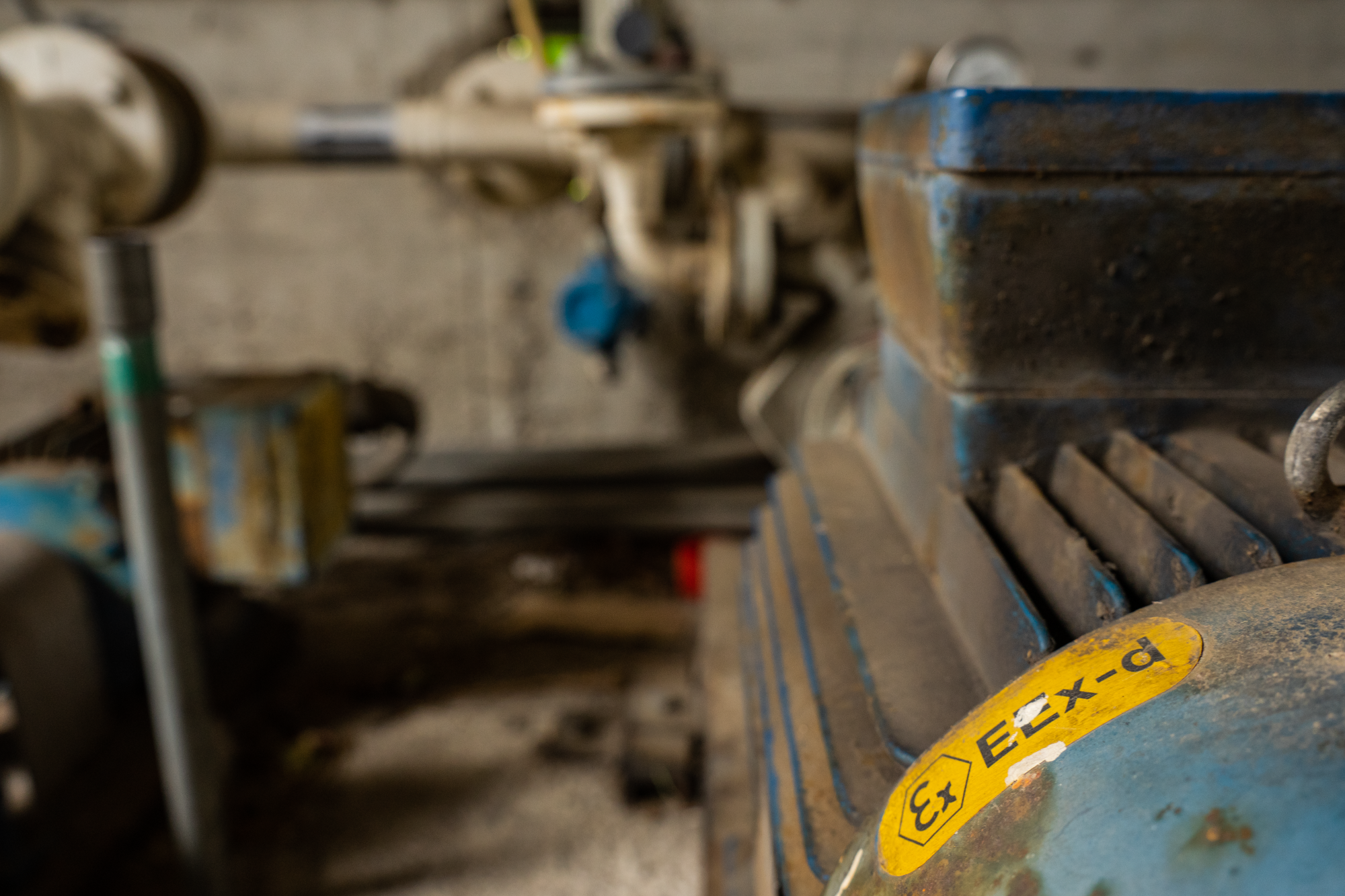
The importance of gas detection
In addition to being a regulatory requirement, installing gas detection systems in welding is a strategic choice for companies. Benefits:
Reduced risk of accidents and occupational diseases
- Continuity of plant operations
- Increased environmental control
- Protection of corporate image
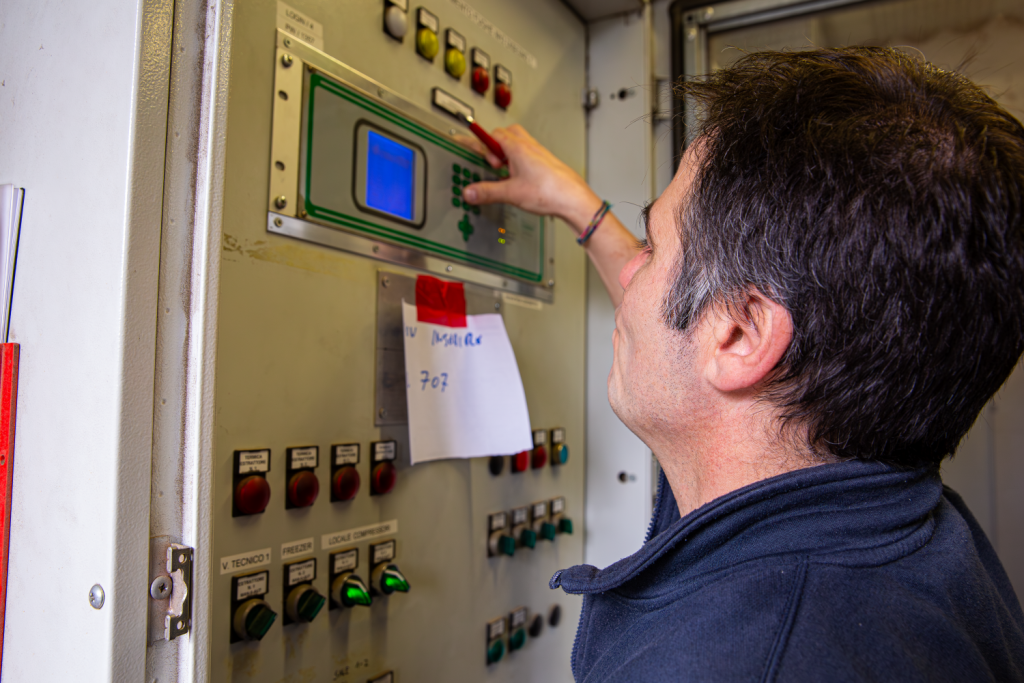
Discover our produtcs
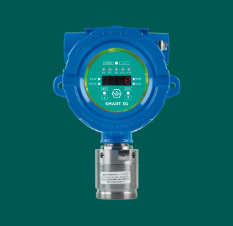
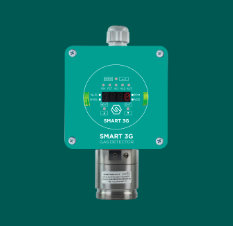
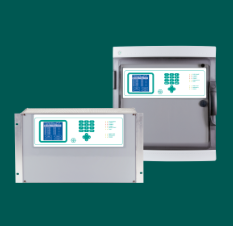
Sensitron offers a complete range of certified gas sensors and detectors for the welding industry. Our devices stand out for:
- Reliability and precision even under critical conditions
- Resistance to dust, vibration, and electromagnetic fields
- Easy integration into new or existing systems
- Advanced technologies (infrared, electrochemical, PID, catalytic)
- Visual and audible alarms and centralized data management
Each system is designed to adapt to the production environment and ensure safe welding operations, even in complex scenarios.
Rely on Sensitron's expertise
For over 35 years, Sensitron has been developing gas detection solutions designed to ensure safety, reliability, and high performance even in the most demanding industrial environments. Founded in 1988 in the province of Milan and now part of the Halma plc group, the company combines research and development, field experience, and regulatory expertise to offer reliable technologies compliant with the highest international standards.
Sensitron systems are designed to detect flammable, toxic, refrigerant, and oxygen gases and are used in numerous sectors: industry, energy, infrastructure, healthcare, construction, and marine applications. All products are CE tested and certified and designed to ensure accurate and long-lasting performance.