The presence of toxic and flammable gases in workplaces is an often underestimated risk. These invisible and potentially lethal substances can cause serious harm to human health and plant safety if not detected and managed properly. Understanding the nature of these risks and taking effective preventive measures is critical to protecting workers, assets and production processes.
Index
What are the main toxic and flammable gases?
Hazardous gases can be mainly classified according to the type of risk they pose.
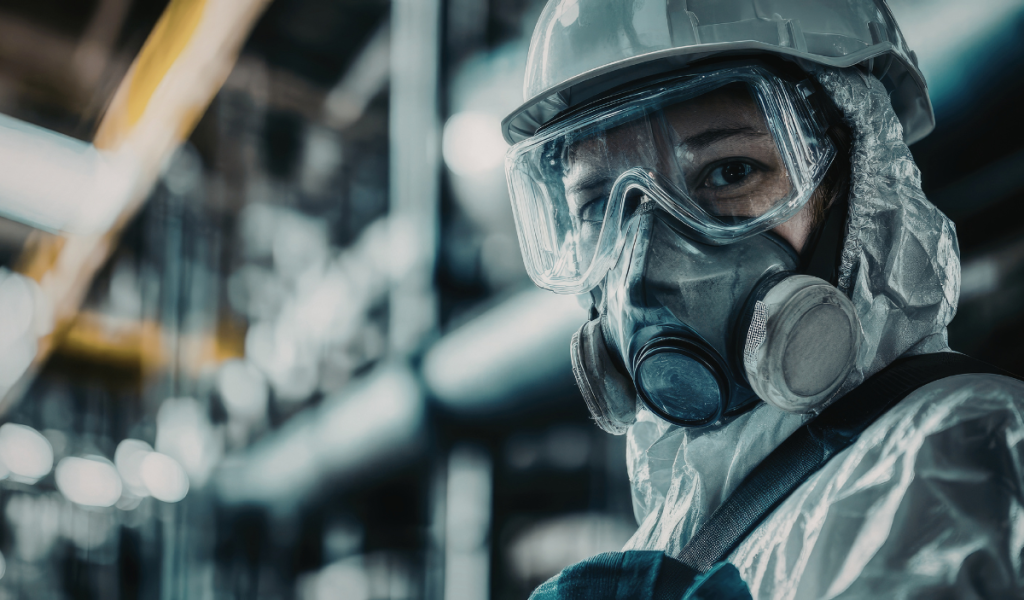
Common examples of toxic gases include carbon monoxide (CO), hydrogen sulfide (H₂S), ammonia (NH₃), and chlorine (Cl₂), substances that can cause serious health effects even at low concentrations.
Flammable gases, on the other hand, include methane (CH₄), propane (C₃H₈), butane (C₄H₁₀), and hydrogen (H₂), which can lead to fires or explosions when mixed with air within specific concentration ranges and exposed to an ignition source.
Understanding the properties of each gas is essential for selecting the right detection technologies and implementing effective prevention strategies in hazardous environments.
Toxic and flammable gases: where are they found?
Hazardous gases can be present in numerous industrial, civil, and infrastructural contexts:
- Chemical and petrochemical industries: ammonia, chlorine, hydrogen sulfide, volatile organic solvents.
- Water and waste treatment: biogas, methane, hydrogen sulfide.
- Laboratories and healthcare facilities: ethylene oxide, formaldehyde, volatile anesthetics.
- Energy production and storage sites: hydrogen, LPG, natural gas.
Even more common facilities such as thermal power plants, industrial kitchens, or underground garages can pose a hazard if flammable gases such as methane or propane leak.
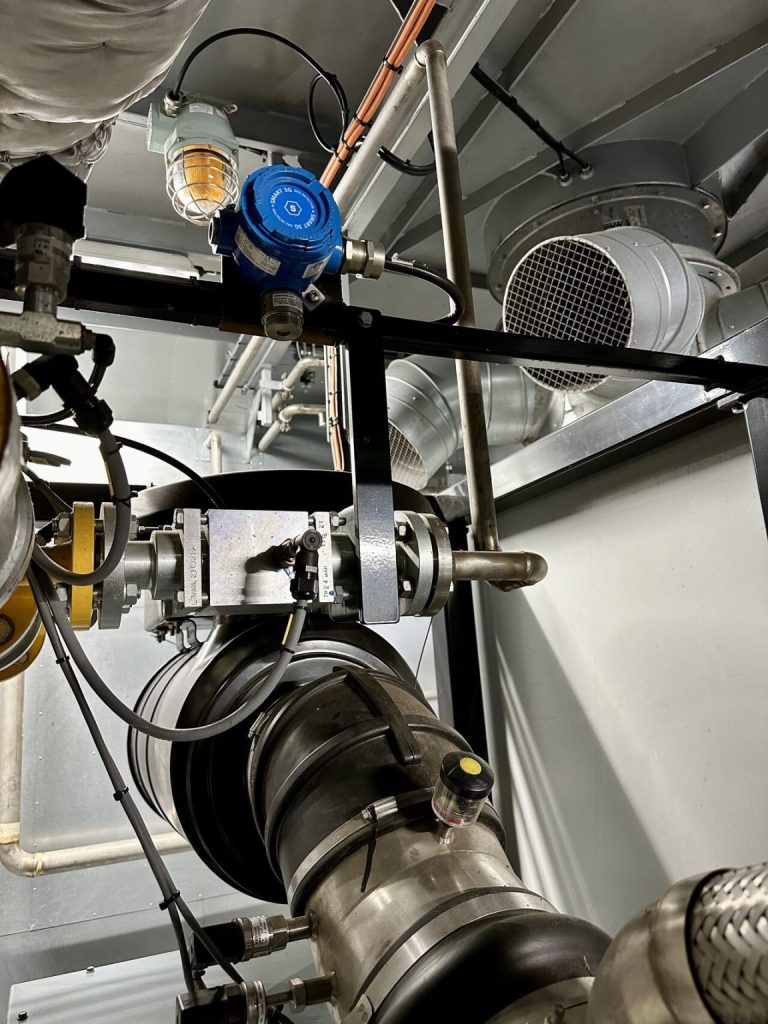
Health and safety hazards
Toxic gases act on the body at even very low concentrations. They can have irritant, narcotic or systemic effects, with irreversible damage to internal organs. In some cases, exposure may be acute (e.g., accidental inhalation of chlorine), in others chronic (e.g., prolonged exposure to solvent vapors).
Flammable gases, on the other hand, pose a risk of explosion or fire, especially in enclosed or poorly ventilated environments. Ignition can result from electrical sparks, mechanical friction or simply from heat sources. The consequences, in these cases, can be devastating to both people and structures.
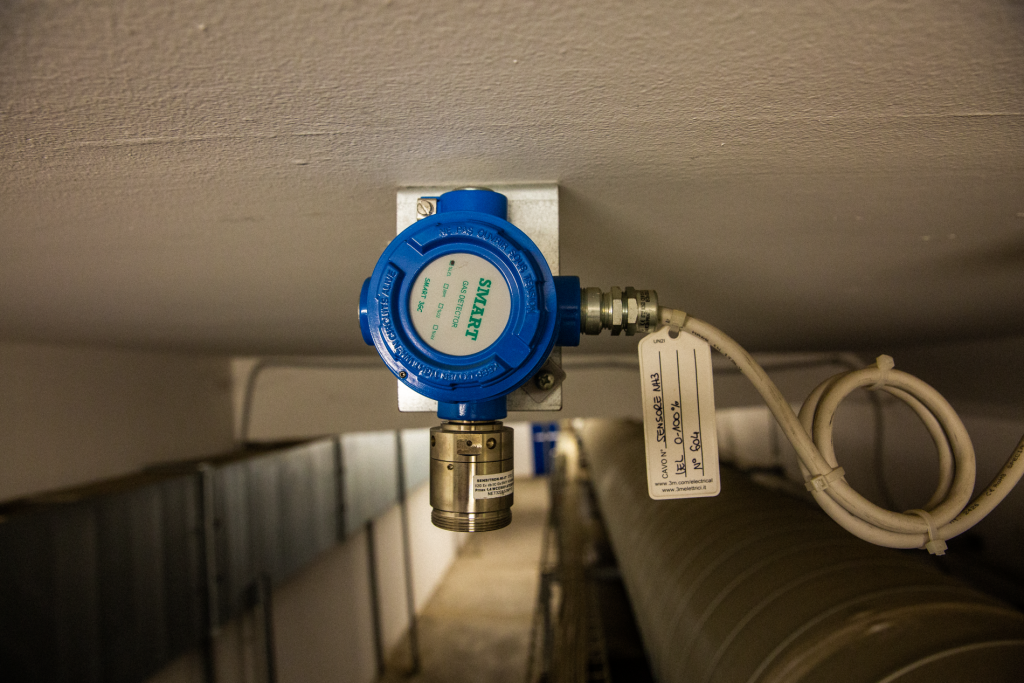
Toxic and flammable gases: which technologies to use
The choice of detection technology depends on the type of gas and the characteristics of the environment in which the sensor is to be installed.
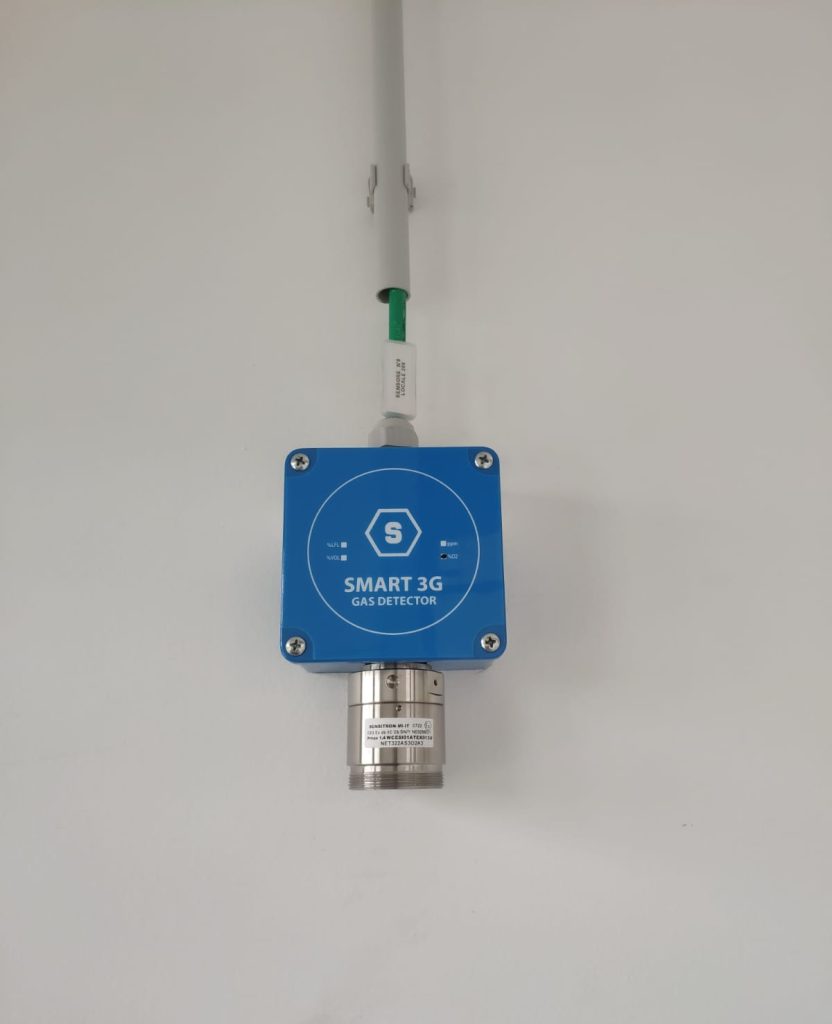
- Flammable gases: the most common detectors use catalytic or infrared technologies. Catalytic sensors measure the oxidation of gas on a heated element and are ideal for well-ventilated environments. IR sensors, on the other hand, measure the absorption of infrared light by gas molecules-they are better suited to corrosive environments or those subject to high humidity, and offer greater stability over time, with no need for oxygen to operate.
- Toxic gases: these are detected using electrochemical cells, which can selectively react with specific gases, producing an electrical signal proportional to the concentration. This technology enables accurate detection even at low concentrations, making it ideal for environments where workers’ health may be compromised by even small leaks.
The importance of gas detection
Installing a gas detection system is the most effective measure to prevent accidents. A well-designed system makes it possible to:
- Detect the presence of toxic or flammable gases early.
- Trigger audible and visual alarms to evacuate personnel.
- Trigger automatic safety systems, such as forced ventilation or shutoff valves.
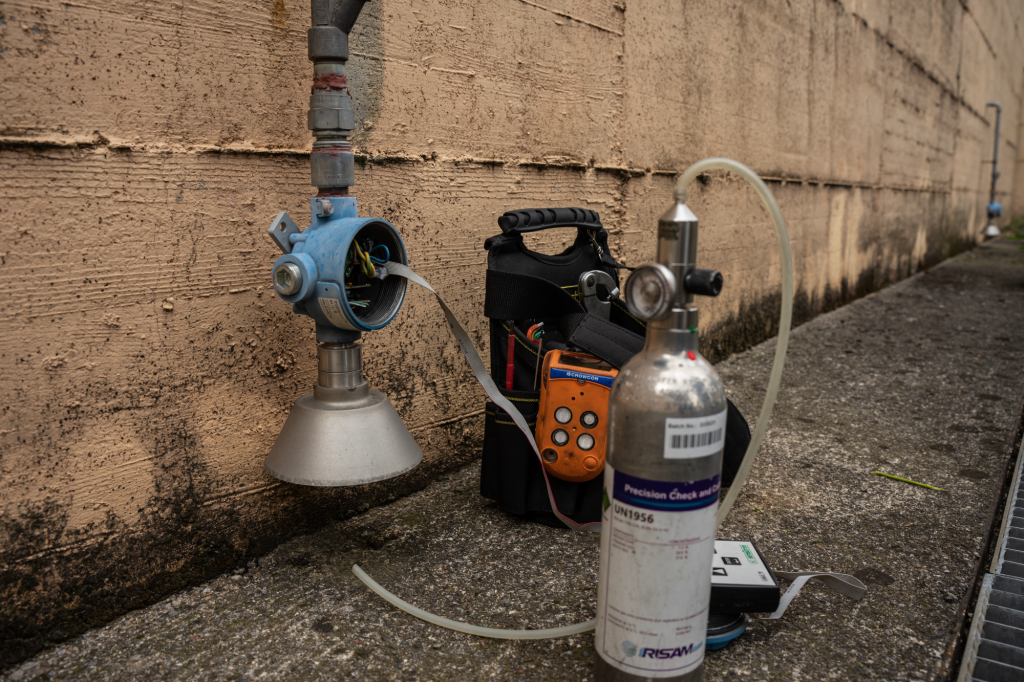
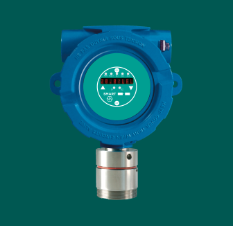
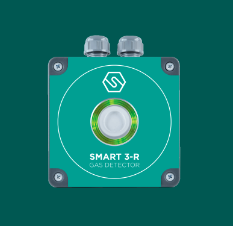
Discover our toxic gas detectors
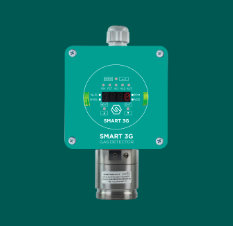
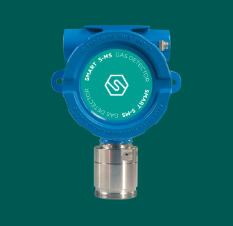
Discover our flammable gas detectors
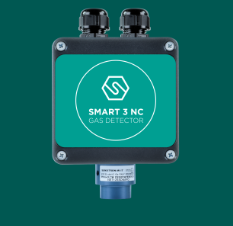
Rely on Sensitron's expertise
For over 35 years, Sensitron has been developing gas detection solutions designed to ensure safety, reliability, and high performance even in the most demanding industrial environments. Founded in 1988 in the province of Milan and now part of the Halma plc group, the company combines research and development, field experience, and regulatory expertise to offer reliable technologies compliant with the highest international standards.
Sensitron systems are designed to detect flammable, toxic, refrigerant, and oxygen gases and are used in numerous sectors: industry, energy, infrastructure, healthcare, construction, and marine applications. All products are CE tested and certified and designed to ensure accurate and long-lasting performance.