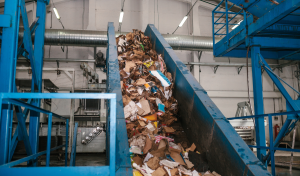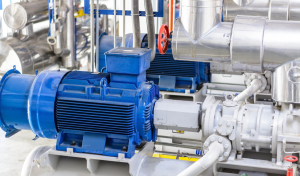
High-risk environments include all industrial areas where the presence of flammable, explosive or toxic substances can generate an immediate hazard to people, plants and facilities. Refineries, chemical plants, fuel depots, power plants, laboratories and waste treatment plants are just a few examples. In these settings, it only takes a small gas leak to cause fire, explosion, or air contamination. Gas detection in high-risk environments is therefore an indispensable part of the safety strategy, and must be designed with strict criteria, complying with regulations such as the ATEX directive.
Index

High-risk environments: why gas detection is important
An ATEX gas detection system makes it possible to:
- Detect the presence of flammable or toxic gases in a timely manner
- Trigger alarms and automated evacuation systems
- Shut off power supply or close valves in an emergency
- Protect personnel from harmful exposures
- Prevent irreversible damage to plant and structures
- Ensure compliance with European and international safety regulations
In these contexts, system reliability makes the difference between prevention and disaster.
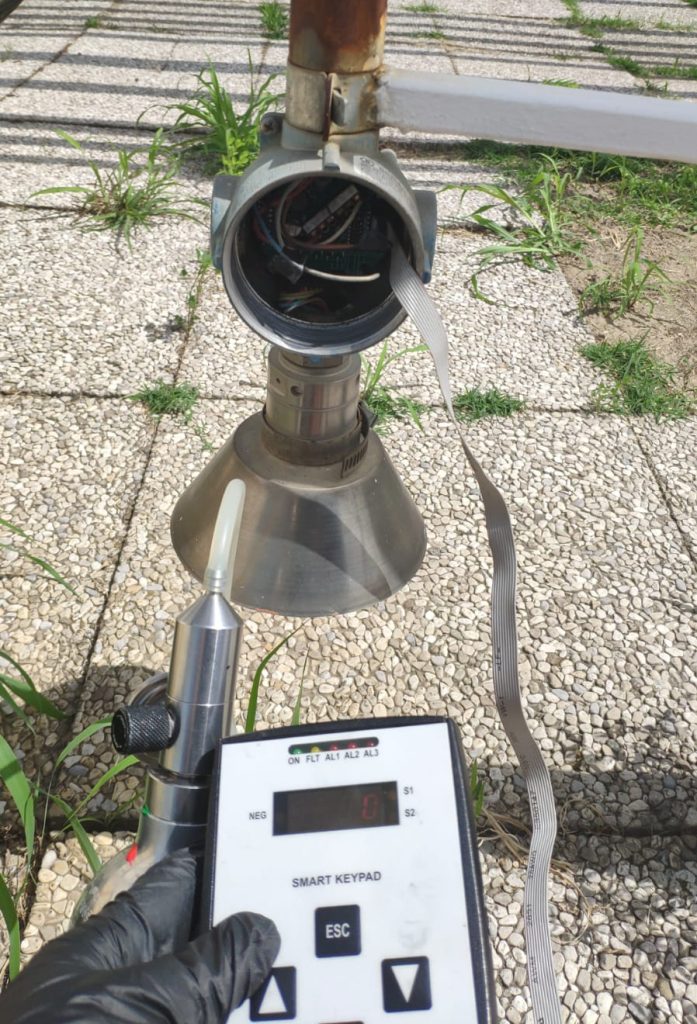
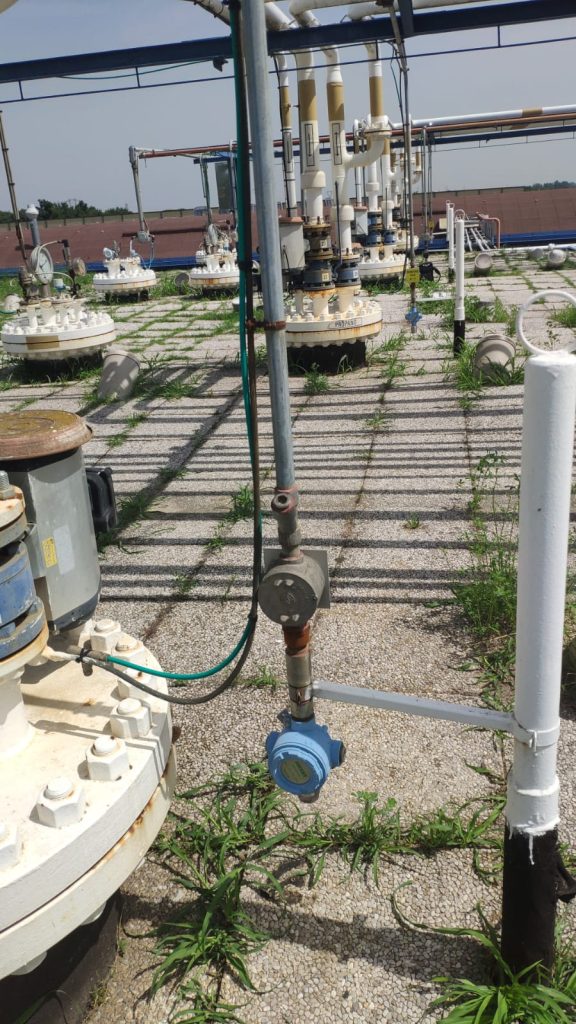
High-risk environments: what are the main gases
Every high-risk environment has a combination of potentially hazardous gases that must be detected with specific instrumentation. The main ones include:
- Methane (CH₄), propane (C₃H₈), butane:
highly flammable combustible gases common in power plants, chemical plants or fuel depots. - Hydrogen (H₂):
very reactive and with a very low explosive threshold. Often found in electrochemical processes or in the energy sector. - Carbon monoxide (CO):
toxic and odorless, is generated in incomplete combustion processes or leaks from boilers and turbines. - Solvents and VOCs (volatile organic compounds):
found in chemical industries, paint and surface treatments. - Ammonia, chlorine, hydrogen sulfide (H₂S):
toxic and corrosive gases used or generated in petrochemical, chemical and water treatment industries. - Oxygen (O₂):
to be monitored in excess or deficiency to prevent hyper-oxygenated or asphyxiating atmospheres.
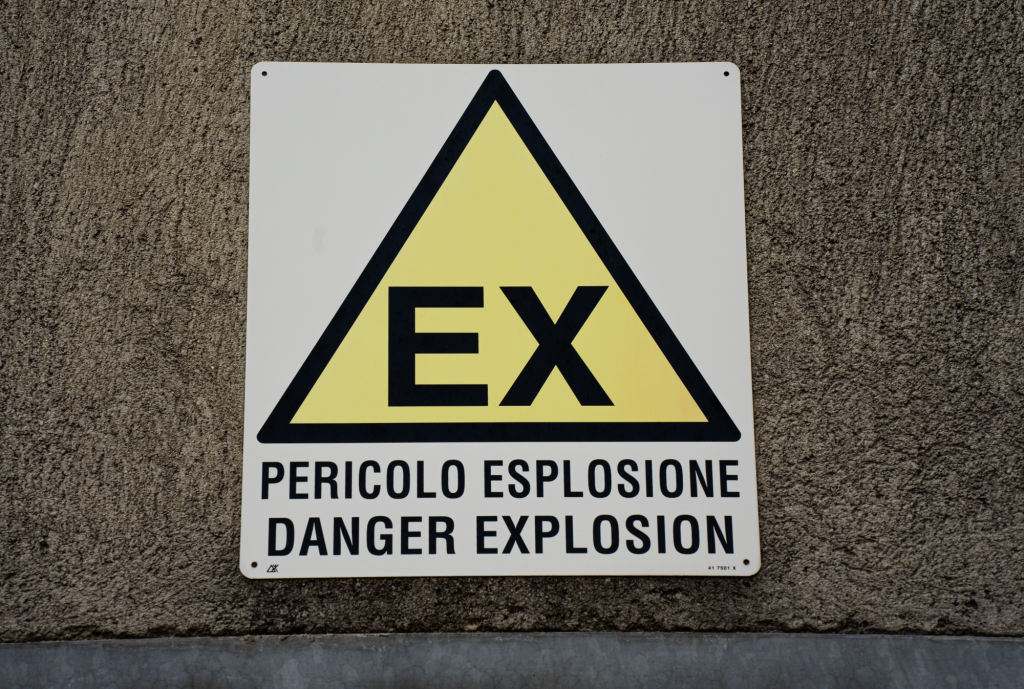
High-risk environments: what are the right solutions?
In critical environments, the detection technology must be ATEX certified and resistant to extreme conditions (high/low temperatures, humidity, dust, corrosive atmospheres). The most commonly used solutions include:
- Infrared (IR) sensors:
ideal for flammable gases and CO₂. Stable, no drift over time, insensitive to environmental changes. - Catalytic sensors:
used to detect combustible gases. Robust and reliable, but to be avoided in oxygen-free atmospheres. - Electrochemical sensors:
suitable for detecting toxic gases (CO, H₂S, NH₃). Excellent accuracy even at very low concentrations. - PID (photoionization detector) sensors:
perfect for VOCs and solvents. They provide real-time readings in complex chemical environments. - Oxygen sensors (O₂):
essential for monitoring hypoxic or hyperoxygenated atmospheres.
High-risk environments: why gas detection is critical
In a high-risk environment, every second counts. Investing in a certified gas detection system not only protects people and assets, but improves plant reliability and reduces legal, environmental and operational risks. Sensitron’s solutions:
- Comply with major European and international standards
- Cover a broad spectrum of gases and critical environments
- Can be customized for specific projects
- They guarantee technical support and ongoing training
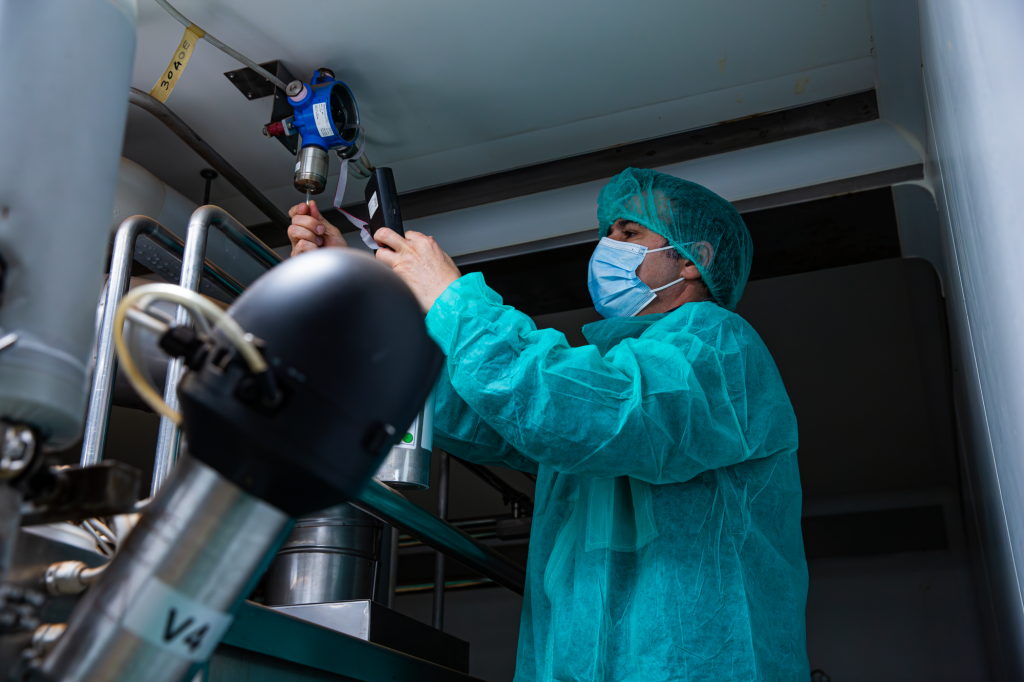
Discover our produtcs
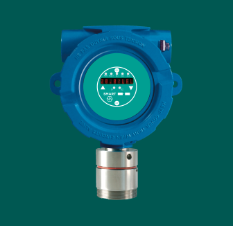
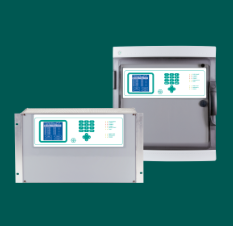
If you operate in hazardous environments, don’t rely on generic solutions. Sensitron designs and supplies advanced gas detection systems for high-risk environments, ATEX certified and built to last.
Sensitron gas detectors are suitable for use in any application:
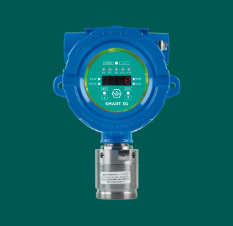
Rely on Sensitron's expertise
For over 35 years, Sensitron has been developing gas detection solutions designed to ensure safety, reliability, and high performance even in the most demanding industrial environments. Founded in 1988 in the province of Milan and now part of the Halma plc group, the company combines research and development, field experience, and regulatory expertise to offer reliable technologies compliant with the highest international standards.
Sensitron systems are designed to detect flammable, toxic, refrigerant, and oxygen gases and are used in numerous sectors: industry, energy, infrastructure, healthcare, construction, and marine applications. All products are CE tested and certified and designed to ensure accurate and long-lasting performance.