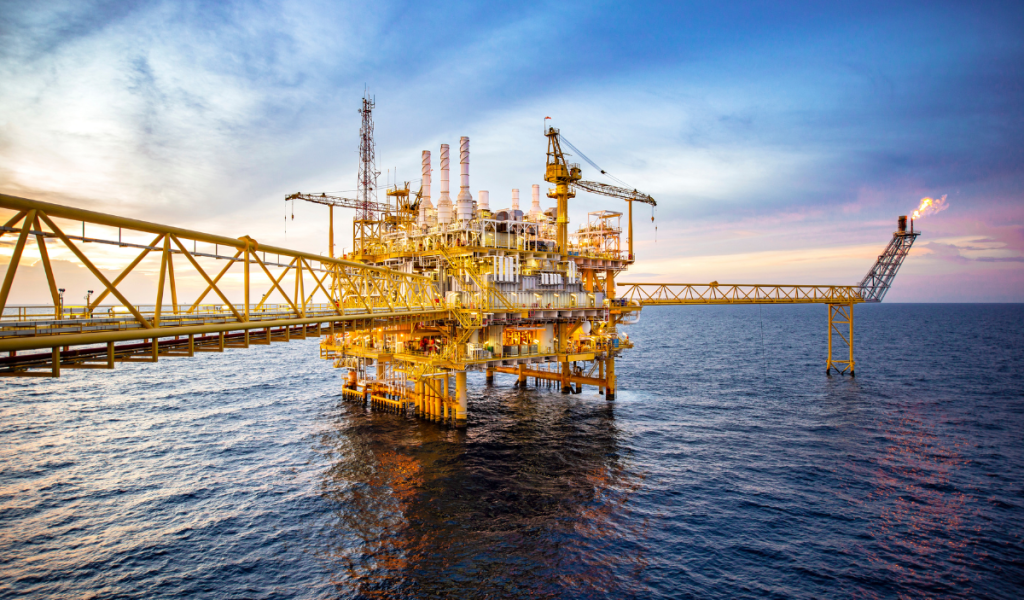
Offshore platforms, used for gas and oil extraction, are extremely high-risk environments. In these isolated and complex facilities, often located hundreds of kilometres from the coast, the presence of flammable, explosive and toxic gases is constant. Even the smallest leak can turn into a disaster. Dozens or hundreds of people work on board, surrounded by high-pressure equipment, volatile hydrocarbons and complex electrical systems. Gas detection on offshore platforms is therefore a fundamental component of prevention and protection strategies.
Index
Offshore platforms: why gas detection is crucial
Without a reliable gas detection system, offshore activities cannot be considered safe or operational. The main advantages of implementation are:
- Prevention of explosions due to combustible gas leaks
- Immediate alert in case of critical thresholds being exceeded
- Protection of personnel, even in closed or ATEX environments
- Compliance with international standards (IECEx, ATEX)
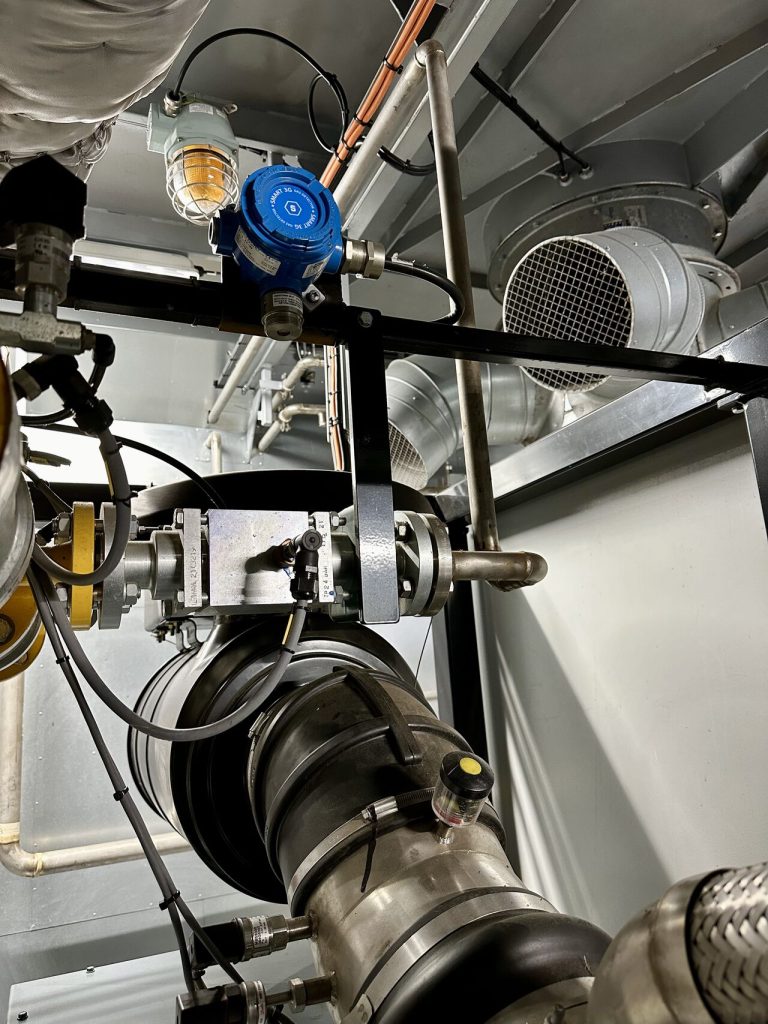
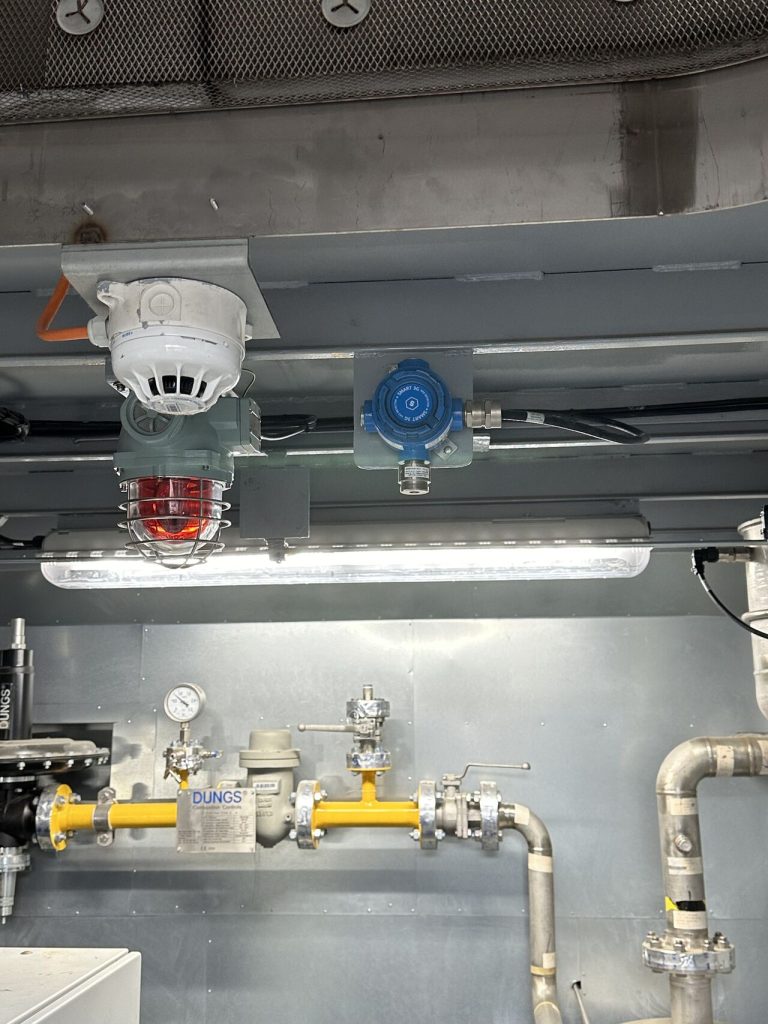
Gas detection also allows remote and centralised monitoring of the status of environments, which is essential in unmanned or partially automated offshore installations.
Offshore platforms: which gases to monitor
In offshore hydrocarbon extraction, processing and transport activities, it is essential to monitor a wide range of hazardous gases, including:
- Methane (CH₄): highly flammable natural gas. It can accumulate in closed or semi-closed areas.
- Hydrogen sulphide (H₂S): extremely toxic, it can be present in deposits. Even small concentrations can be lethal.
- Propane, butane, ethane: liquefied petroleum gases (LPG), highly volatile and flammable.
- Oxygen (O₂): must be monitored to avoid asphyxiating or overly oxygenated atmospheres, which increase the risk of fire.
- Carbon monoxide (CO): produced by combustion, it may be present in engine rooms or generators.
- Volatile organic compounds (VOCs): released by hydrocarbons and solvents used in treatment processes.
A complete offshore gas detection system must cover these gases and ensure maximum accuracy even in extreme environmental conditions.
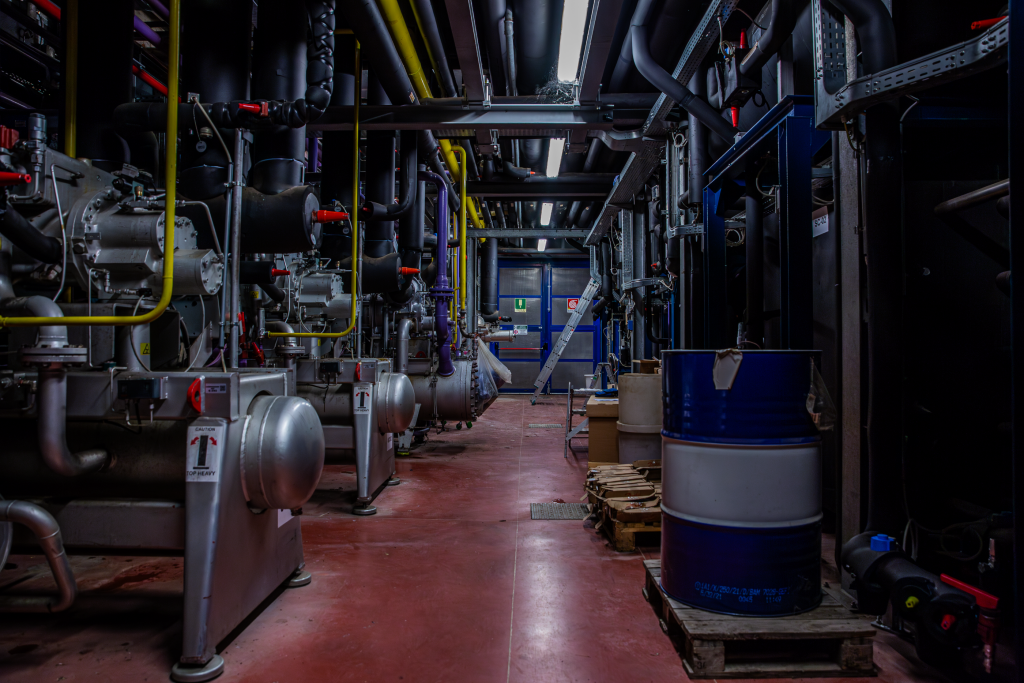
Gas detection technologies for offshore platforms
The technologies used for gas detection in these environments must be robust, certified and suitable for highly corrosive, humid, windy and salty conditions. The most effective solutions include:
- Infrared (IR) sensors: ideal for methane, propane and CO₂. Resistant to humidity and temperature variations.
- Catalytic sensors: used for flammable gases. Robust and suitable for ATEX zones, but sensitive to the presence of oxygen.
- Electrochemical sensors: perfect for H₂S, CO and oxygen. Guarantee high accuracy and low drift.
- PID (photoionisation detector) sensors: used for VOCs and light hydrocarbon vapours. Reactive and suitable for selective detection.
Sensitron devices are available with ATEX, IECEx and MED certifications and are designed for continuous operation even in severe marine weather conditions.
The importance of gas detection
In addition to protecting personnel, gas detection on offshore platforms is an essential measure for:
- Ensuring uninterrupted operational continuity
- Avoiding plant downtime due to accidents or delayed alarms
- Reducing the environmental impact of undetected leaks
- Improving corporate safety
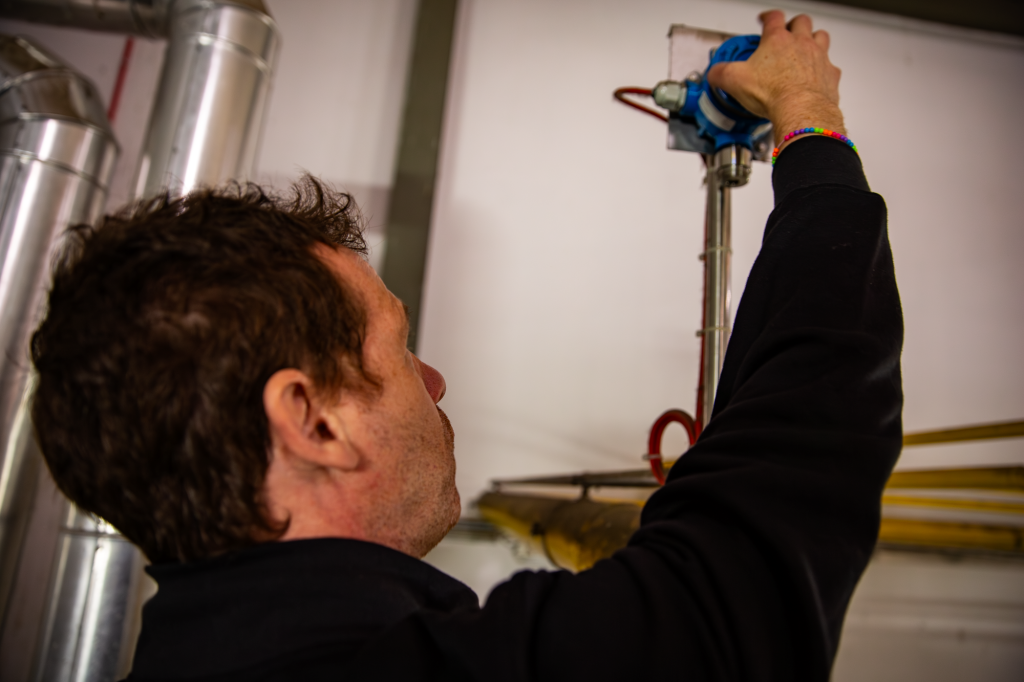
Discover our produtcs
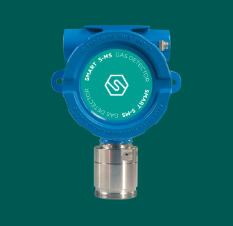
Sensitron gas detectors are suitable for use in any application:
Rely on Sensitron's expertise
For over 35 years, Sensitron has been developing gas detection solutions designed to ensure safety, reliability, and high performance even in the most demanding industrial environments. Founded in 1988 in the province of Milan and now part of the Halma plc group, the company combines research and development, field experience, and regulatory expertise to offer reliable technologies compliant with the highest international standards.
Sensitron systems are designed to detect flammable, toxic, refrigerant, and oxygen gases and are used in numerous sectors: industry, energy, infrastructure, healthcare, construction, and marine applications. All products are CE tested and certified and designed to ensure accurate and long-lasting performance.