In the industrial world, a breakdown does not just mean machine downtime. It can mean economic losses, personal injury, environmental impact, or regulatory violations. In contexts where flammable, toxic, or asphyxiating gases are handled, a malfunction can have serious consequences. For this reason, scheduled maintenance is a strategic tool for ensuring the safety of industrial plants, improving equipment reliability, and drastically reducing the risk of accidents.
Index
Scheduled maintenance: what is it?
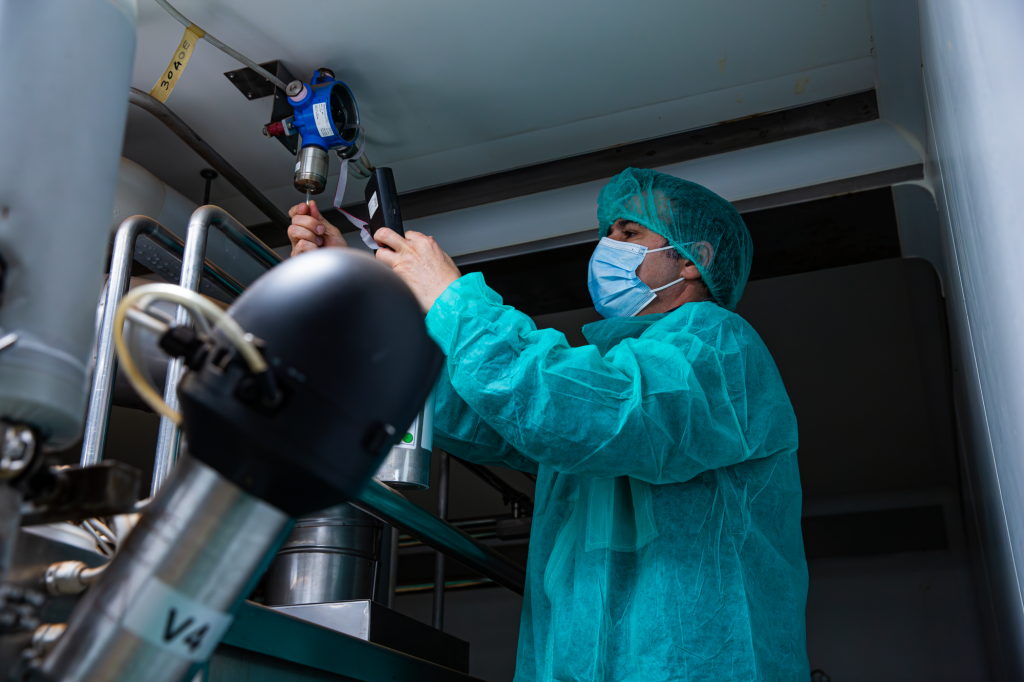
Scheduled maintenance consists of regular and planned checks, calibrations, and replacements, even in the absence of apparent malfunctions. Applied to gas detection systems, this strategy allows you to:
- Ensure consistent sensor performance over time
- Avoid false alarms or missed detections
- Extend the useful life of the equipment
- Maintain compliance with safety regulations (Legislative Decree 81/08, ATEX, ISO)
- Reduce the risk of accidents and unexpected interruptions
Scheduled maintenance is an investment in prevention, not a cost.
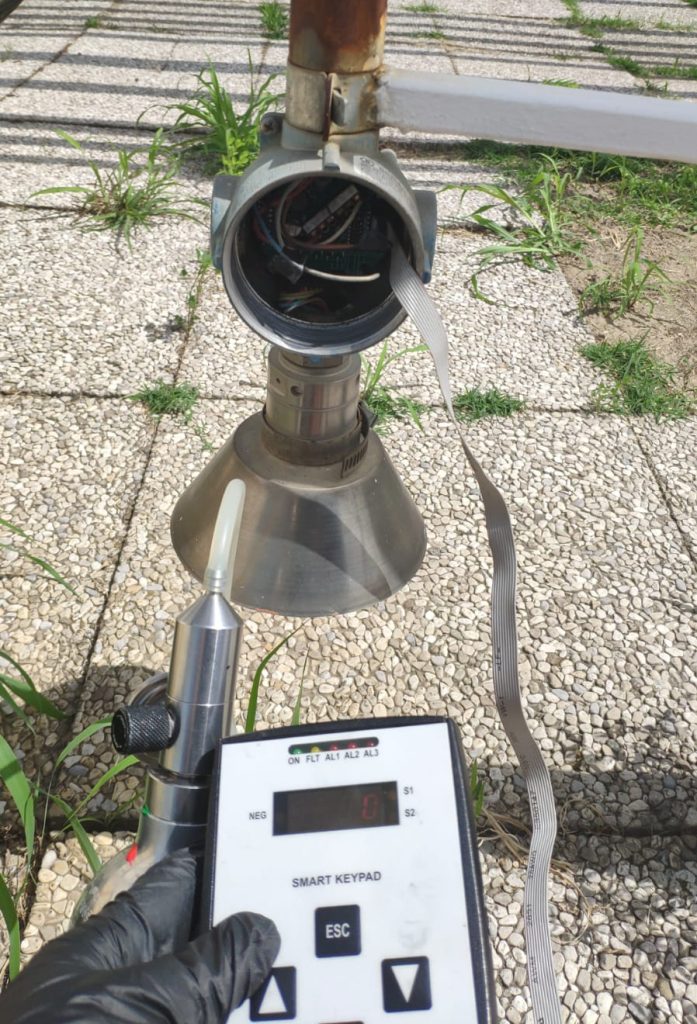
Scheduled maintenance: when it is essential
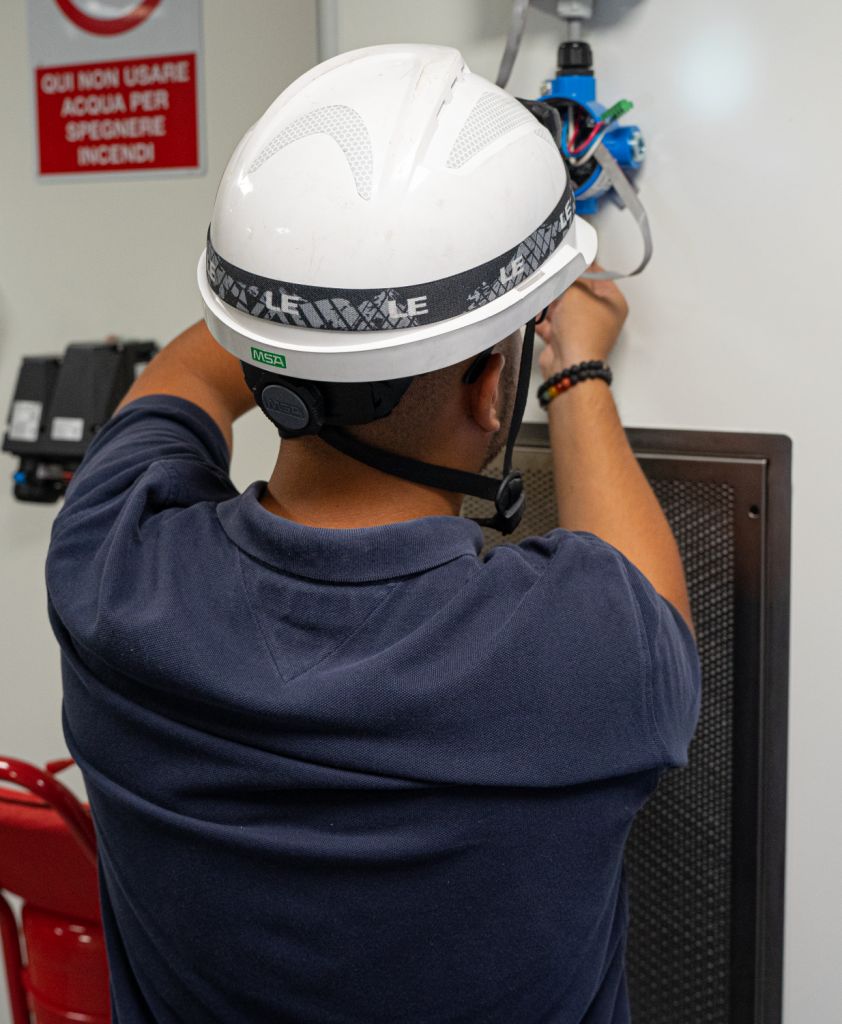
Any plant that uses technical gases or generates potentially hazardous atmospheres must include a scheduled maintenance plan. In particular:
- Chemical and petrochemical plants
- Offshore platforms and refineries
- Warehouses and cold rooms with refrigerants
- Gas storage and distribution stations
- Waste and wastewater treatment plants
- Food and pharmaceutical industries with cryogenic or inert gases
In these contexts, even a single malfunctioning sensor can compromise the effectiveness of the entire safety system.
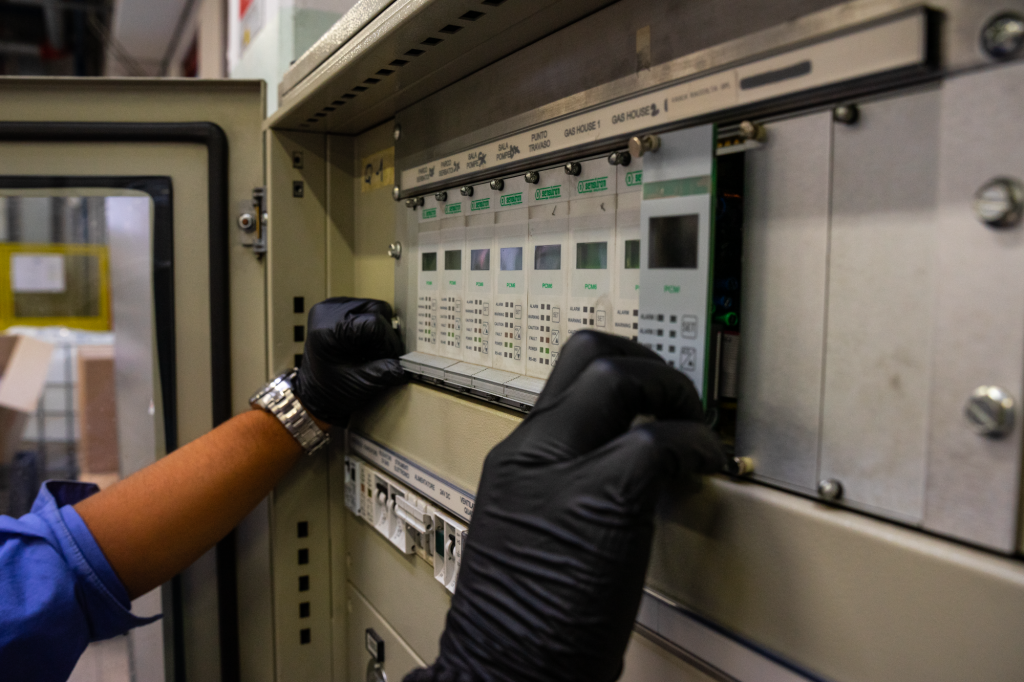
Planned maintenance: what does it involve?
A scheduled maintenance plan for gas detectors involves various technical activities to be performed at regular intervals:
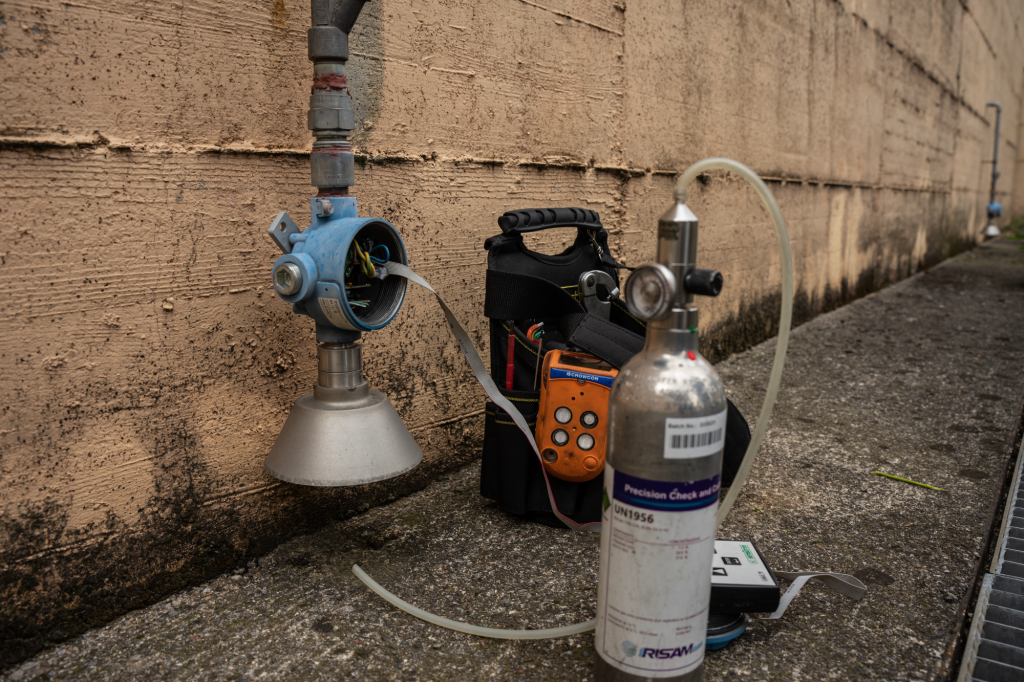
- Checking sensor response with sample gas
- Calibration and recalibration of detectors
- Cleaning and checking hardware
- Functional testing of alarm signals, relays, and digital outputs
- Checking the status of connections and power supply
- Updating the firmware or control software
All these operations must be carried out by qualified personnel and documented in accordance with the manufacturer’s guidelines.
What are the advantages?
Integrating scheduled maintenance into gas detection systems offers numerous concrete benefits:
- Greater device reliability
- Reduced risk of critical failures
- Maintenance of regulatory compliance
- Better management of audits and inspections
- Control of maintenance costs in the medium to long term
- Greater safety for personnel and facilities
Scheduled maintenance creates a controlled environment where emergencies become avoidable events.
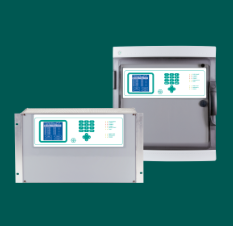
Discover our produtcs
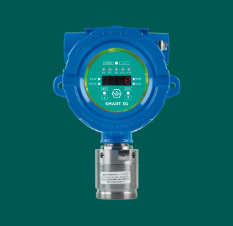
Sensitron gas detection devices are designed to facilitate every phase of scheduled maintenance, thanks to:
- Self-diagnostic and self-calibration functions
- Intuitive interfaces with notifications of required intervention
- Integrated event history and maintenance logs
Furthermore, we offer technical support services and scheduled maintenance contracts tailored to the actual needs of your system, ensuring peace of mind and operational continuity.

Rely on Sensitron's expertise
For over 35 years, Sensitron has been developing gas detection solutions designed to ensure safety, reliability, and high performance even in the most demanding industrial environments. Founded in 1988 in the province of Milan and now part of the Halma plc group, the company combines research and development, field experience, and regulatory expertise to offer reliable technologies compliant with the highest international standards.
Sensitron systems are designed to detect flammable, toxic, refrigerant, and oxygen gases and are used in numerous sectors: industry, energy, infrastructure, healthcare, construction, and marine applications. All products are CE tested and certified and designed to ensure accurate and long-lasting performance.