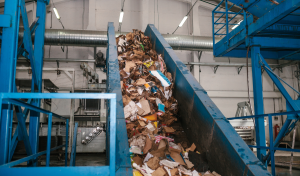
Chemical plants are high-risk environments where the handling of toxic, corrosive, flammable or explosive substances requires extremely rigorous safety standards.
A failure or gas leak can have serious consequences not only for personnel, but also for surrounding communities and the environment. For this reason, safety regulations for chemical plants establish clear criteria for the design, installation and maintenance of prevention systems, including gas detection.
Index
Chemical plants: Why regulations are essential
Regulations are not just a legal obligation: they guarantee that a plant is designed and managed to minimise risks.
For companies, complying with safety regulations in chemical plants means:
- Protecting workers and surrounding communities
- Preventing industrial accidents with environmental and economic impacts
- Ensuring the operational continuity of plants
- Avoiding penalties, plant shutdowns or revocation of authorisations
- Demonstrating responsibility and sustainability to customers and stakeholders
The main reference regulations
Chemical plants must comply with a complex regulatory framework, which includes European regulations, international directives and national provisions. Among the main references are:
- ATEX Directive (2014/34/EU and 99/92/EC): regulates equipment and locations with a risk of explosive atmospheres.
- IEC/EN 60079 standards: international standards for equipment intended for use in potentially explosive atmospheres.
- Legislative Decree 81/08 (Italy): Consolidated Law on Occupational Safety, which incorporates specific requirements for high-risk plants.
Chemical plants: what are the main gases?
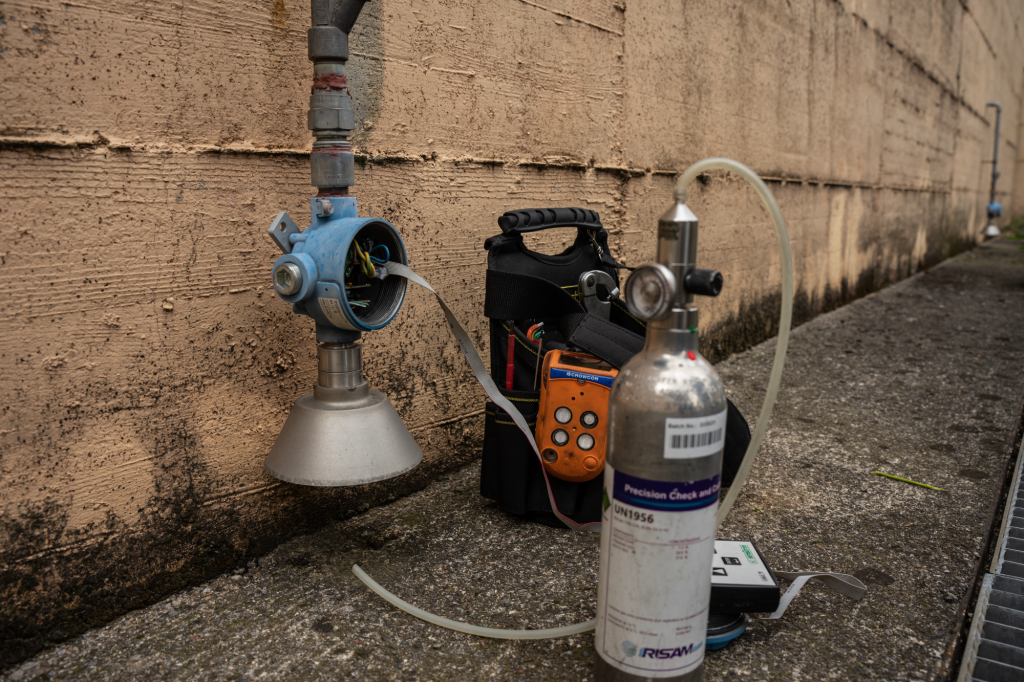
The variety of chemical processes involves the presence of various hazardous gases and vapours. The most common ones to detect include:
- Hydrogen (H₂): highly flammable, with a low explosion limit.
- Chlorine (Cl₂): toxic and corrosive, used in various chemical processes.
- Ammonia (NH₃): used in fertilisers and refrigeration, toxic and irritating.
- Hydrogen sulphide (H₂S): extremely toxic, present in refining and chemical processes.
- Solvents and VOCs: flammable and harmful, emitted from production and storage processes.
- Carbon monoxide (CO): by-product of reactions or incomplete combustion.
- Oxygen (O₂): to be monitored for deficient or hyperoxygenated atmospheres.
Technologies for regulatory compliance
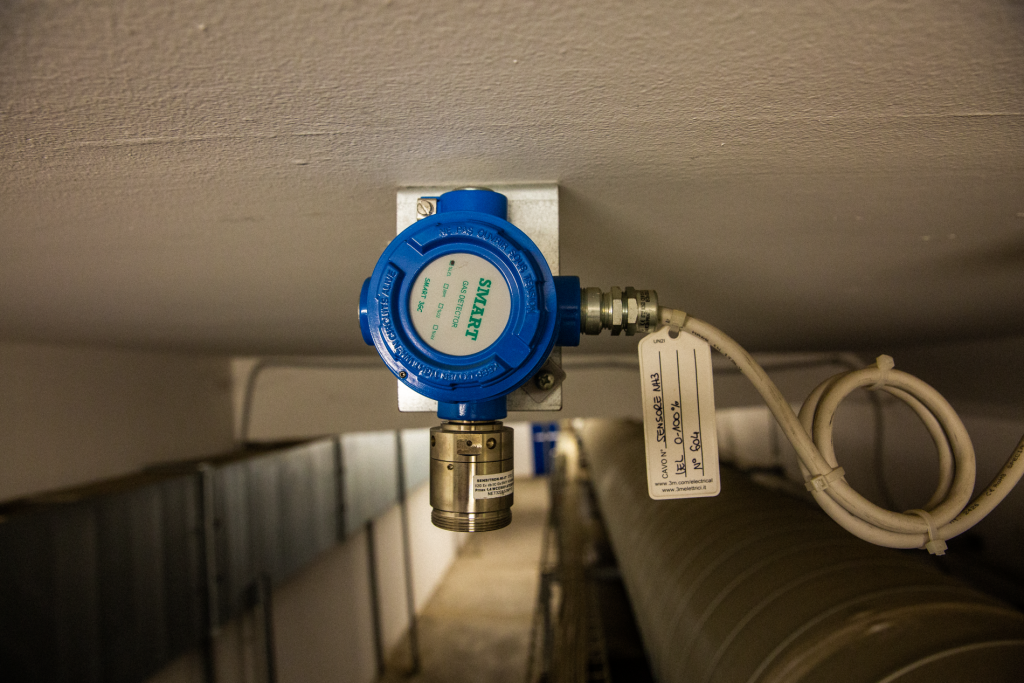
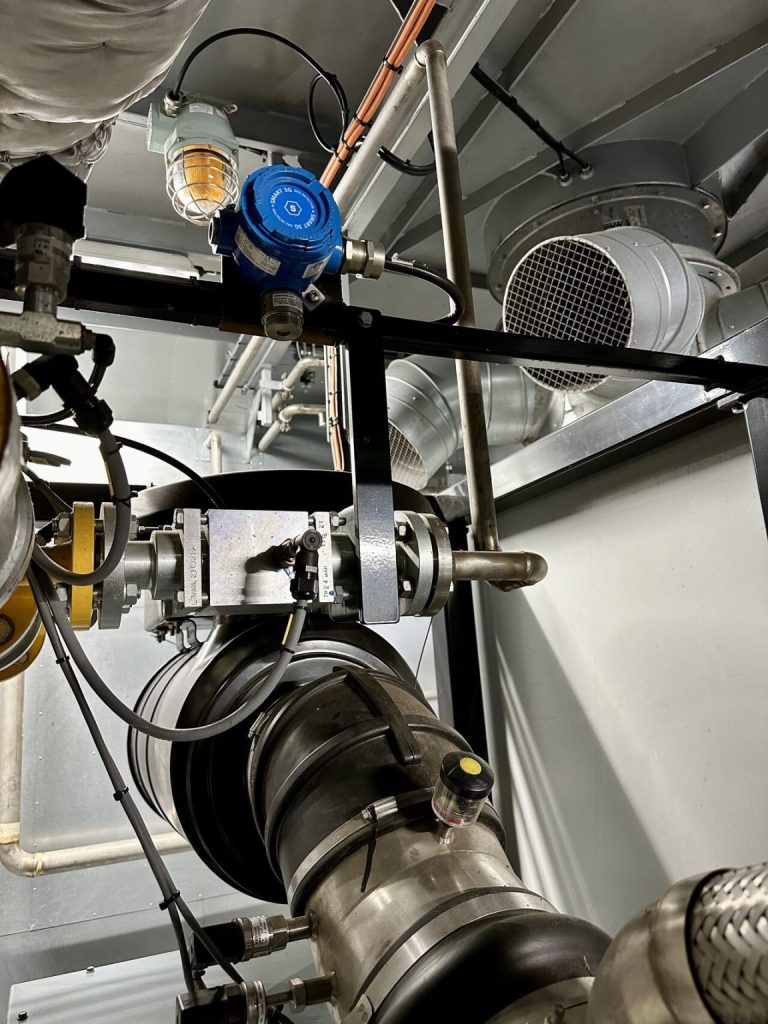
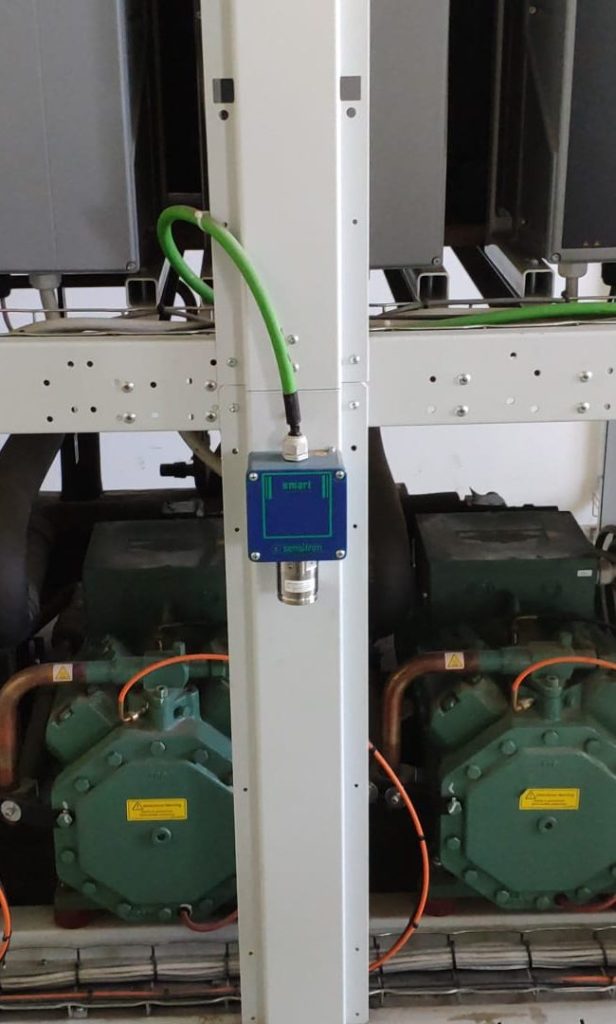
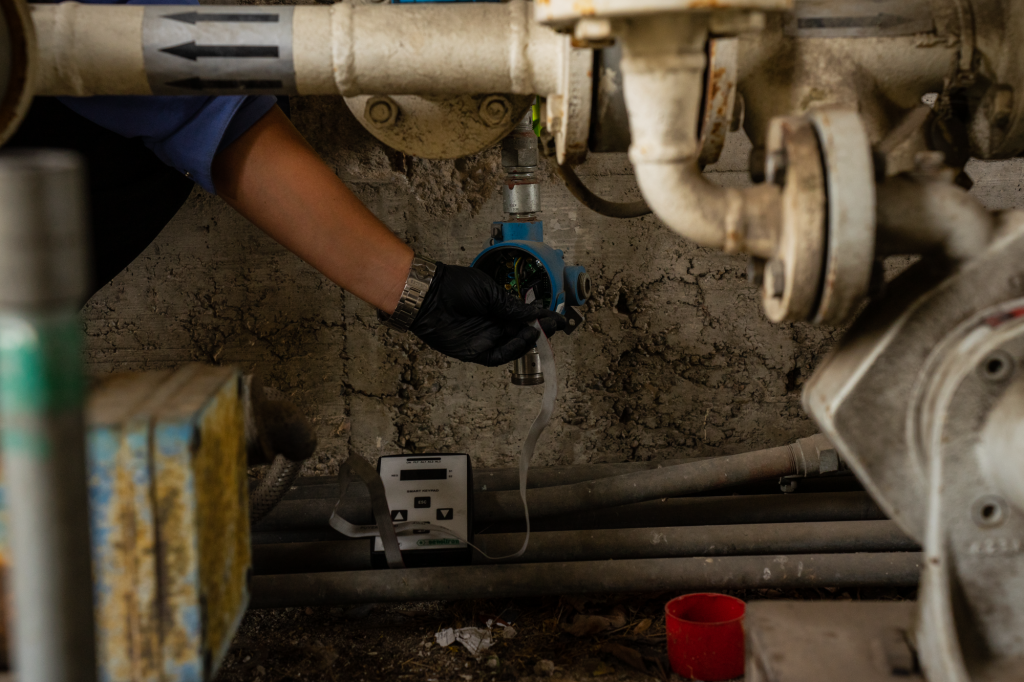
To comply with safety regulations in chemical plants, gas detection systems must be certified and suitable for the installation environment. The main technologies include:
- Infrared (IR) sensors: stable and accurate for combustible gases and CO₂.
- Catalytic sensors: for the detection of flammable gases in ATEX atmospheres.
- Electrochemical sensors: ideal for toxic gases such as Cl₂, CO, H₂S, NH₃.
- PID (photoionisation detector) sensors: effective for VOCs and organic solvents.
- The adoption of the appropriate technology ensures not only protection but also full regulatory compliance.
The advantages of a compliant system
Implementing a compliant system offers tangible benefits for chemical plants:
- Reduced risk of serious accidents
- Improved management of production processes in terms of safety
- Enhanced reputation with regulatory bodies and customers
- Business continuity without interruptions due to non-compliance
- Demonstration of commitment to sustainability and social responsibility
Discover our produtcs
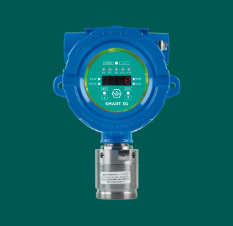
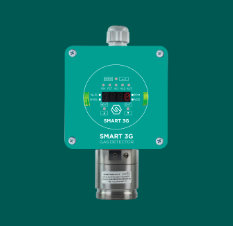
Sensitron gas detectors are suitable for use in any application:

Rely on Sensitron's expertise
For over 35 years, Sensitron has been developing gas detection solutions designed to ensure safety, reliability, and high performance even in the most demanding industrial environments. Founded in 1988 in the province of Milan and now part of the Halma plc group, the company combines research and development, field experience, and regulatory expertise to offer reliable technologies compliant with the highest international standards.
Sensitron systems are designed to detect flammable, toxic, refrigerant, and oxygen gases and are used in numerous sectors: industry, energy, infrastructure, healthcare, construction, and marine applications. All products are CE tested and certified and designed to ensure accurate and long-lasting performance.