Urban gas distribution systems are critical infrastructure for everyday life: they supply homes, offices, production facilities and public services.
The network must guarantee a continuous and safe supply of natural gas or LPG, often distributed through kilometres of underground pipes and pressure reduction stations. Any leak or anomaly in these networks can have significant consequences: fires, explosions, service interruptions and serious risks to the population. This is why gas detection in urban systems is a pillar of safety.
Index
Why monitor gas distribution networks?
Integrating detection and monitoring systems into urban networks means:
- Preventing gas leaks in densely populated areas
- Reducing the risk of accidents and explosions
- Ensuring continuity of service to citizens and businesses
- Ensuring compliance with safety and environmental regulations
- Protecting infrastructure from costly damage and interruptions
In an urban setting, timeliness is crucial: the ability to quickly identify a leak can mean the difference between a controlled anomaly and a disaster.
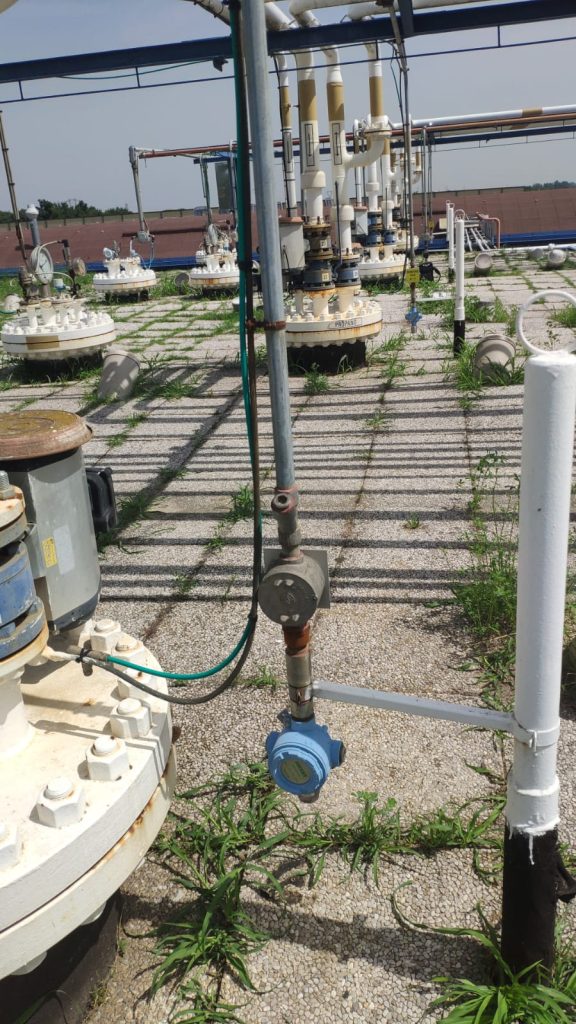
The main risk factors in urban networks
Leaks and anomalies in urban gas distribution systems can result from various factors, including:
- Corrosion of underground pipes
- Accidental damage from road works or excavations
- Failures in pressure reduction and regulation cabinets
- Defective connections or joints
- Ageing infrastructure
- Lack of continuous monitoring systems
Identifying these critical issues is the first step in preventing accidents.
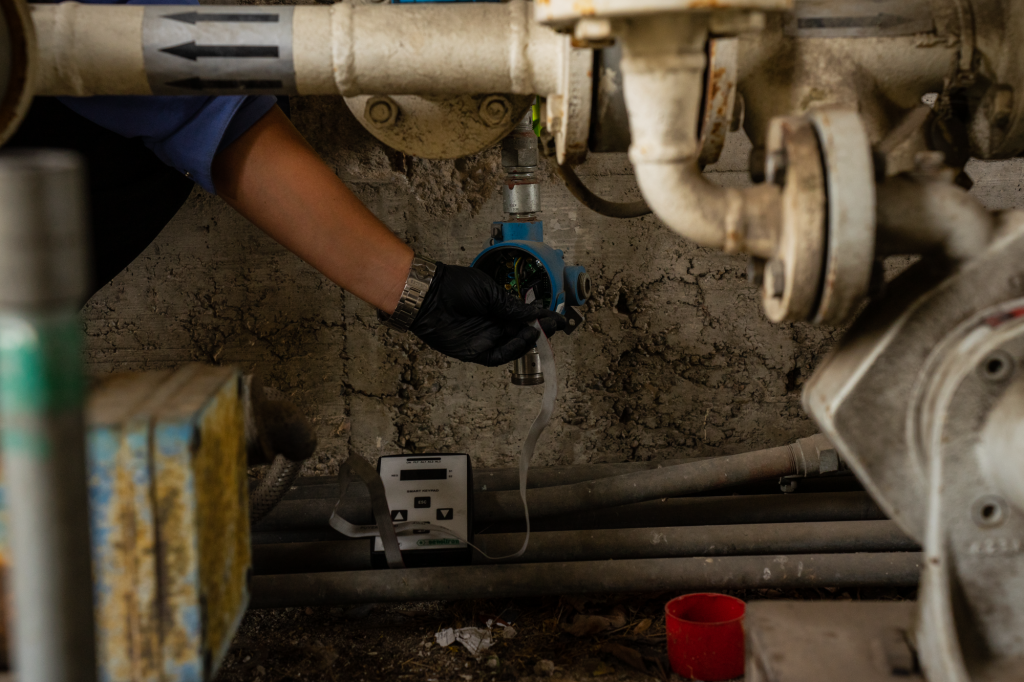
Gases and parameters to be monitored in urban networks
The type of gas to be monitored depends on the system used (methane or LPG). The most common include:
- Methane (CH₄): the main fuel distributed in urban areas, highly flammable.
- Propane and butane (LPG): used in local networks or centralised tanks, also explosive in the event of leaks.
- Carbon monoxide (CO): a by-product of incomplete combustion, to be monitored in areas of use.
- Oxygen (O₂): useful for assessing hypoxic atmospheres in confined spaces where gas leaks can accumulate.
Technologies for gas detection in urban networks
Technological solutions to ensure the safety of urban gas distribution systems include:
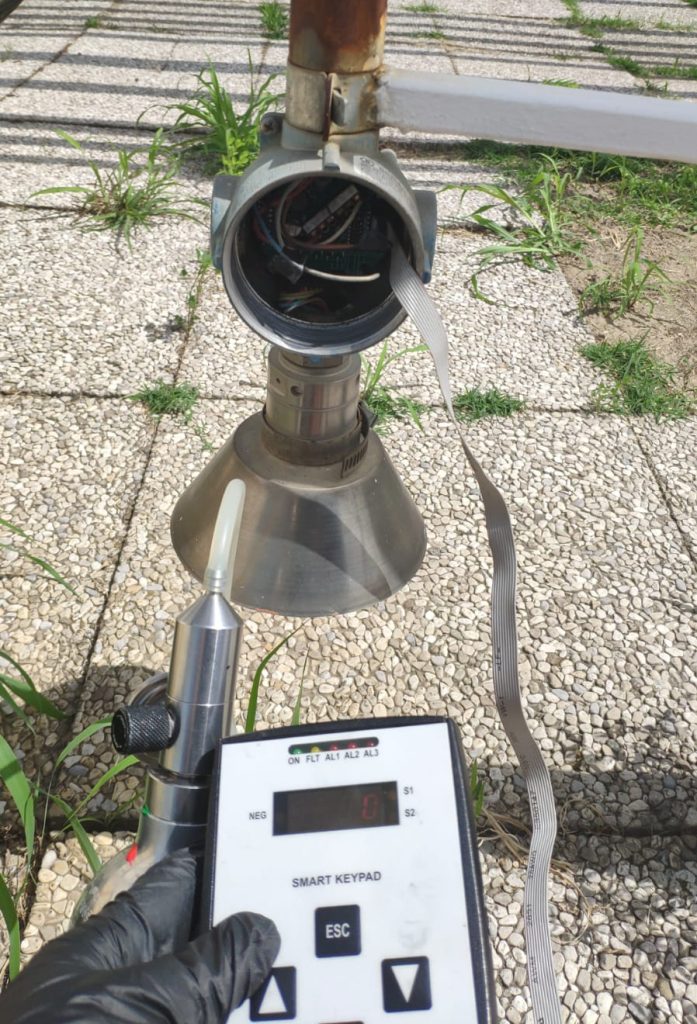
- Infrared (IR) sensors: stable and accurate for methane and LPG, resistant to contaminants.
- Catalytic sensors: suitable for detecting combustible gases in %LEL.
- Electrochemical sensors: for CO and other toxic gases associated with combustion.
The combination of these technologies ensures both immediate safety and preventive management of infrastructure.
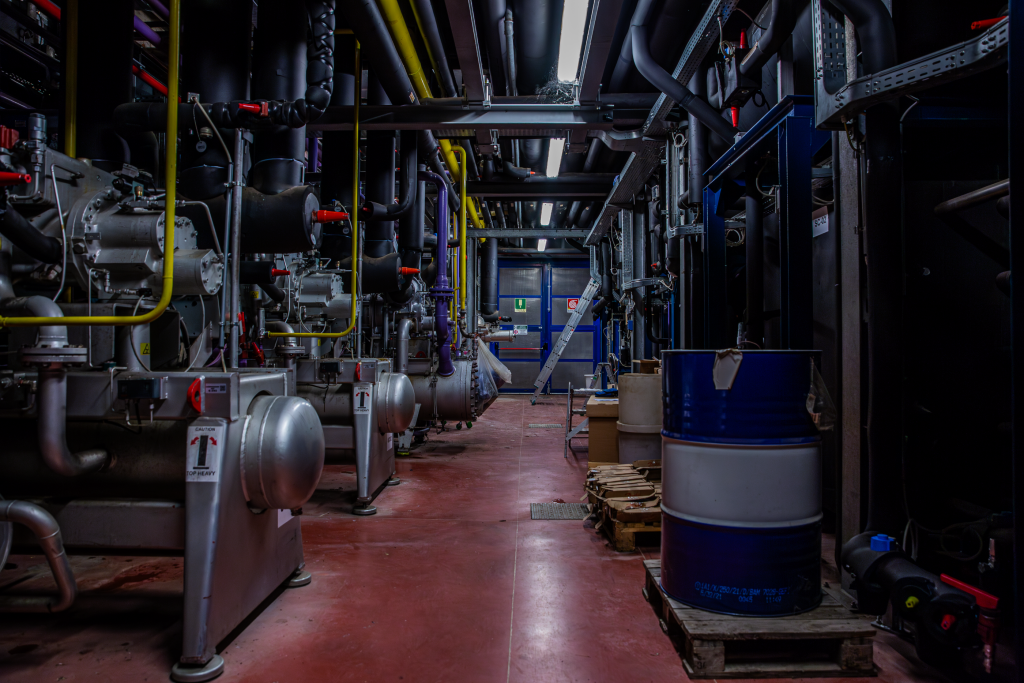
Discover our produtcs
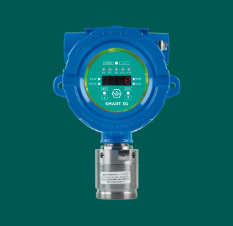
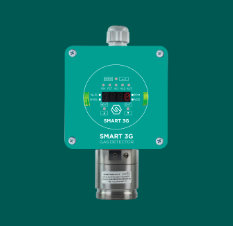
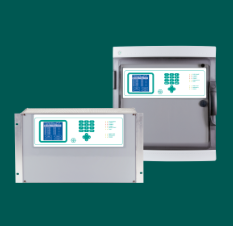
Sensitron offers ATEX and SIL2 certified devices, designed to ensure continuous monitoring in urban gas distribution networks. Our systems include:
- Catalytic and infrared sensors for methane and LPG
- Electrochemical detectors for toxic gases
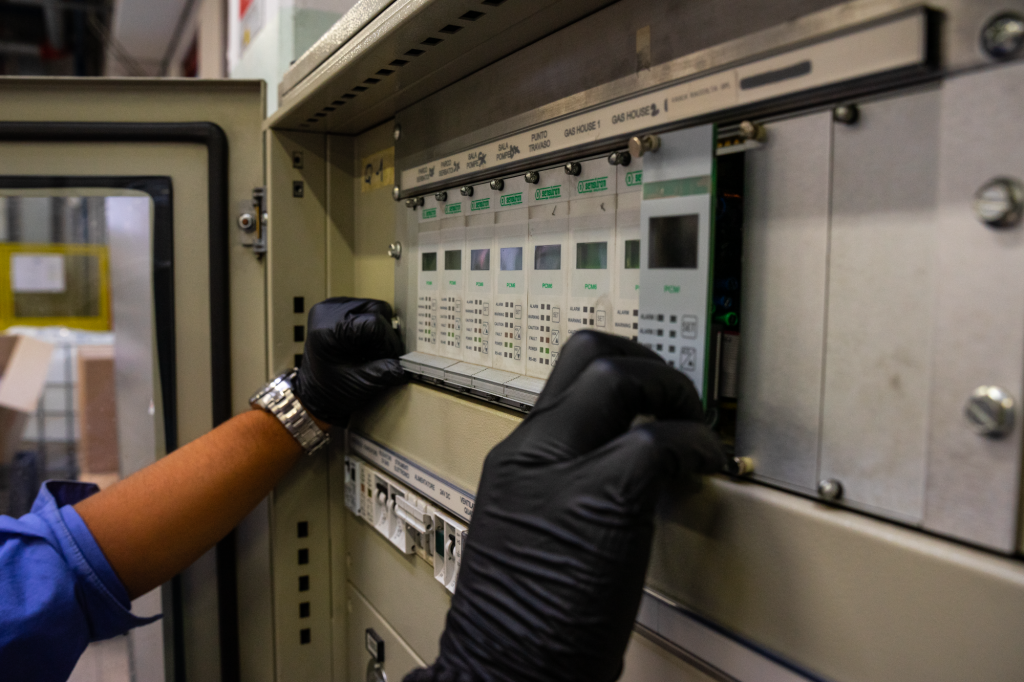
- Centralized controllers with multipoint management
- Technical support and scheduled maintenance
Rely on Sensitron's expertise
For over 35 years, Sensitron has been developing gas detection solutions designed to ensure safety, reliability, and high performance even in the most demanding industrial environments. Founded in 1988 in the province of Milan and now part of the Halma plc group, the company combines research and development, field experience, and regulatory expertise to offer reliable technologies compliant with the highest international standards.
Sensitron systems are designed to detect flammable, toxic, refrigerant, and oxygen gases and are used in numerous sectors: industry, energy, infrastructure, healthcare, construction, and marine applications. All products are CE tested and certified and designed to ensure accurate and long-lasting performance.