
Toluene is an organic solvent widely used in the pharmaceutical industry for the synthesis of active ingredients, extraction of compounds and other laboratory operations. Despite its usefulness, toluene poses significant risks to human health and the environment, making its detection and monitoring in industrial processes crucial.
Index
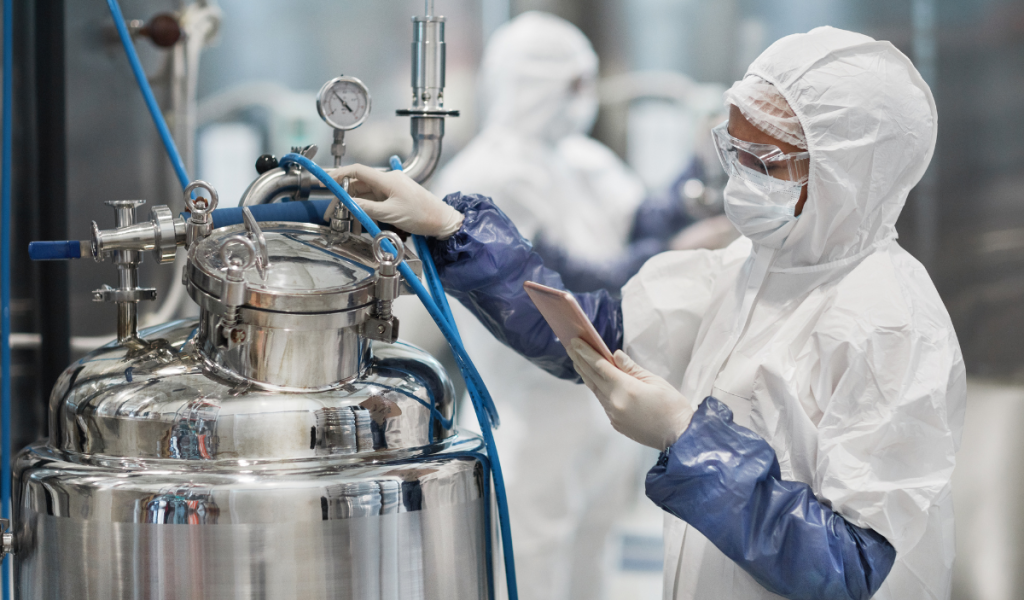
Toluene detection, why it is important
Exposure to toluene can cause a range of health problems:
- Acute: Eye, nose and throat irritation, headaches, dizziness and confusion.
- Chronic: Central nervous system damage, liver and kidney effects, and potential reproductive effects.
Inhalation of toluene vapor is the most common route of exposure, making monitoring of its presence in the air within work environments crucial.
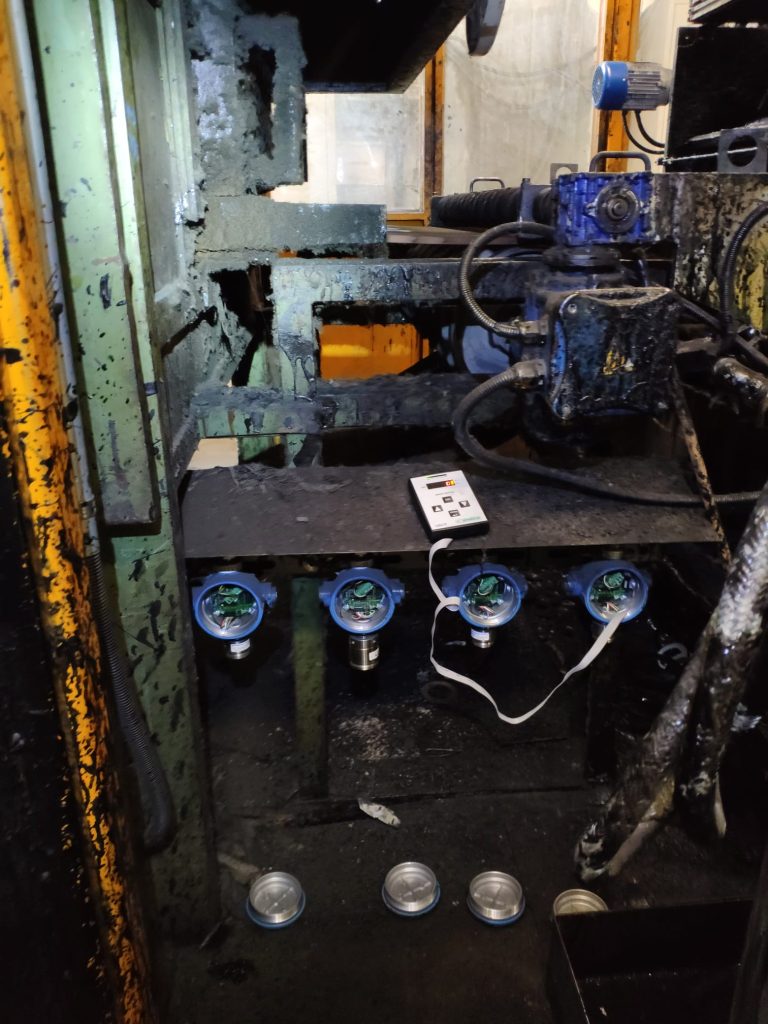
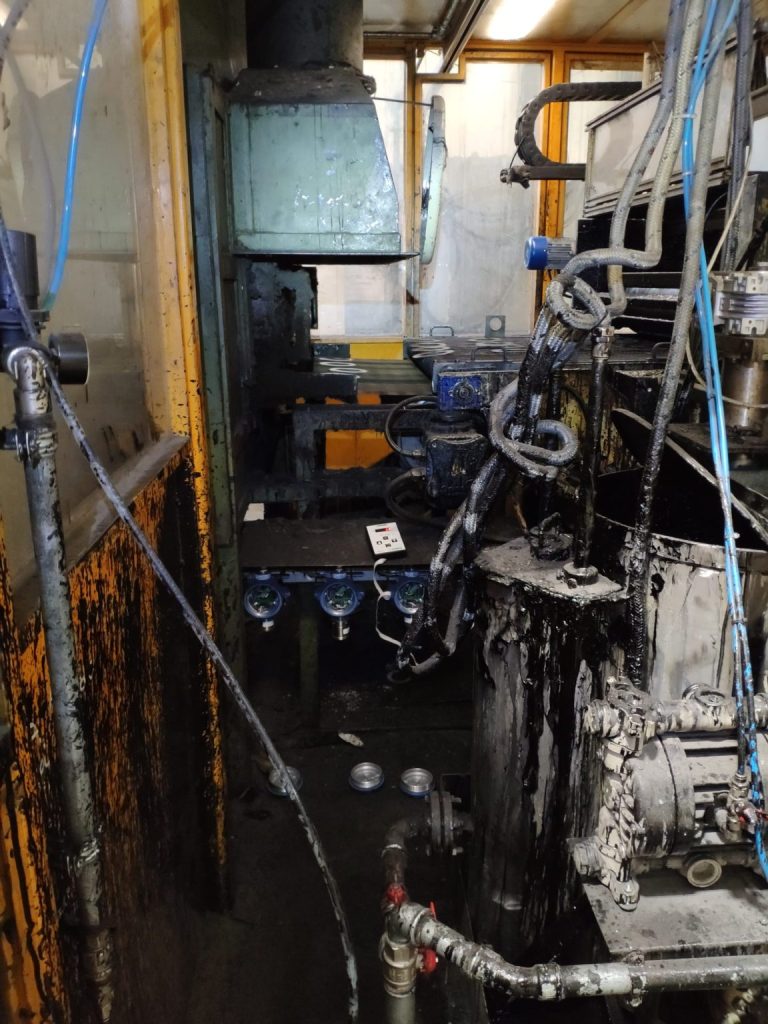
Toluene detection: most common uses
Toluene has chemical and physical properties that make it suitable for a wide range of applications, including:
- Chemical synthesis: it is used as a reagent or solvent in chemical synthesis reactions to produce various drugs and active pharmaceutical ingredients. It is essential in processes such as nitriding, chlorination and other organic reactions.
- Benzaldehyde and phenol production: toluene is oxidized to obtain the chemicals used as intermediates in various syntheses.
- Compound extract: used to extract active ingredients from plants and other natural materials because of its ability to dissolve a wide range of organic compounds.
- Solvent for laboratory reactions: in chemical and pharmaceutical laboratories, toluene is frequently used as a solvent for a wide range of chemical reactions and for cleaning equipment.
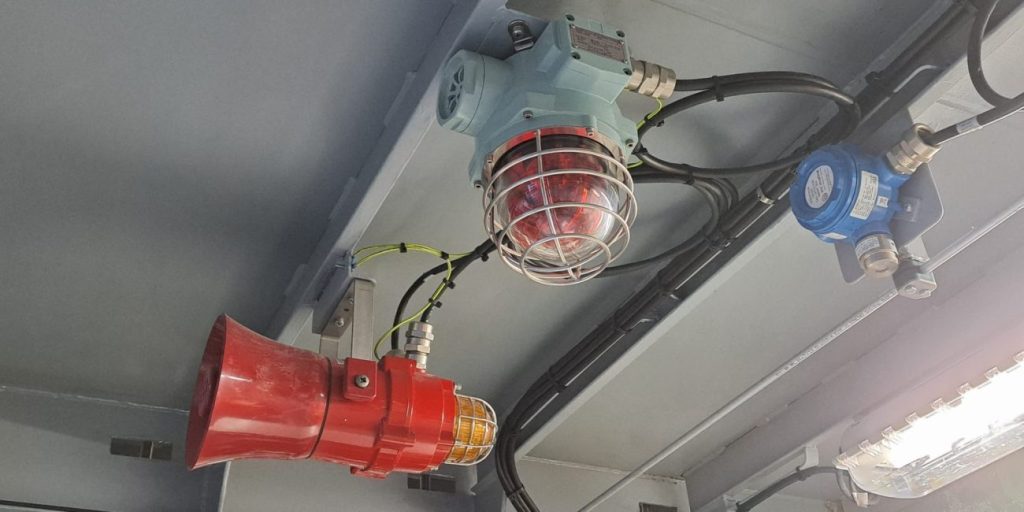
The benefits of using toluene
Toluene has several characteristics that make its use advantageous:
- It effectively dissolves many organic compounds, making it an ideal solvent for various industrial applications
- It is widely available and relatively inexpensive, making it a very viable.
- Toluene’s volatility and relatively low boiling point make it easy to remove from end products by evaporation.
Technologies used for the detection of toluene
A PID technology sensor can be used for the proper detection of toluene. Its lifetime depends on various factors, including the quality of the sensor itself, operating conditions and frequency of use. However, key elements, such as the UV lamp, have life cycles ranging from 6 to 12 months, necessitating maintenance for replacement. In addition, depending on the manufacturer’s instructions, periodic calibration of the detector will also be necessary to ensure accurate detection.
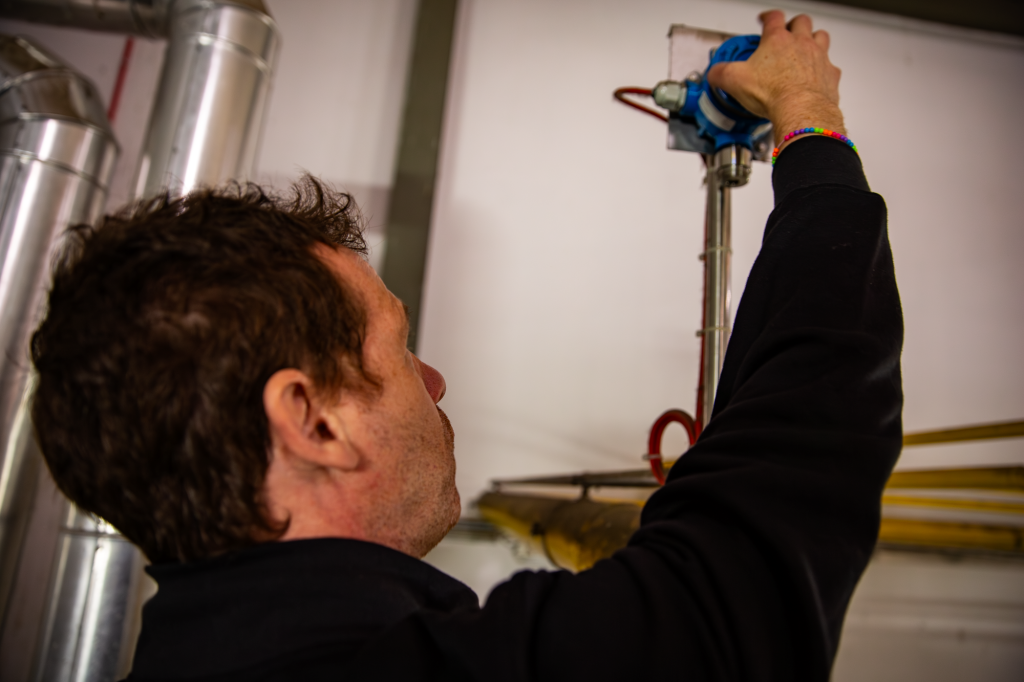
Discover our toluene detectors
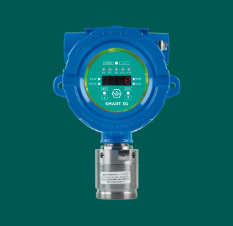
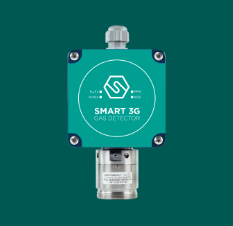
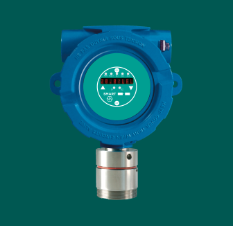
Rely on Sensitron's expertise
For over 35 years, Sensitron has been developing gas detection solutions designed to ensure safety, reliability, and high performance even in the most demanding industrial environments. Founded in 1988 in the province of Milan and now part of the Halma plc group, the company combines research and development, field experience, and regulatory expertise to offer reliable technologies compliant with the highest international standards.
Sensitron systems are designed to detect flammable, toxic, refrigerant, and oxygen gases and are used in numerous sectors: industry, energy, infrastructure, healthcare, construction, and marine applications. All products are CE tested and certified and designed to ensure accurate and long-lasting performance.