Home » News » Naval and gas detection: protecting crews, vessels, and critical operations
Naval and gas detection: protecting crews, vessels, and critical operations
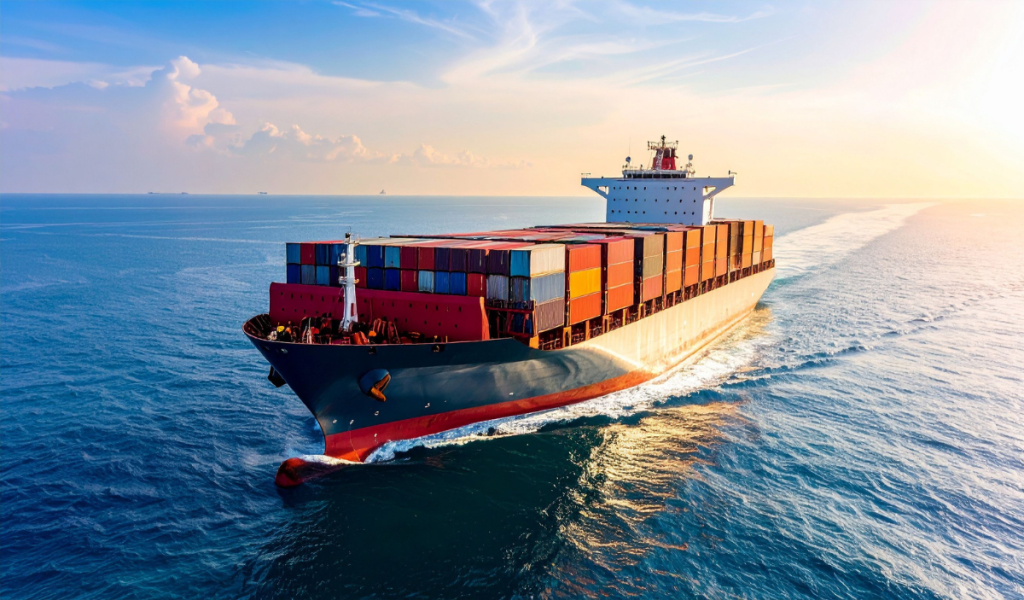
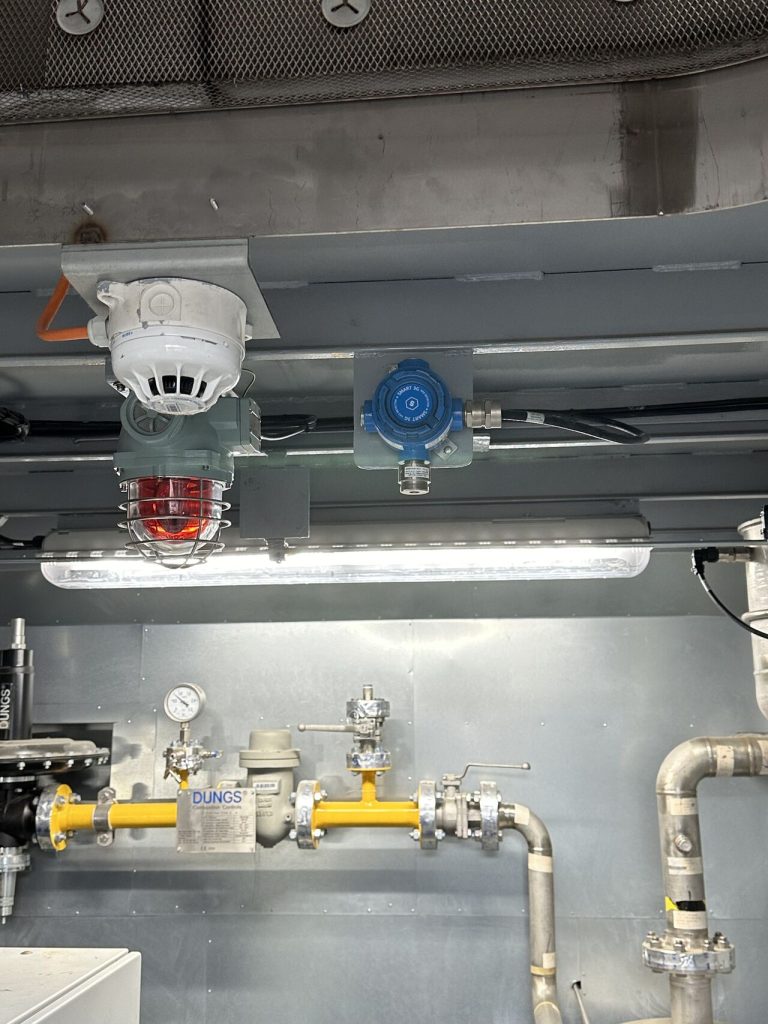
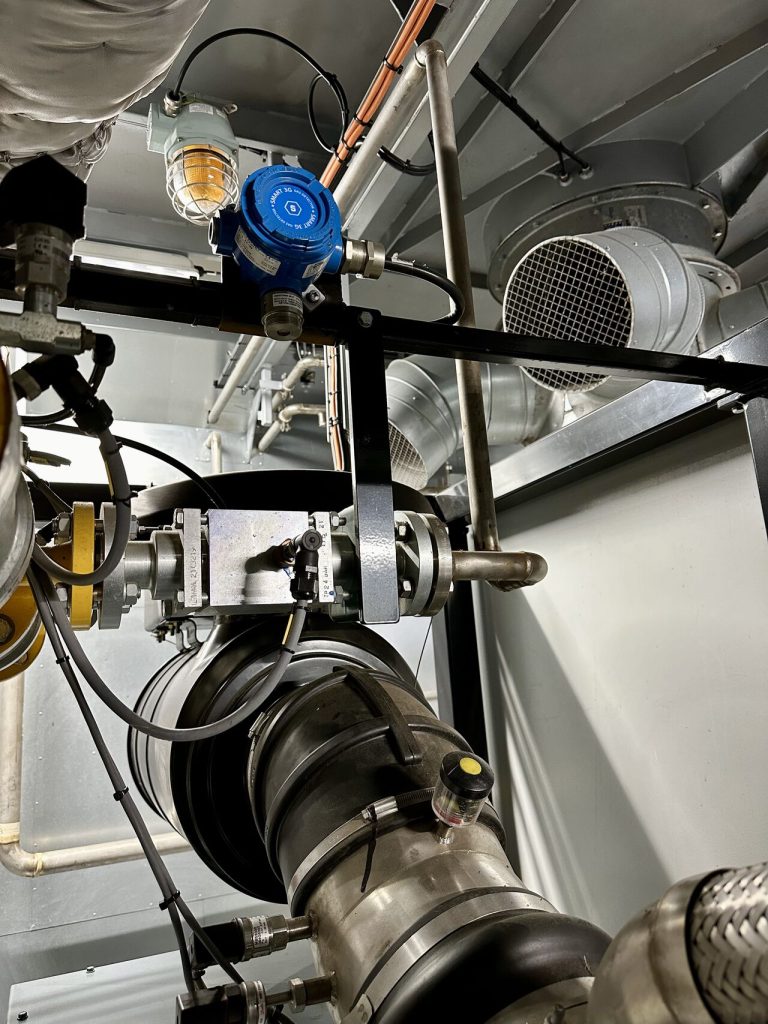
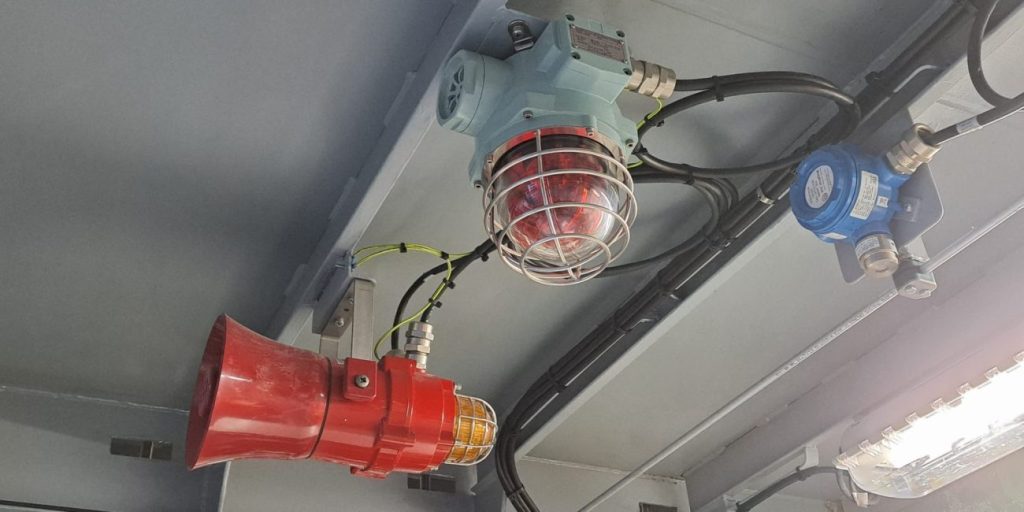
At sea, safety depends on the ability to anticipate and manage every potential risk. On board a vessel, where confined spaces, fuels, and potentially hazardous gases coexist in a constantly moving environment, gas detection is essential to protect the crew and ensure operational continuity.
The marine industry is one of the key pillars of global trade, with millions of tons of goods transported by sea each year. This industry is characterized by specific challenges, including managing risks related to the presence of potentially hazardous gases on board ships. Gas detection is a crucial component of on-board safety, protecting both the crew and the structural integrity of the ship itself.
Index
Marine: which gases are detected and why
On board ships, various types of gases can pose a threat. Among these, the most common are:
Carbon Monoxide (CO): can be generated by incomplete combustion in engines or by boilers.
Liquefied Petroleum Gas (LPG): used as fuel, it is highly flammable and can accumulate in confined spaces.
Carbon Dioxide (CO2): used in fire extinguishing systems, can be fatal in high concentrations.
Toxic and Corrosive Gases: such as chlorine or hydrogen sulfide, often found in transporting chemicals.
Gas detection technologies in the marine industry
There are various technologies used for gas detection aboard ships, each with its own caretteristics:
Hyphrared sensors: These devices work by the absorption of infrared light by gas molecules. They are particularly effective in detecting gases such as CO2 and methane.
Catalytic sensors: Used primarily for flammable gases, these sensors detect the catalytic combustion of a gas in the presence of oxygen.
Electrochemical cell sensors: These instruments are used to detect toxic gases such as CO and H2S. They work by measuring the electric current generated by a chemical reaction between the gas and an electrolyte.
Marine and gas detection: MED certification
The Marine Equipment Directive (MED, Directive 2014/90/EU) ensures that safety requirements are applied and implemented in a harmonized manner throughout the European Union.
For over 35 years, Sensitron has been developing gas detection solutions designed to ensure safety, reliability, and high performance even in the most demanding industrial environments. Founded in 1988 in the province of Milan and now part of the Halma plc group, the company combines research and development, field experience, and regulatory expertise to offer reliable technologies compliant with the highest international standards.
Sensitron systems are designed to detect flammable, toxic, refrigerant, and oxygen gases and are used in numerous sectors: industry, energy, infrastructure, healthcare, construction, and marine applications. All products are CE tested and certified and designed to ensure accurate and long-lasting performance.
Within the Sensitron metaverse it is possible to explore application realities reconstructed in virtual reality. Find out more about who we are and what we do, walk inside a production area and find out more details about the dangers associated with gas.
Contact us!
Contacts
Viale della Repubblica, 48 20007 Cornaredo (MI) – ITALY
We celebrated this achievement, with a new logo: in the handshake we see the commitment made with our customers, but also collaboration, the doing together the best we can without compromise.
Founded in 1988 in the province of Milan, Sensitron becomes part of the Halma plc group in 2021.