Marine Equipment Directive (MED) certification is a mandatory certification for equipment intended for use on board ships flying the flag of a European Union or European Economic Area (EEA) member state. This certification is required by European Directive 2014/90/EU (replacing the previous 96/98/EC) and ensures that the equipment meets international standards for safety, environmental protection and performance.
Index

Marine Equipment Directive (MED): historical background
MED certification has roots that go back to the idea of harmonizing maritime safety standards at the European level, building on established international regulations. Here are some significant historical nods:
- SOLAS Convention (1914): The push for global maritime regulations arose after the Titanic disaster (1912). The first SOLAS (Safety of Life at Sea) convention was adopted to ensure minimum safety standards for ships, including requirements for equipment on board.
- IMO (1948): The founding of the International Maritime Organization strengthened the international regulatory framework, with conventions such as SOLAS, MARPOL and COLREG establishing technical standards for safety, environmental protection and navigation.
MED: the first European directive
In the 1980s and 1990s, the EU began to recognize the need for a unified approach for marine equipment to avoid different standards being applied by each member state. This would have simplified trade and ensured high safety standards throughout Europe. In 1996, the first MED directive was introduced:
- Directive 96/98/EC: aimed to harmonize requirements for marine equipment in EU countries. It was based on IMO standards, but introduced the “Wheelmark” concept to identify compliant products.
- Adoption of the Wheelmark: The wheelmark became the distinctive mark for equipment certified for use on board ships, a symbol of compliance and quality.
Marine Equipment Directive (MED): how it is divided
MED certification is based on a classification of equipment into different categories, with the aim of covering all types of equipment used on board ships, ensuring compliance with international standards (e.g., IMO, SOLAS). It establishes both product categories and conformity assessment modules. Here is how it is structured:
- Fire and safety systems:
– Smoke and heat detectors.
– Portable and fixed fire extinguishers.
– Fire-resistant materials for ship interiors.
– Water or foam spraying systems. - Navigation and communication equipment:
– Radar and electronic plotters.
– AIS (Automatic Identification System) systems.
– VHF, EPIRB (Emergency Position Indicating Radio Beacon) and other communication devices.
– Magnetic and gyroscopic compasses. - Crew and passenger safety products:
– Life jackets and lifebuoys.
– Inflatable life rafts.
– Evacuation means and flotation devices.
Marine Equipment Directive (MED): conformity assessment
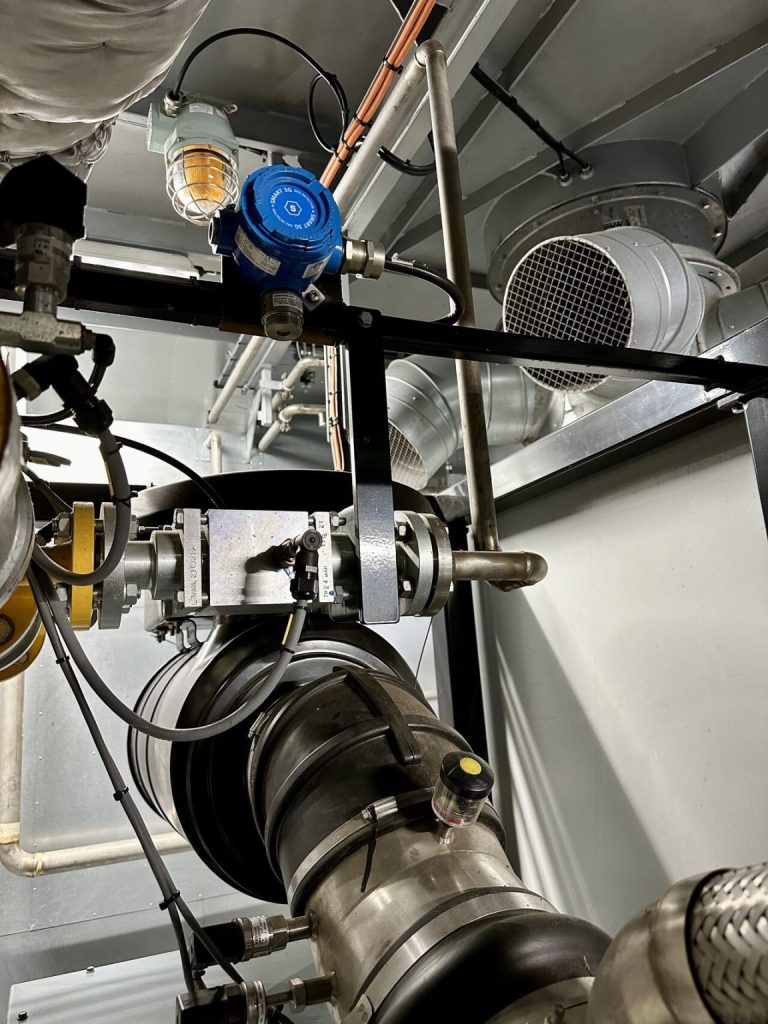
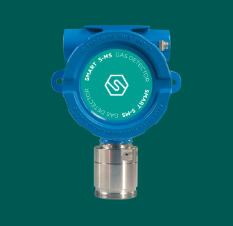
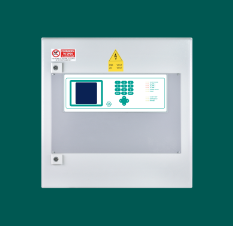
The certification process consists of standardized modules (B, D, E, F and G), which govern the conformity assessment of products at different stages of their production. Our marine gas detection systems are certified according to the MED Directive 2014/90/EU by obtaining module B (ce type examination) and module D (conformity to type based on quality assurance in the production process). The certification process involved products that were already ATEX (both constructionally and performance-wise) and SIL certified and involved performing specific EMC and vibration tests.
After Brexit, the UK did not recognize the MED mark and directive, requiring United Kingdom conformity assessment (UKCA). Sensitron has obtained UKCA Module B and is applying for Module D.
Discover our produtcs MED certified
Sensitron gas detectors are suitable for use in any application:
Rely on Sensitron's expertise
For over 35 years, Sensitron has been developing gas detection solutions designed to ensure safety, reliability, and high performance even in the most demanding industrial environments. Founded in 1988 in the province of Milan and now part of the Halma plc group, the company combines research and development, field experience, and regulatory expertise to offer reliable technologies compliant with the highest international standards.
Sensitron systems are designed to detect flammable, toxic, refrigerant, and oxygen gases and are used in numerous sectors: industry, energy, infrastructure, healthcare, construction, and marine applications. All products are CE tested and certified and designed to ensure accurate and long-lasting performance.