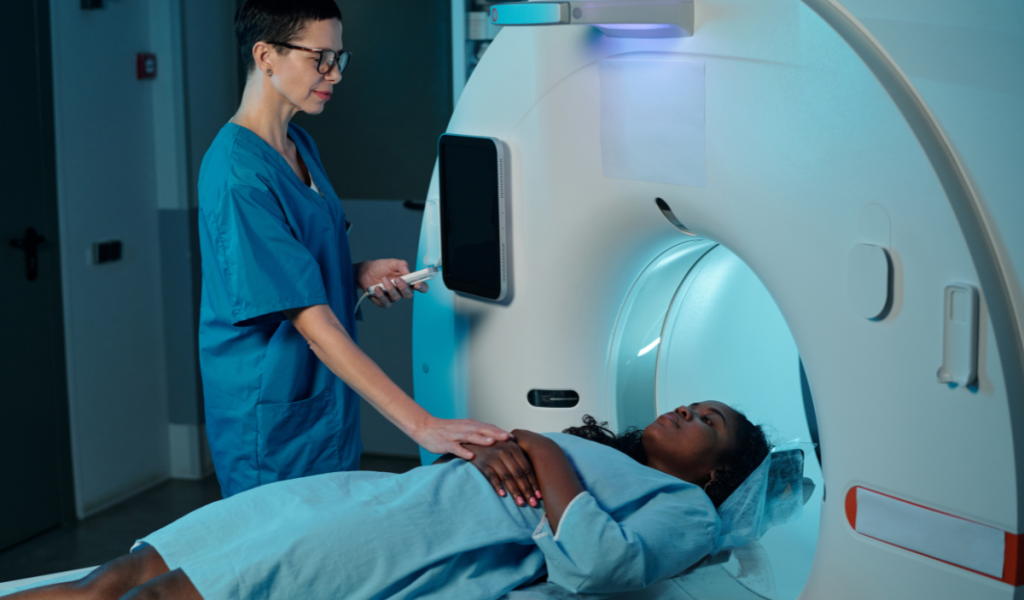
Magnetic resonance imaging (MRI) is one of the most advanced and crucial medical technologies for diagnostics. However, its use requires strict adherence to safety protocols, as the extremely powerful magnetic field and the presence of ferromagnetic materials can pose a risk to patients and healthcare workers. One of the key safety aspects of MRI environments is the detection of oxygen, an essential element in ensuring optimal conditions and preventing dangerous situations.
Indice
Oxygen detection: what are the risks
Within environments made to house MRI equipment, there are several gas hazards that can occur, let’s look at them together:
- Hypoxia hazard in enclosed areas: MRI rooms are often sealed environments to avoid acoustic and magnetic contamination. Under such conditions, a cryogenic gas leak (used to cool magnets) could displace the oxygen present, causing a hypoxia risk to those present. Early detection of a drop in oxygen concentration is therefore crucial to avoid potentially fatal situations.
- Prevention of fire hazards: Oxygen, when present in high concentrations, can increase the likelihood and severity of fires. This is particularly relevant in MRI rooms where high-powered electrical equipment is used
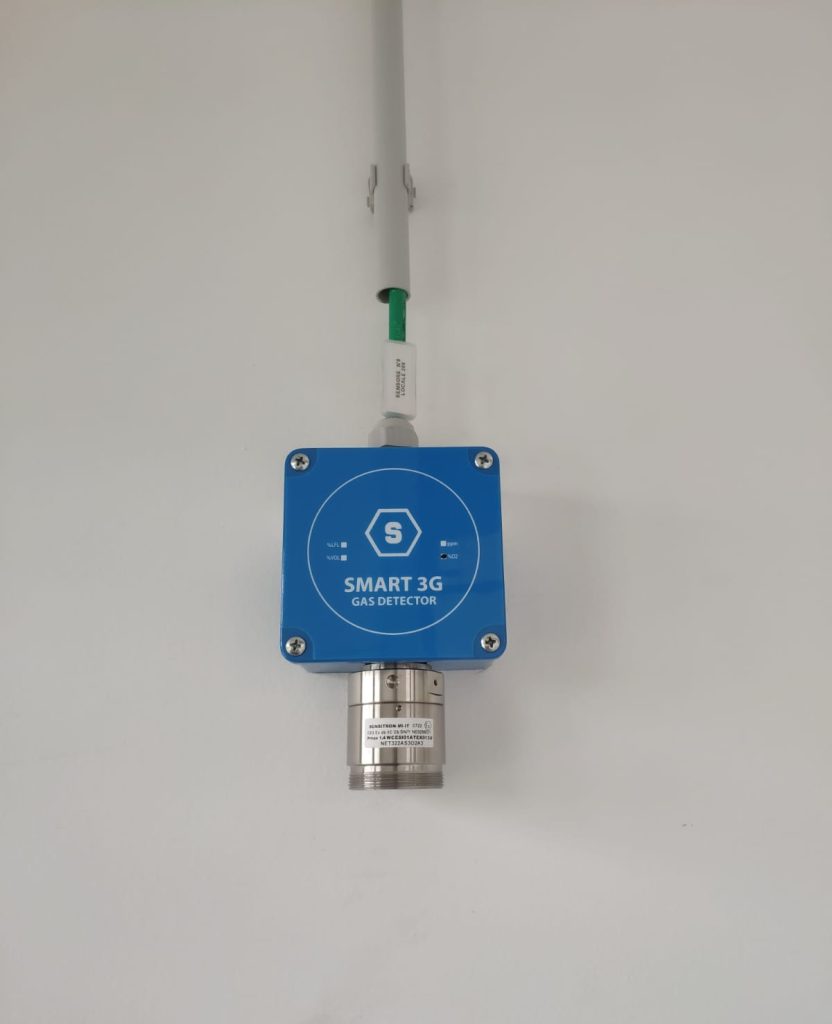
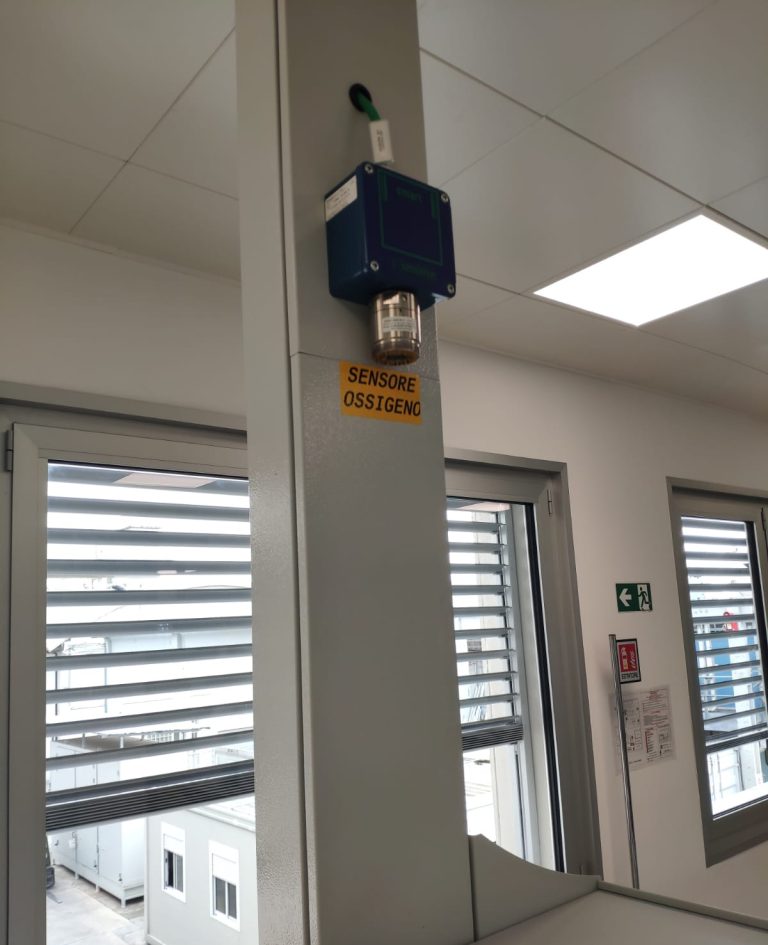
Oxygen detection in MRI: what technology is used
Installed inside MRI rooms, oxygen gas detectors take advantage of sensors with an electrochemical cell, measuring the current generated by a chemical reaction between oxygen and an electrolyte inside the sensor. Among the various advantages are:
- High accuracy and sensitivity.
- Compact size, ideal for confined environments.
Oxygen detection in MRI: why it is important
Oxygen detection in MRI environments is essential to ensure the safety of patients and operators, as well as preserving the integrity of the clinical environment. MRI rooms, being enclosed and highly controlled spaces, can be subject to changes in oxygen concentration due to leaks of cryogenic gases, which are used to cool the magnets. Some of the most important aspects are:
- Staff and patient safety: oxygen detection ensures that levels remain adequate, preventing hypoxia or exposure to hazardous conditions, such as decreased oxygen due to cryogenic gas leakage.
- Fire and explosion prevention: oxygen monitoring helps keep concentrations under control, avoiding hyperoxic environments that could amplify risks from sparks or electrical equipment. hazardous on a global scale.
- Safe and uninterrupted MRI operation: ensuring optimal environmental conditions is critical to avoid technical failures or interruptions due to emergencies, thereby protecting patients, staff and expensive medical equipment.
Discover our produtcs
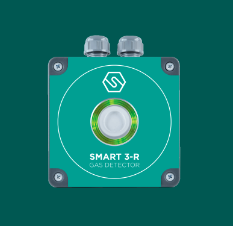
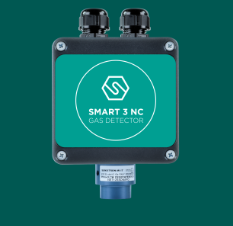
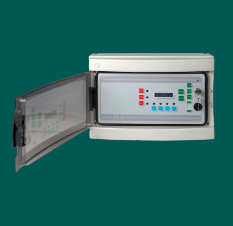
Sensitron gas detectors are suitable for use in any application:
Rely on Sensitron's expertise
For over 35 years, Sensitron has been developing gas detection solutions designed to ensure safety, reliability, and high performance even in the most demanding industrial environments. Founded in 1988 in the province of Milan and now part of the Halma plc group, the company combines research and development, field experience, and regulatory expertise to offer reliable technologies compliant with the highest international standards.
Sensitron systems are designed to detect flammable, toxic, refrigerant, and oxygen gases and are used in numerous sectors: industry, energy, infrastructure, healthcare, construction, and marine applications. All products are CE tested and certified and designed to ensure accurate and long-lasting performance.