In the paper industry, gas detection is critical to ensure the safety of workers and the environment, as some hazardous gases may be present during various stages of the papermaking process, such as manufacturing, chemical treatment and by-product management.
Index
Paper industry: what are the most common gases
Some of the most important and common gases to monitor in the paper industry are:
- Chlorine (Cl₂): Used to bleach paper, it is extremely toxic and can cause serious health damage. Detection is crucial especially in storage and chemical processing areas.
- Sulfur dioxide (SO₂): Released during some combustion and chemical treatment processes, it is irritating to the eyes and respiratory tract.
- Hydrogen sulfide (H₂S): Produced in the decomposition of organic material in anaerobic environments, it can be lethal in high concentrations.
- Methane (CH₄): Can accumulate in waste treatment areas or landfills associated with the disposal of waste from the production process.
Solvent vapors: Often used in some chemical treatments or in the production of coated paper, these vapors can be flammable and require constant monitoring. - Oxygen (O₂): It is important to monitor both excess and deficient oxygen, as levels that are too low can create an atmosphere hazardous to breathing, while levels that are too high can increase the risk of fire in the presence of combustible materials.
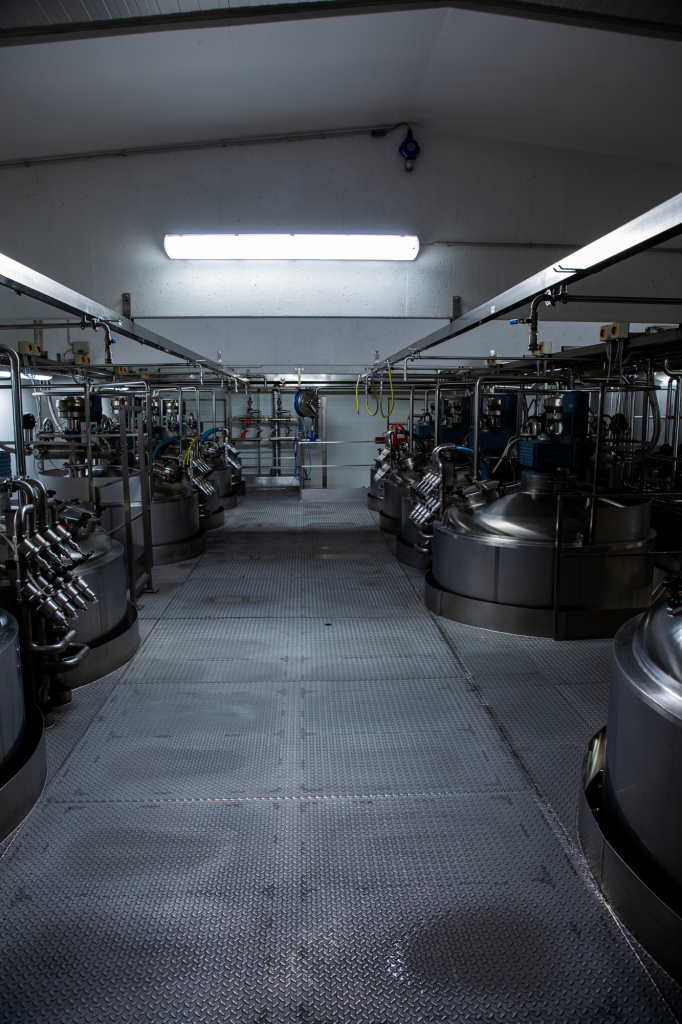
Technologies for gas detection in the paper industry
Within the paper industry, stationary gas detection systems constantly monitor the environment and report any leaks or hazardous gas concentrations in real time. The main technologies used are:
- Infrared sensors: Used to detect flammable gases. Infrared sensors are particularly suitable for environments with high gas concentrations.
- Electrochemical sensors: Used mainly to detect toxic gases such as carbon monoxide and sulfur dioxide, they are accurate and very sensitive sensors.
- Catalytic sensors: By burning a small amount of gas on a catalyst, they convert the temperature rise into an electrical signal proportional to the gas concentration.
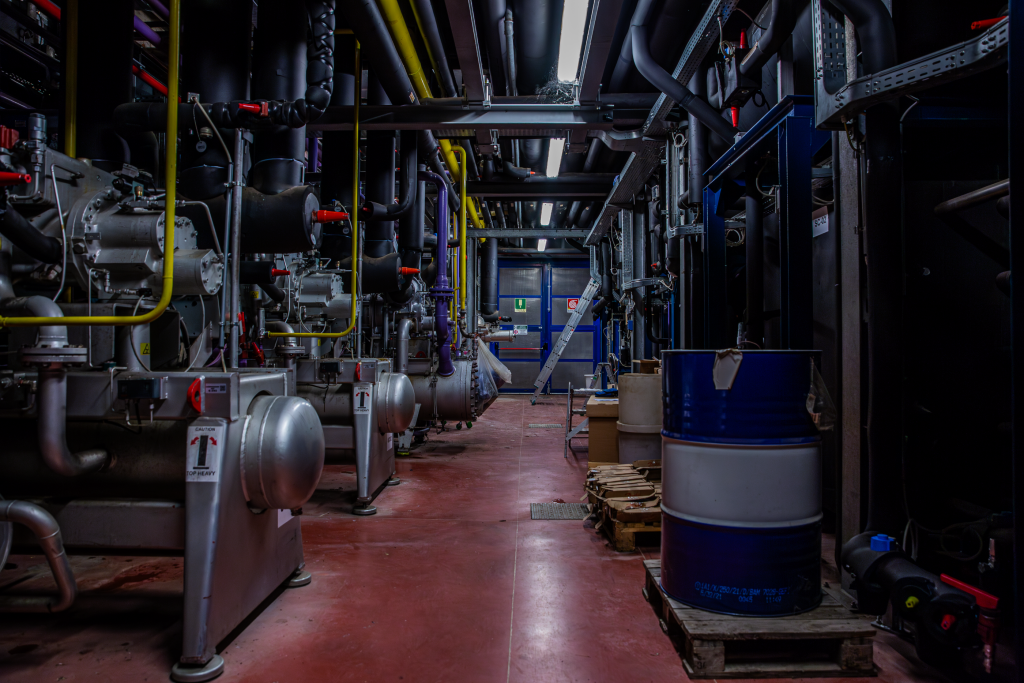
Paper industry: where gas detection is important
In the paper industry, various production processes involve the use or generation of potentially hazardous gases, including:
- Pulping: A process in which fibers are prepared, in which wood or other fibrous materials are converted into a pulp of cellulose fibers for papermaking. This process can be mechanical, chemical, or a combination of both.
- Bleaching: A bleaching process in which the natural color of the pulp is removed to produce a lighter paper product; this process often employs harsh chemicals.
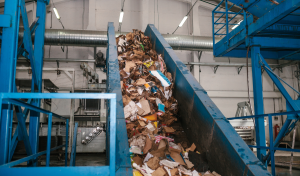
- Recycled paper production: In the process of recycling paper, the material is broken down into fibers for later reprocessing. This process can generate gases due to the degradation of used paper and chemical treatment.
Discover our produtcs
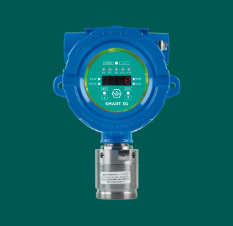
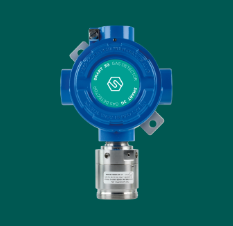
Sensitron gas detectors are suitable for use in any application:

Rely on Sensitron's expertise
For over 35 years, Sensitron has been developing gas detection solutions designed to ensure safety, reliability, and high performance even in the most demanding industrial environments. Founded in 1988 in the province of Milan and now part of the Halma plc group, the company combines research and development, field experience, and regulatory expertise to offer reliable technologies compliant with the highest international standards.
Sensitron systems are designed to detect flammable, toxic, refrigerant, and oxygen gases and are used in numerous sectors: industry, energy, infrastructure, healthcare, construction, and marine applications. All products are CE tested and certified and designed to ensure accurate and long-lasting performance.